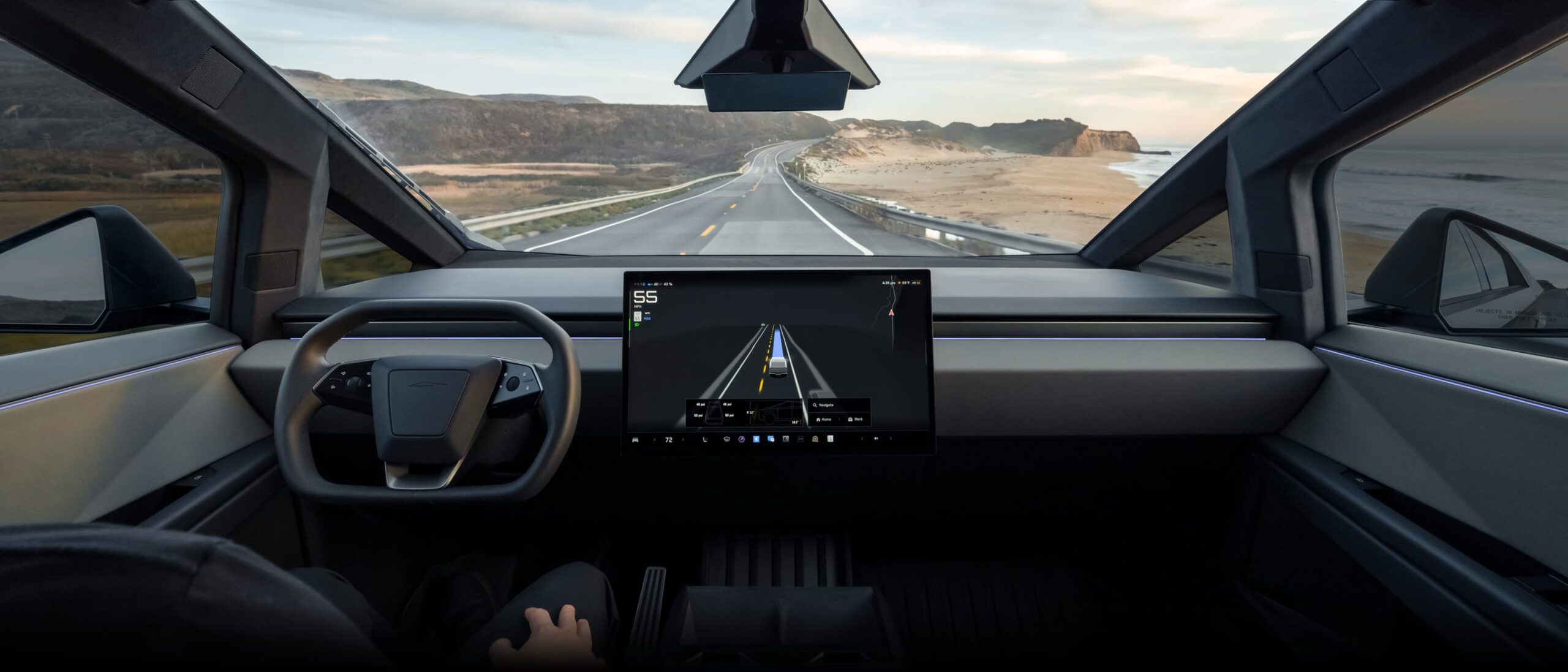
Tesla’s Full Self-Driving just moved one step closer to a potentially massive recall. The National Highway Traffic Safety Administration escalated its investigation to an engineering analysis—the final phase before ordering a recall—after discovering FSD’s “degradation detection” system consistently fails during poor visibility. The $8,000 investment in semi-autonomous driving might soon require another software patch, assuming Tesla can actually fix the underlying problem this time.
The probe centers on crashes where FSD provided zero warning until seconds before impact. Glare from the sun, fog rolling in, or dust kicked up by other vehicles essentially blind Tesla’s camera-only system, yet the software continues operating as if visibility remains crystal clear.
Pattern Recognition: Tesla’s Recall Déjà Vu
Multiple NHTSA investigations have already forced Tesla to recall over 2 million vehicles via software updates.
This isn’t Tesla’s first encounter with federal safety probes. The company recalled 362,758 vehicles in 2023 after FSD Beta started treating red lights like suggestions and speed limits like mild recommendations. Another recall hit over 2 million vehicles for Autopilot misuse vulnerabilities. Each time, Tesla pushed out over-the-air updates and called it solved.
Yet crashes keep happening. A separate 2025 NHTSA probe found FSD racked up more than 50 traffic violations, including wrong-lane entries and turn-lane straight-throughs that would embarrass a teenage driver. Consumer Reports called previous fixes “insufficient,” while senators blasted Tesla for “overstating capabilities.”
The pattern feels like watching the same Netflix series on repeat, except people actually get hurt.
What This Means for Your Tesla
Current FSD owners face uncertainty while Musk’s robotaxi timeline takes another hit.
If you’ve already dropped eight grand on FSD, you’re essentially beta-testing software that federal regulators consider potentially dangerous. Tesla will likely push another free update through their official support system, but the broader question remains: can camera-only vision systems handle the complexity they’ve promised?
This investigation threatens Musk’s aggressive push toward unsupervised self-driving and robotaxi services. Each regulatory setback erodes public trust in autonomous driving technology, potentially setting back the entire industry’s timeline by years rather than months.