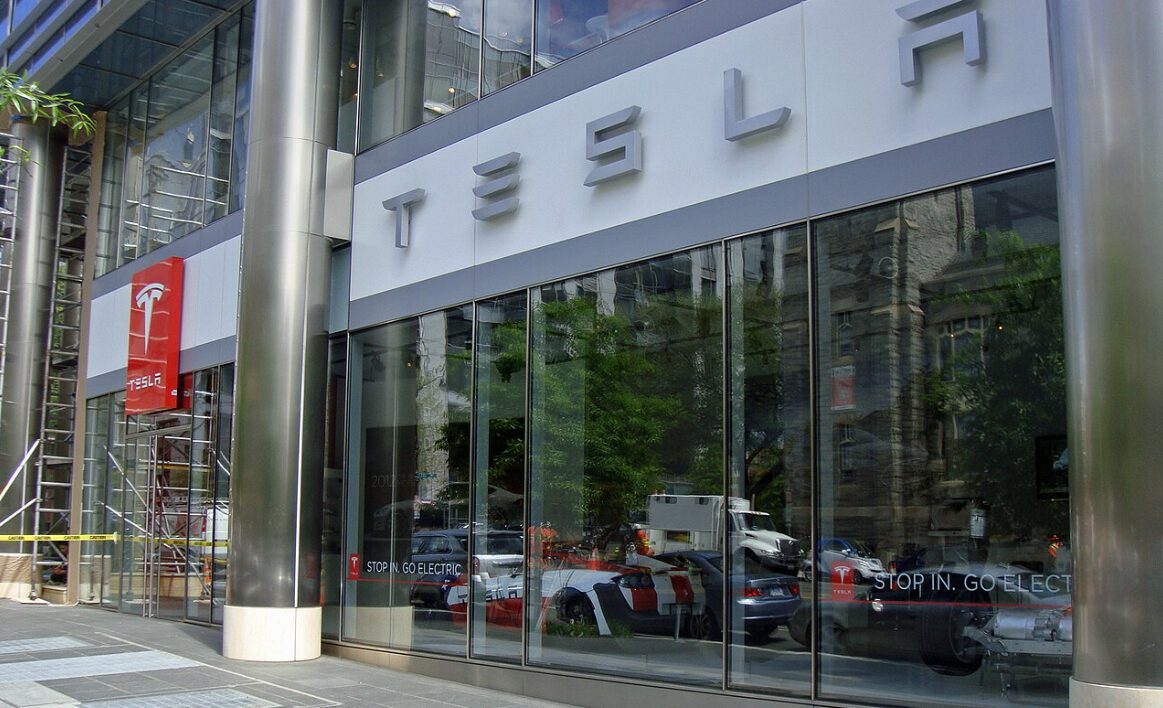
Tesla’s exclusive direct-sales advantage in Washington is ending this summer, with Rivian and Lucid finally getting permission to complete transactions in their own showrooms.
Political Chess Moves Force Dealer Compromise
Rivian’s $4.6 million pledge to a direct-sales ballot initiative pushed dealers into damage control mode.
Senate Bill 6354 emerged from backroom negotiations after Rivian threatened to bypass the legislature entirely. The company’s willingness to fund a 2026 ballot initiative for broader direct sales reform spooked the Washington State Auto Dealers Association into accepting a narrow compromise. Better to control the scope than face voters directly, dealers reasoned.
The bill sailed through the Senate 47-2 and House 84-9, now awaiting Governor Bob Ferguson’s signature by April 4.
No More Oregon Road Trips for Washington EV Buyers
Starting summer 2026, you can actually buy that Rivian you test-drove in Seattle instead of completing the purchase online.
The current setup borders on absurd. You visit Rivian’s Bellevue showroom, sit in the truck, ask questions, then go home to order online or drive to Oregon to finalize the sale. Washington loses the sales tax revenue while you deal with registration headaches.
Once SB 6354 takes effect roughly 90 days after signing, qualifying manufacturers can complete transactions where customers actually see the vehicles.
Strict Rules Keep the Club Exclusive
The requirements effectively limit direct sales to Tesla, Rivian, and Lucid while blocking legacy brands and foreign competitors.
Don’t expect Ford’s Lightning or BMW’s iX to join the direct-sales party. The bill requires:
- U.S.-based manufacturers producing exclusively battery-electric vehicles
- No franchise dealership history
- At least 300 vehicles registered in Washington by January 1, 2026
This surgical precision excludes legacy automakers pursuing EV subsidiaries and foreign brands entirely—much to the Alliance for Automotive Innovation’s frustration, calling the law “anti-competitive.”
National Implications Beyond Washington
Fourteen states maintain similar dealer protection laws, creating opportunities for copycat campaigns.
This legislative strategy—threaten a ballot initiative, negotiate a compromise—could reshape EV access nationwide. States pursuing 2035 zero-emission mandates need every advantage to boost adoption rates, especially with federal support potentially shifting.
Climate Solutions’ Leah Missik calls it “a big step forward in making EVs more accessible,” while dealers achieved their goal of preventing broader reform. Whether other EV startups possess Rivian’s political resources and determination remains the key variable for replicating this success elsewhere.