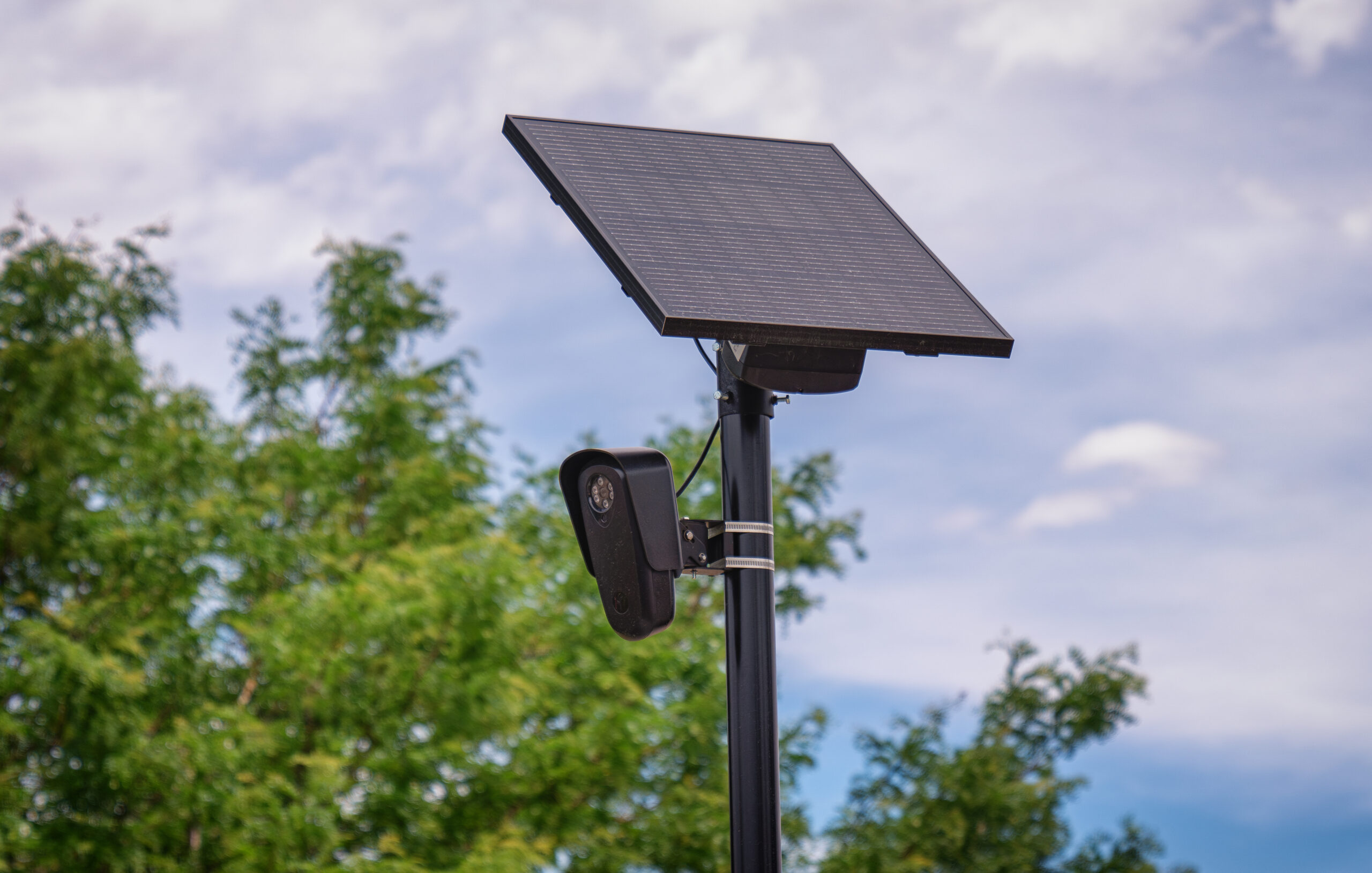
Brandon Upchurch was just driving his red Dodge Ram through Toledo when an AI camera changed his life forever. The Flock Safety surveillance system misread a “7” as a “2” on his license plate, triggering a stolen vehicle alert that ended with a police K-9 tearing into his arm and dreadlocks. What should have been a routine April 2024 drive became a nightmare of drawn guns, dog bites, hospital visits, and jail time—all because a computer couldn’t tell the difference between two numbers.
The Misread Epidemic Spreading Nationwide
Flock’s AI cameras are confusing similar-looking characters across the country, turning innocent drivers into criminal suspects.
These aren’t isolated glitches. In Morristown, Tennessee, JC and Carolyn Herron faced guns drawn during a traffic stop with their 3-year-old granddaughter because “LOVEY” became “L0VEY” in the system. Jason Burkleo got the same treatment in California when an “H” morphed into an “M.”
Jaclynn Gonzales and her sister were handcuffed in New Mexico over another 2-versus-7 confusion. The pattern is clear: Flock’s automated license plate readers struggle with basic character recognition, yet police departments nationwide treat their alerts as gospel truth without verification.
The Billion-Dollar Surveillance Machine
Despite accuracy problems, Flock Safety has built a $7.5 billion empire selling AI surveillance to 5,000+ law enforcement agencies.
Flock claims “high 90s” accuracy for plate recognition but won’t publish specific error rates, citing variables like lighting and plate design. A 2021 IPVM test found roughly 10% state misreads—unacceptably high when you’re dealing with armed police responses.
The Atlanta-based company has grown from $7 million to around $500 million in annual revenue, backed by Silicon Valley heavy hitters like Andreessen Horowitz. Their cameras now dot thousands of communities, creating a nationwide surveillance network that shares data instantly. When the system works, it catches killers. When it fails, innocent people pay the price.
The Human Cost of Tech Failures
Upchurch’s case shows how a single AI error can destroy someone’s life, even after the truth comes out.
A federal judge called it “Flock Flocked up” when approving Upchurch’s $35,000 settlement in October 2025. The money couldn’t undo the damage: lost lawn care and forklift jobs, selling his truck, eviction, rehoming his dogs due to trauma.
Similar settlements followed nationwide—$45,000 in California, undisclosed amounts elsewhere. Senator Ron Wyden is demanding an FTC probe, while experts warn about “information overload” turning police work into a slot machine of false alerts. The real fix isn’t better algorithms—it’s requiring human verification before acting on any AI alert, especially when guns and dogs are involved.
Upchurch’s ordeal proves that in the age of smart surveillance, the dumbest mistakes carry the highest costs.