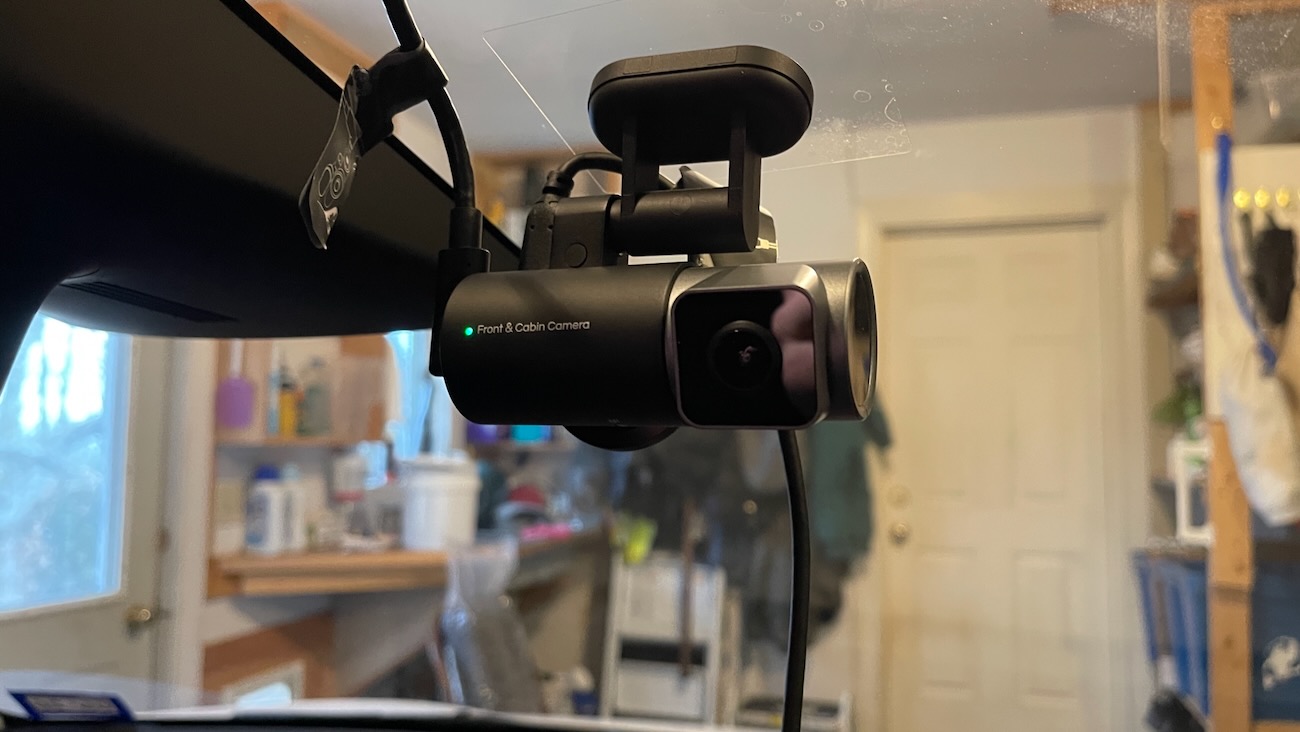
That sudden brake you hit to avoid a jaywalker? Your car just logged it as “hard braking event.” The quick acceleration to merge safely onto a busy highway? Algorithm says “aggressive throttle input.” Your connected vehicle is creating a behavioral profile that insurers review alongside—or instead of—your clean driving record.
These telematics systems collect kinematic data including:
- Throttle pressure
- Braking force
- Speed fluctuations
This data generates driving scores. Unlike traditional insurance calculations based on accidents and violations, this real-time monitoring judges every mile you drive. The problem? Context doesn’t exist in these algorithms.
The Players Profiting from Your Privacy
Data aggregators like Verisk and score providers like Arity turn your driving habits into risk assessments that insurers purchase.
Your behavioral data flows through a network of companies you’ve probably never heard of. Verisk aggregates driving information for insurers, while Arity (owned by Allstate) generates driving scores that influence premium calculations.
Usage-based insurance programs promise discounts for safe drivers, but the definition of “safe” gets murky when algorithms flag defensive driving as risky behavior. A 2024 Bankrate study found insurers increasingly integrate telematics data with traditional Motor Vehicle Reports, shifting from violation-based pricing to continuous behavioral monitoring. This creates a surveillance economy where your car becomes a data collection device first, transportation second.
The Reality Behind “Personalized” Rates
Research reveals no evidence of universal risk scoring systems, but state programs show how behavioral data supplements traditional violation tracking.
Despite industry marketing around personalized premiums, no verified universal “Driving Aggression Index” exists purely from vehicle telemetry. State systems like Massachusetts SDIP still primarily use points for actual violations and accidents—2 to 5 points per incident, with credits for clean records up to 99 Excellent Driver status.
However, the UBI market is projected to grow 25% annually, pressuring drivers to share behavioral data for discounts while potentially raising premiums for those who opt out or display “volatile” profiles. Real-world impact? Premiums can vary by hundreds of dollars based on telematics scoring, even for drivers with identical violation histories.
Taking Back Control of Your Data
Opt-out options exist at vehicle setup and through app settings, though manufacturers don’t advertise these privacy controls.
You can decline connected services during initial vehicle setup or disable data sharing through infotainment system settings. Check your automaker’s app for privacy controls—they’re buried but accessible.
However, avoid DIY solutions like disconnecting telematics modules, which may void warranties and disable safety features. The surveillance capitalism playbook that transformed social media is now targeting your commute. Your move.