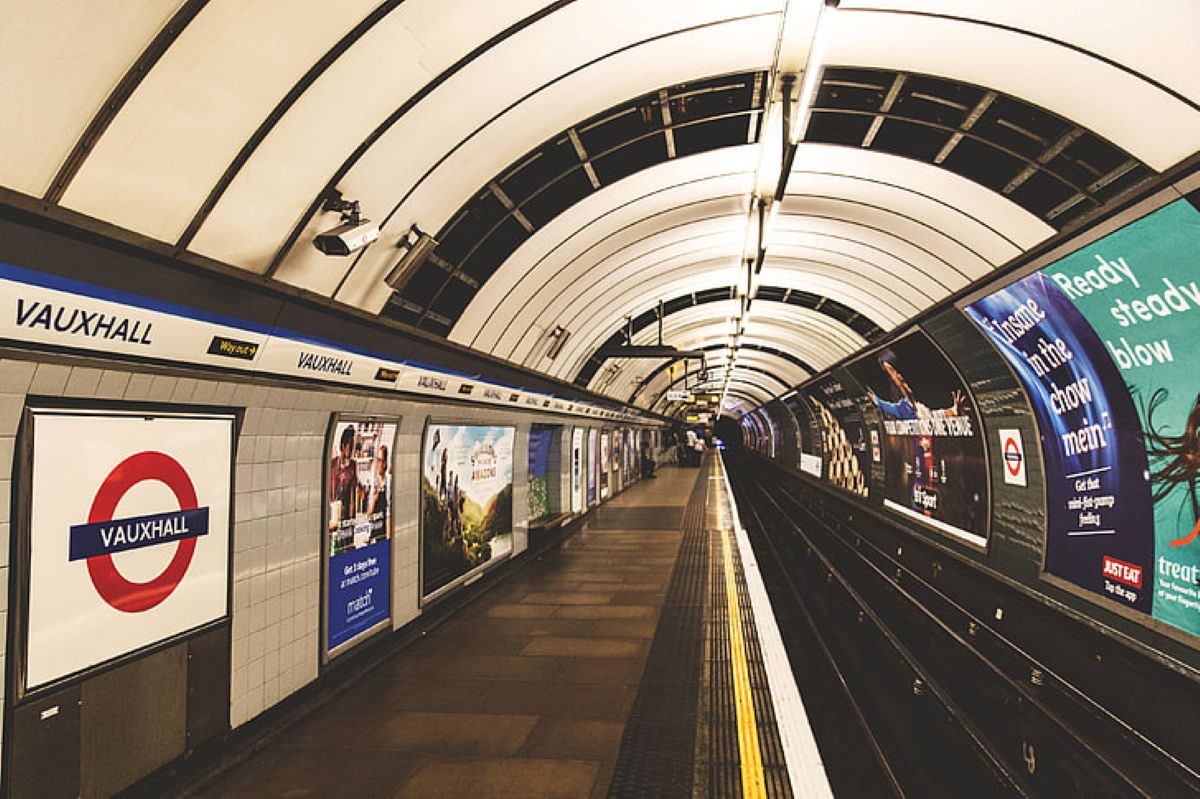
Your sweaty subway nightmare just got scientific backing. Northwestern University researchers analyzed over 85,000 heat-related social media complaints from 2008 to 2024, turning passenger rants into hard data. The results? London’s Underground complaints spike 27% for every degree Celsius of outdoor temperature increase, while New York’s subway sees a 12% bump and Boston hits 10%. For those facing extreme heat at home, a portable air conditioner offers relief when traditional cooling fails.
This isn’t just whining—it’s quantified public health data. “Extreme heat causes more deaths per year than all other natural hazards combined,” says Northwestern’s Giorgia Chinazzo, who led the study published in Nature Cities. When London’s platforms reach 116°F—hotter than the city’s highest recorded surface temperature—commuter complaints become a measurable crisis.
Your Train’s Braking System Is Cooking You Alive
Half of subway heat comes from one overlooked source that older systems can’t handle.
Here’s what’s actually roasting you underground: train braking generates over 50% of station heat, with another 21% from train movement and 15% from motors. Human bodies? Just 2%. Those century-old ventilation systems were designed when stations ran cold, not when electric trains would pump thermal energy into sealed underground spaces.
The soil and rock surrounding stations trap this heat instead of releasing it. Victorian-era tunnels now function as thermal storage units, accumulating decades of operational heat that won’t dissipate.
London Fights Back While NYC Sticks to Schedule
One city spends millions on cooling infrastructure; the other relies on running trains on time.
London launched “Cooling the Tube” a decade ago, doubling fan capacity since 2012 and installing chiller units across the network. At Green Park station, they drill into underground water supplies, pump it through cooling units, and blast chilled air onto platforms. Their 192 air-conditioned trains now serve 40% of the network, including the Victoria line’s 200 million annual passengers. Meanwhile, energy-efficient smart home gadgets help surface dwellers reduce cooling costs.
New York’s approach differs dramatically. MTA focuses on “reducing the time passengers spend waiting on platforms by decreasing delays,” according to spokesperson Shams Tarek. Only newer stations like 34th Street-Hudson Yards feature “air tempering” that keeps platforms 10°F cooler—a fraction of the system’s 470 stations.
Climate Reality Compounds Underground
New York faces 4-6°F temperature increases by the 2050s, meaning those 12% complaint spikes will compound dramatically. Northwestern’s Alessandro Rotta Loria suggests targeted cooling during peak hours could reduce both energy costs and passenger misery: “We could enhance cooling during specific times when we know people are uncomfortable.” For those considering alternative energy solutions, modern EVs can power your home during outages or peak demand periods.
Your underground commute is about to get much worse unless transit authorities beyond London start addressing the thermal crisis seriously.