You can imagine discovering your parked EV spent the night powering your neighbor’s air conditioning. Vehicle-to-Grid technology turns your car into a utility company asset, quietly draining your battery to stabilize the electrical grid. The catch? You’re footing the bill for accelerated battery wear that could cost $15,000 to fix.
When Your Car Becomes a Power Plant
Utilities can remotely tap your EV’s battery during peak demand, even while you sleep.
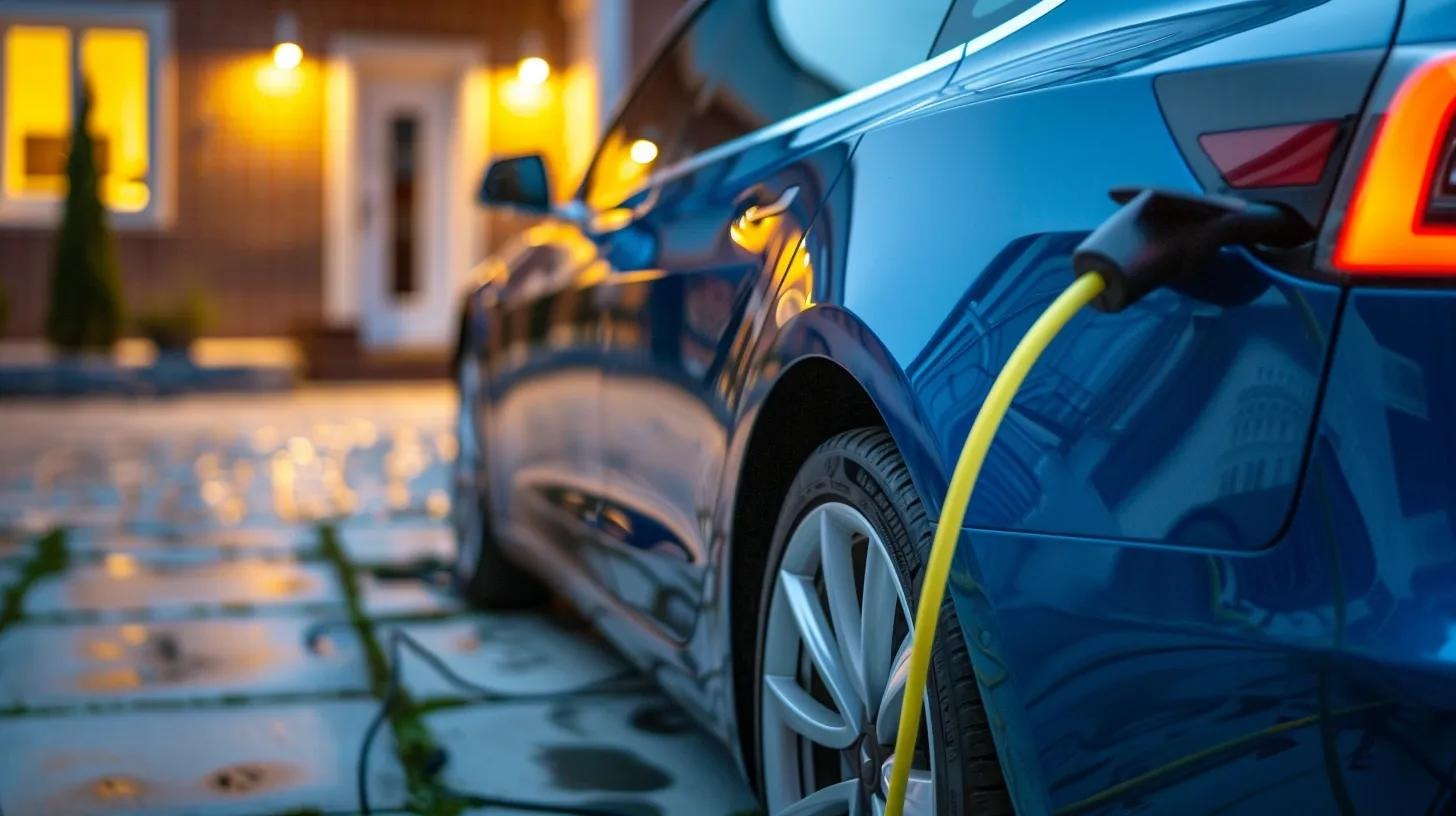
Here’s how the magic trick works. You plug in your EV expecting it to charge overnight using cheap electricity. Instead, utilities flip the script during peak demand—like California’s brutal 2023 heatwave—and your car starts feeding power back to the grid.
Smart software lets you set minimum battery levels (typically 70-90% for your morning commute), but once plugged in, grid operators call the shots. Your Tesla becomes a power plant, whether you explicitly agreed or not.
The $15K Question Nobody’s Asking
Every discharge cycle wears down your battery, but who pays for the replacement?
Battery degradation isn’t theoretical—it’s physics. Each time utilities drain your EV to power the grid, they’re borrowing against your battery’s lifespan. Replacement costs hover between $10,000-$15,000.
Yet pilot programs in Utrecht and PG&E’s partnership with Ford often bury consent in charger app terms rather than requiring explicit opt-in agreements. You’re essentially cosigning a loan you didn’t know you were taking out.
The Utility Company’s Sweet Deal
Grid operators save millions while individual owners absorb the wear costs.
“EV owners can generate revenue from their exported electricity,” claims Elektrobit, painting V2G as a win-win scenario. Meanwhile, UK’s National Grid reportedly avoids millions in standby costs by tapping into EVs instead of firing up expensive backup generators.
The math seems suspicious: utilities save millions collectively while individual owners collect modest credits that rarely offset battery degradation. “Utilities can switch an EV car battery… avoiding blackouts,” notes Just Energy, but they’re conveniently silent about who replaces worn-out batteries.
What’s Coming Down the Pike
By 2030, 200 million EVs could form one massive “virtual battery”—with your consent optional.
Current V2G remains mostly experimental, but projections suggest 200 million EVs could form a planet-sized battery bank by 2030. Before signing any charging agreements, scrutinize the fine print for discharge permissions.
Look for transparent compensation models that account for battery wear, not just energy credits. The promise of turning your electric vehicle into a passive income stream sounds appealing until you realize you’re essentially running a small power company—with all the maintenance costs that entail.
Your car used to be private property. Now it’s the infrastructure that happens to drive you places.