This article is for informational purposes only and is not a substitute for medical advice. Consult a healthcare provider before starting any new supplement. Kiva Dream Team products contain THC and are intended for adults 21 and older. Available only where adult-use cannabis is legal.
Melatonin is everywhere. It’s on gas station shelves, in gummy form for kids, and treated like a harmless sleep fix. But a 2023 study published by the American Medical Association found that 88% of over-the-counter melatonin gummies were inaccurately labeled, with actual melatonin content ranging from 74% to 347% of what’s printed on the bottle. A 2025 preliminary study out of a review of 130,000 health records found that long-term users had a 90% higher risk of heart failure over five years compared to non-users — a finding serious enough to draw attention from the American Heart Association.
The research is still evolving, but the signal is clear: melatonin isn’t as clean a solution as most people think. The good news is that several natural alternatives have real science behind them. Here are seven worth knowing about.
Use code GADGETSLEEP20 to get 20% off Camino Midnight Blueberry ‘Sleep’ and Blackberry Dream ‘Deep Sleep’. Code valid one-time only; cannot be combined with any other offer. Good through 3/31/26.
1. THC + CBN Gummies (Kiva Dream Team)
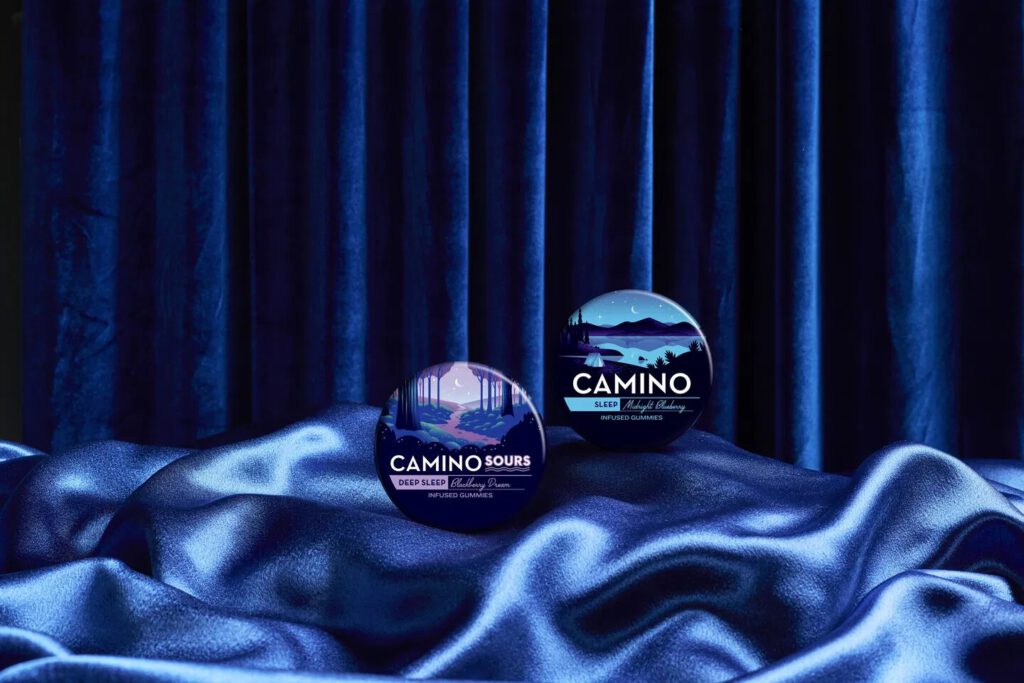
If you’re 21 or older and live somewhere with legal adult-use cannabis, Kiva’s Dream Team gummies are one of the more well-formulated options on the market.
The line has two products built around the THC + CBN combination. The Midnight Blueberry Sleep gummies deliver 5mg THC and 1mg CBN alongside chamomile and lavender. The Blackberry Dream Deep Sleep gummies step it up to 10mg THC, 10mg CBN, and 10mg CBD — designed for people who have trouble staying asleep, not just falling asleep.
CBN is where the science gets interesting. A 2024 study published in Neuropsychopharmacology by researchers at the University of Sydney found that CBN increased both NREM and REM sleep in rats, with effects on deep sleep comparable to the prescription sleep drug zolpidem. A human clinical trial published in the Journal of Sleep Research in early 2026 added supporting evidence: the 300mg CBN dose significantly increased NREM stage 2 sleep, improved subjective sleep quality, and shortened time to fall asleep in adults with diagnosed insomnia disorder.
Both Kiva formulas are also terpene-infused — Myrcene, Linalool, and Beta-Caryophyllene — compounds associated with calming and sedative effects. The goal isn’t just to knock you out. It’s to help you stay asleep and wake up without a fog.
Must be 21+ to purchase. Available where adult-use cannabis products are sold legally.
2. Magnesium Glycinate
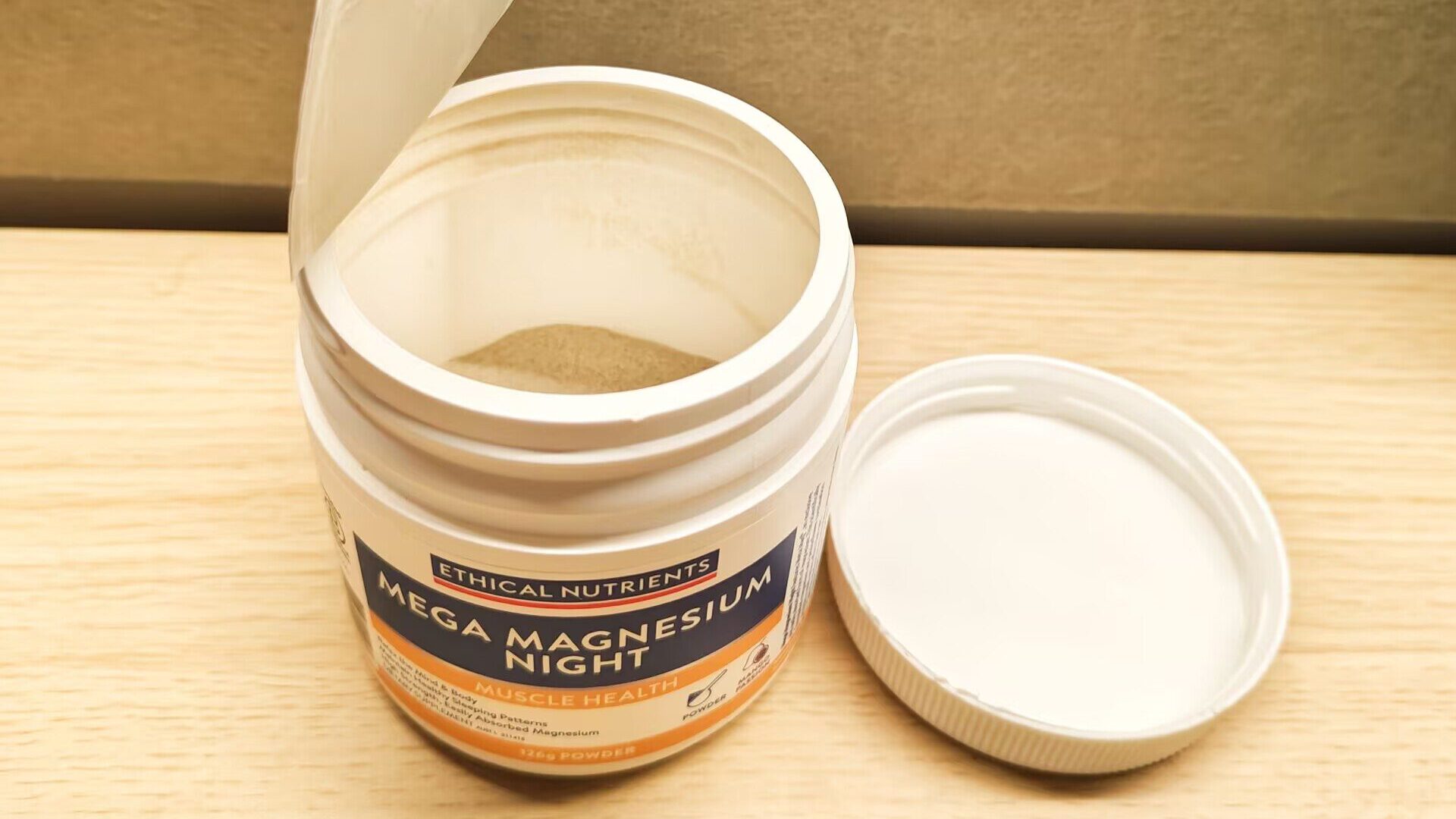
Magnesium is one of the most studied and consistently supported sleep supplements available. A meta-analysis published in BMC Complementary Medicine and Therapies found that magnesium supplementation reduced sleep onset latency by about 17 minutes compared to placebo. A 2025 randomized controlled trial involving 155 adults with poor sleep quality found that magnesium bisglycinate produced a significantly greater reduction in Insomnia Severity Index scores than placebo, with most improvements showing up within the first two weeks.
The glycinate form matters. It combines magnesium with the amino acid glycine, which independently lowers core body temperature and promotes deeper sleep. Together, they hit two separate pathways — calming the nervous system via GABA receptor activity while also physically cooling the body toward sleep.
A typical dose is 200–400mg taken 30–60 minutes before bed. It’s widely available, inexpensive, and has a clean safety profile. For anyone who wakes up tense or grinds their teeth at night, it’s often one of the first things worth trying.
If you’re layering supplements, magnesium pairs well with something like Kiva’s Midnight Blueberry — the magnesium sets the physiological groundwork, the CBN and THC handle the architecture.
3. Valerian Root

Valerian has been used as a sleep and anxiety remedy for centuries, and it has more clinical backing than most herbal options. It works by increasing GABA activity in the brain — the same calming neurotransmitter that prescription sleep medications target, just with a much lighter touch.
A review published in the American Journal of Medicine analyzed 16 studies and found that valerian improved sleep quality without causing side effects in most participants. Effects tend to build over one to two weeks of regular use rather than hitting hard the first night.
Standard dosing runs from 300–600mg taken 30 minutes to two hours before bed. It has a distinctive earthy smell (some find it off-putting), but capsule form eliminates that problem. It’s non-habit-forming and doesn’t cause the morning grogginess associated with most OTC sleep aids.
4. L-Theanine
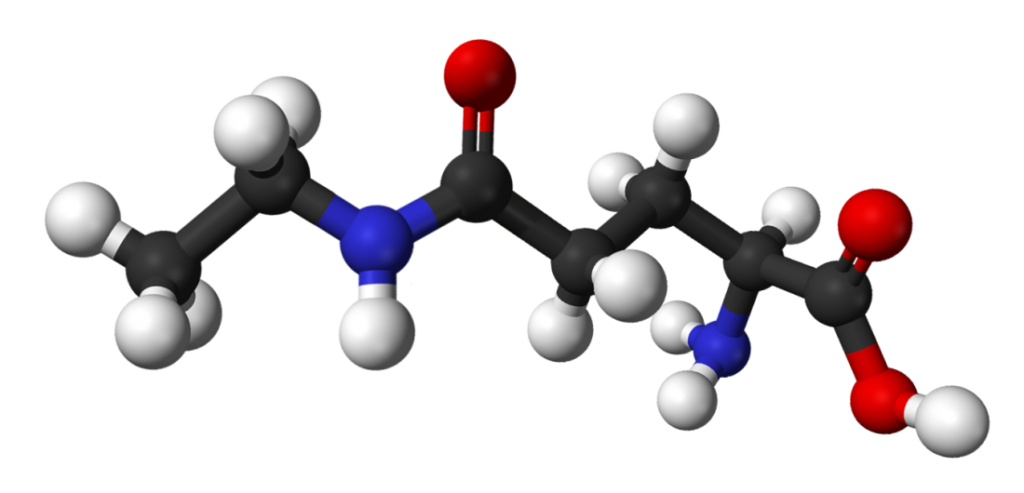
L-theanine is an amino acid found naturally in green tea. It promotes relaxation without sedation — meaning it takes the edge off without making you drowsy during the day.
A study published in Nutrients found that 200mg of L-theanine taken before bed improved sleep quality, sleep efficiency, and morning alertness in adults with sleep issues. It works by boosting alpha brain wave activity, the same mental state associated with calm focus. It also lowers resting heart rate and reduces the physiological stress response.
It’s particularly useful for people whose problem is a racing mind rather than physical fatigue. If you’re lying awake running through tomorrow’s to-do list, theanine addresses the root of that better than most supplements.
For better results, some people stack it with magnesium or pair the wind-down window with a Kiva Midnight Blueberry gummy — the theanine quiets the mental noise while the THC and CBN do the heavier lifting on sleep architecture.
5. Ashwagandha

Ashwagandha is an adaptogen that helps the body regulate its stress response over time. It doesn’t sedate you. It lowers the cortisol baseline that keeps a lot of people wired at night.
A double-blind, placebo-controlled study published in PLOS ONE found that 600mg of ashwagandha extract daily for 8 weeks significantly improved sleep quality, morning alertness, and mental acuity in adults with insomnia. The effect was particularly strong in people whose sleep issues were stress-related.
Ashwagandha is a long-game supplement — you probably won’t notice much in the first few days, but most people who take it consistently report lower baseline anxiety and improved sleep within three to four weeks. It’s also available in gummy form now, which has made it a lot easier to work into a nightly routine.
6. Glycine
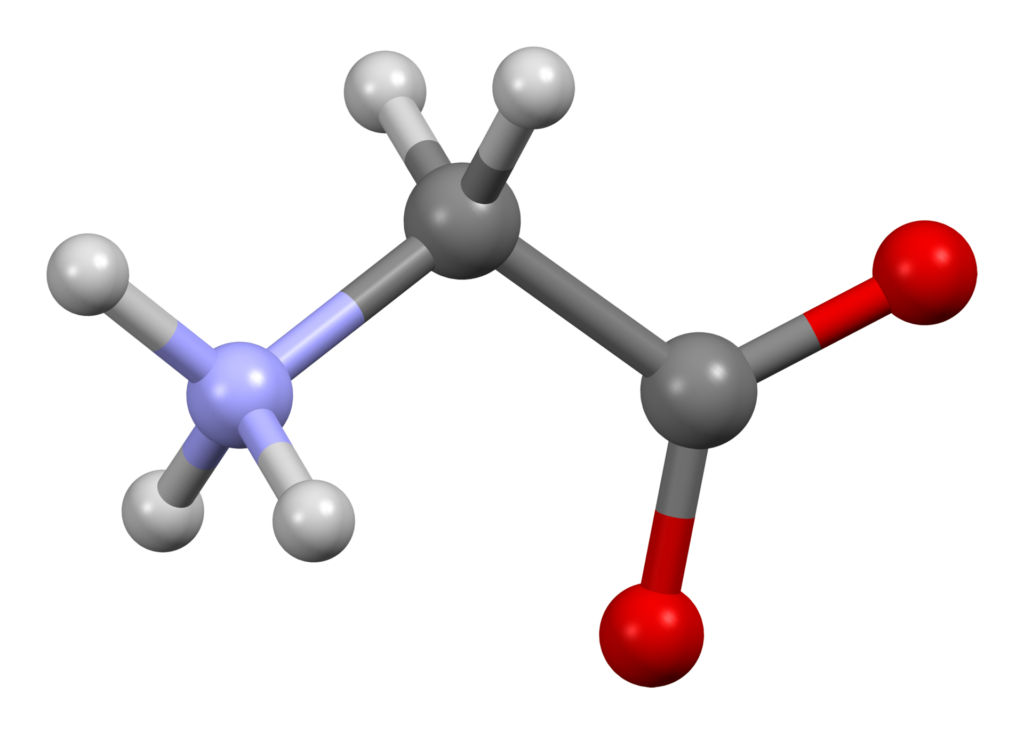
Glycine is an amino acid that lowers your core body temperature — and that temperature drop is one of the key biological signals your body uses to initiate sleep. A study published in Sleep and Biological Rhythms found that 3g of glycine taken before bed improved sleep quality, reduced fatigue, and improved daytime cognitive performance in people with known sleep complaints.
It’s tasteless, dissolves in water, and is one of the more underrated sleep supplements available. It doesn’t cause dependence, has no morning hangover effect, and addresses the physical onset of sleep rather than just sedating you.
Some people who already use Kiva’s Dream Team gummies at night add glycine as a low-stakes, inexpensive companion — it’s doing a completely different job than the cannabinoids and stacking them is straightforward, and it helps make you less likely to wake up in the middle of the night.
7. Terpene-Based Sleep Aids

Terpenes are the aromatic compounds in plants responsible for smell — and in cannabis, they’re also responsible for a significant part of the effect profile. Linalool (found in lavender), Myrcene (found in hops and mangoes), and Beta-Caryophyllene (found in black pepper and cloves) all have documented sedative and anxiolytic properties.
A study published in Frontiers in Neuroscience found that linalool, the primary terpene in lavender, produced sedative effects and reduced sleep disturbances in mice without impairing motor function. Lavender aromatherapy has shown similar effects in human trials — a meta-analysis of 15 studies found it consistently reduced anxiety and improved sleep quality across clinical and non-clinical populations.
Terpene-based sleep aids come in several forms: essential oil diffusers, pillow sprays, and increasingly as active ingredients in sleep supplements. Kiva’s Dream Team line specifically infuses Myrcene, Linalool, and Beta-Caryophyllene into both gummy formulas — the same compounds that drive the calming effect in lavender aromatherapy, now working alongside CBN and THC for a more complete sleep solution.