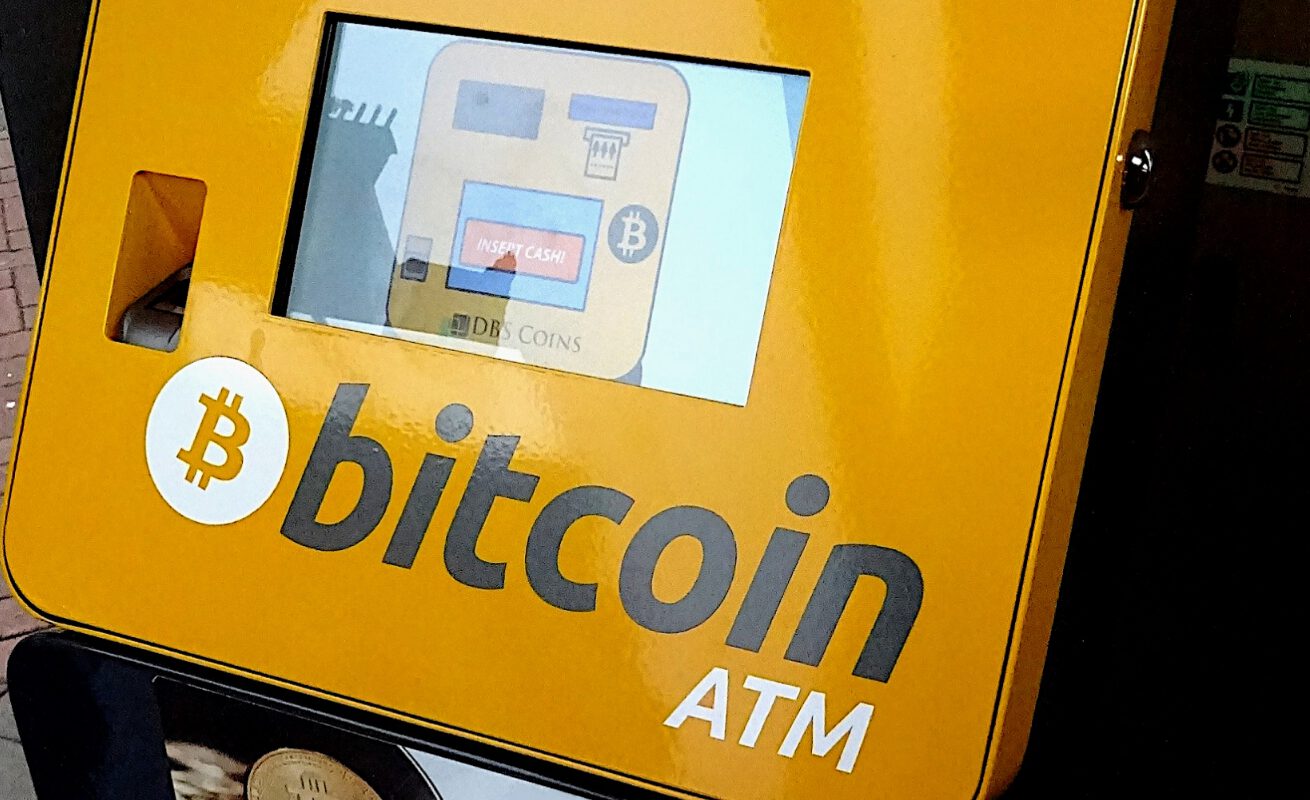
That bright yellow crypto kiosk next to the lottery tickets and energy drinks isn’t just an eyesore—it’s a $333 million fraud factory. While your parents get targeted by phone scammers directing them to these convenience store machines, legitimate cryptocurrency infrastructure quietly powers institutional payment systems. Welcome to crypto’s two Americas: predatory retail boxes enabling elder abuse, and compliant tokenized rails transforming finance behind closed doors.
2024 data, the average loss for victims aged 60 and older was over $83,000, with total reported losses of nearly $4.9 billion from over 147,000 complaints. Romance fraudsters and fake government agents weaponize these 45,000 unregulated kiosks, coaching vulnerable seniors through cash-to-crypto conversions that disappear forever.
Bitcoin Depot operates 8,000+ machines but faces lawsuits alleging that 50-90% of transactions in some locations fund scams. California data reveals 84% illicit activity at these retail points. The company maintains that “protecting consumers is central to our model,” though a former employee told investigators: “If we were to eliminate scams 100%, we would be hurting.”
Cities are fighting back with blunt instruments. Spokane and St. Paul banned crypto kiosks entirely, while 15+ states imposed daily limits, registration requirements, and refund mandates. FinCEN issued red flags for banks monitoring these transactions. But scammers adapt faster than regulators—they simply redirect victims to neighboring jurisdictions or coach around transaction limits.
Meanwhile, the other crypto builds institutional payment rails you’ll never see. Tokenized treasuries, programmable settlement systems, and compliant stablecoin infrastructure process billions in legitimate transactions. Banks pilot these technologies for cross-border payments and automated compliance. Yet this innovation gets buried under scam headlines, creating a dangerous information gap where predatory retail presence defines public perception.
The risk isn’t crypto itself—it’s policy makers conflating elder fraud machines with legitimate technology. Broad crackdowns could strangle institutional innovation while barely denting retail scams. You deserve payment systems that work better than current banking rails, but first regulators must target the predators without killing the technology that could actually improve your financial future.