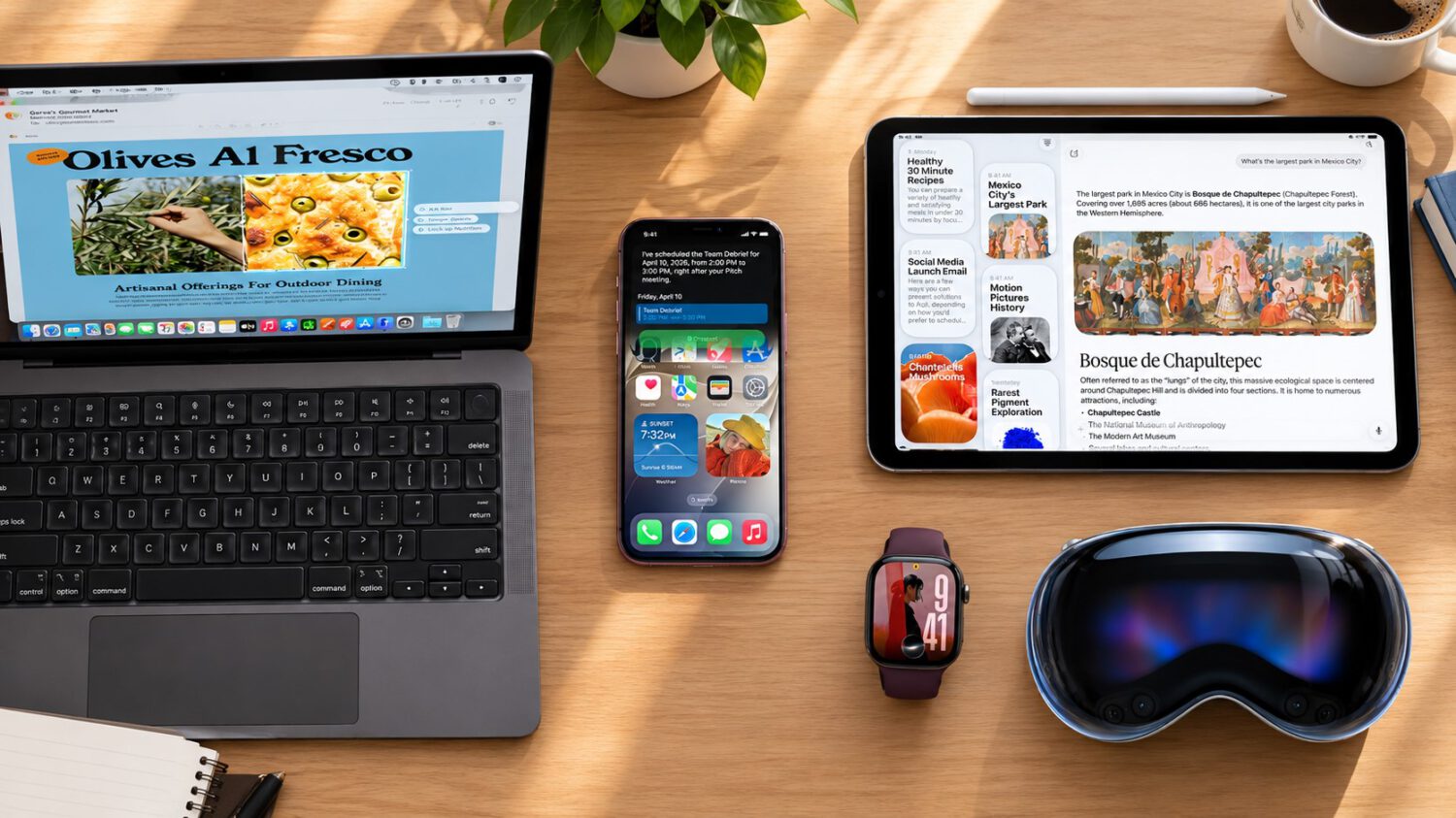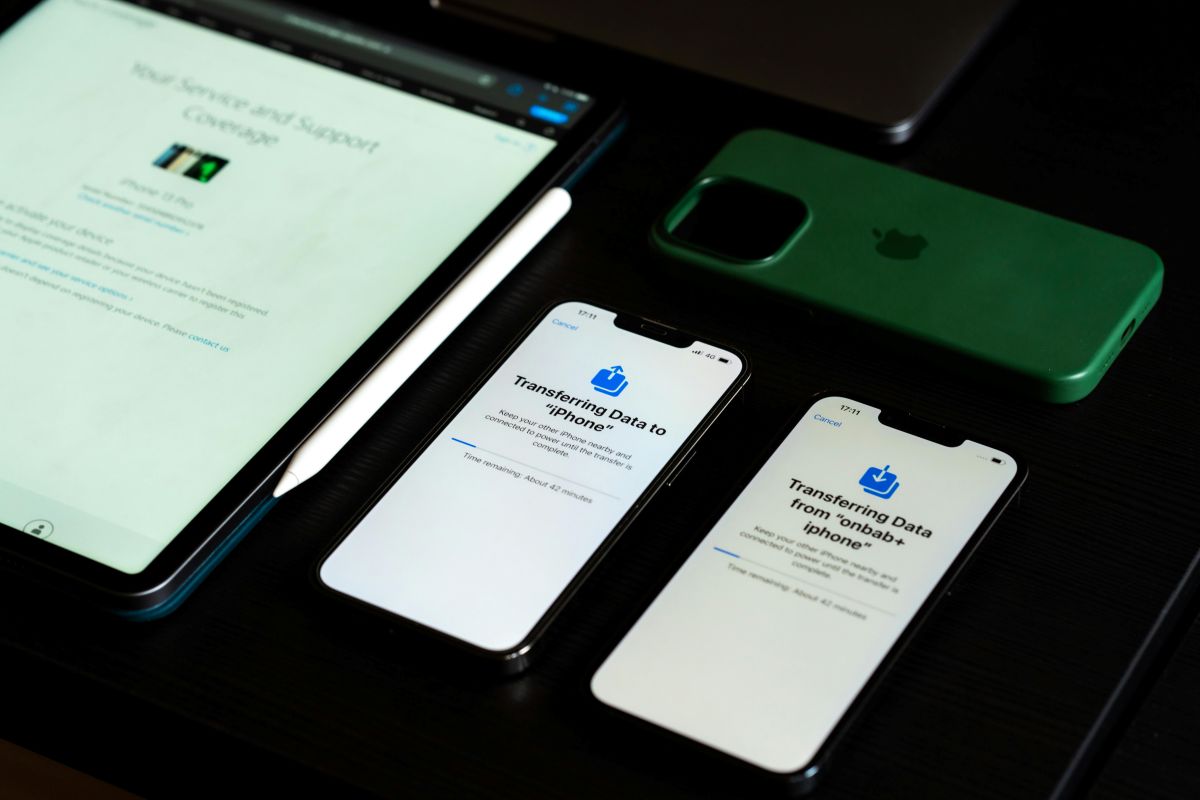
Your everyday iPhone just became the first consumer device approved for NATO classified information. Apple announced that iPhones and iPads running iOS 26 and iPadOS 26 can now handle “NATO restricted” level data without any special software or custom configurations—a milestone that no other consumer device manufacturer has achieved.
Breaking the Government Hardware Monopoly
Government agencies can finally ditch their clunky specialized devices for standard consumer technology.
Government security once required specialized, expensive devices that looked like they belonged in a 1990s spy thriller. Apple shattered that model by proving their standard consumer devices meet NATO’s stringent information assurance requirements. This isn’t about adding security layers; it’s about recognizing that iOS 26’s built-in protections already exceed military standards.
The validation process wasn’t some rubber-stamp approval. Germany’s Federal Office for Information Security (BSI) subjected Apple devices to exhaustive technical assessments that would make a TSA screening look casual. BSI President Claudia Plattner emphasized that “secure digital transformation is only successful if information security is considered from the beginning in the development of mobile products… we are pleased to confirm the compliance under NATO nations’ assurance requirements.”
Security Features That Actually Work
Your daily-use security features now carry NATO’s official seal of approval.
iOS 26 and iPadOS 26 earned their NATO Information Assurance Product Catalogue listing through existing features you already use daily. Face ID, Touch ID, hardware-level encryption, the Secure Enclave, and Memory Integrity Enforcement on Apple silicon collectively create a security fortress that government agencies trust with classified data. The only requirement? Standard enterprise mobile device management—the same “Indigo configuration” that corporations already deploy.
Apple’s VP of Security Engineering Ivan Krstić noted that “Apple has built the most secure devices in the world for all its users, and those same protections are now uniquely certified under assurance requirements for NATO nations—unlike any other device in the industry.” Translation: your personal iPhone’s security just got validated by some of the world’s most paranoid security experts.
What This Means for Everyone
This certification validates Apple’s security claims with real-world government trust.
This certification creates a ripple effect beyond government procurement. Enterprise customers now have concrete proof that Apple takes security seriously, while consumers gain confidence that their privacy claims aren’t marketing fluff. When NATO trusts your device with classified information, your banking app and personal photos are definitely in good hands.
The approval also pressures competitors to match this standard, potentially raising the security bar across the entire mobile industry. Your next phone upgrade just got more interesting—especially if you’re considering the iPhone 16.