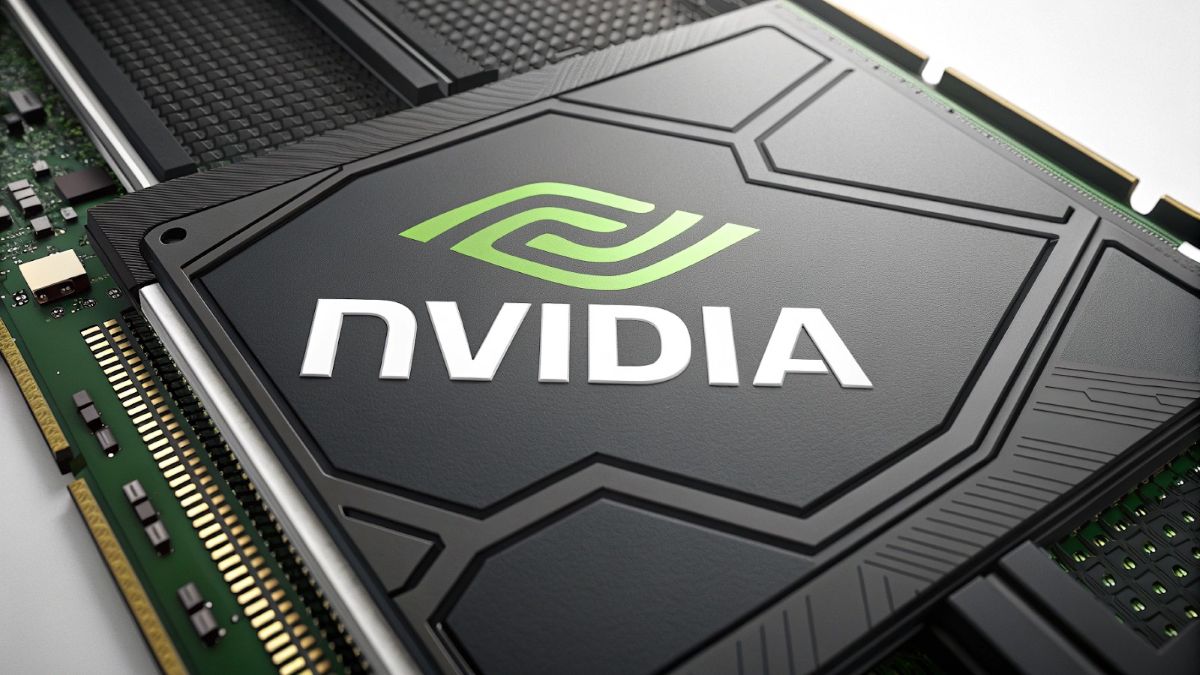
NVIDIA just closed the book on semiconductor history’s most expensive failure. The company quietly disposed of its remaining Arm Holdings shares during the fourth quarter of 2025—1.1 million shares worth approximately $140 million—eliminating any lingering connection to the chip architecture giant it once tried to acquire for $40 billion. This wasn’t panic selling or financial desperation. For a company that briefly held the title of world’s most valuable, $140 million barely registers. This was strategic housekeeping, the corporate equivalent of finally throwing out your ex’s belongings.
The divestiture represents the definitive end to a merger attempt that collapsed under coordinated regulatory pressure from three continents. When the U.S. Federal Trade Commission, UK authorities, and European regulators all unite against your deal, you know you’ve touched a nerve.
Portfolio Housecleaning Reveals New Strategy
The Arm exit wasn’t isolated—NVIDIA simultaneously dumped two other major positions while doubling down on AI infrastructure bets.
Your investment portfolio tells a story, and NVIDIA’s latest moves read like a strategic thriller. Beyond ditching Arm, the company also exited its $177 million Applied Digital position and completely abandoned WeRide. Applied Digital’s stock immediately tanked 7.8% in after-hours trading—apparently investors view NVIDIA’s presence as a vote of confidence (and its absence as a red flag). WeRide followed with a 2.7% decline.
But here’s where it gets interesting: NVIDIA simultaneously acquired new positions in Intel, Nokia, and Synopsys while pumping an additional $2 billion into CoreWeave in January 2026. This isn’t random portfolio shuffling. It’s a calculated pivot from owning foundational chip architecture to partnering with AI infrastructure providers.
Regulators Score a Rare Tech Victory
The FTC’s successful block of the Arm deal set precedent for scrutinizing vertical mergers in critical infrastructure.
The original Arm acquisition attempt died a thousand regulatory cuts. The FTC charged that NVIDIA’s ownership would harm competition in advanced driver assistance systems, datacenter networking, and cloud computing. More damaging was the allegation that NVIDIA would gain access to competitively sensitive information from Arm’s licensees—many of whom were NVIDIA’s direct rivals.
“The termination of what would have been the largest semiconductor chip merger will preserve competition for key technologies,” said FTC Director Holly Vedova in February 2022, calling it “the first abandonment of a litigated vertical merger in many years.” That precedent still echoes through boardrooms today, tempering consolidation ambitions across the tech sector.
Independence Pays Off for Both Companies
Arm’s public company path proved more valuable than NVIDIA’s embrace, while NVIDIA discovered AI partnerships beat ownership.
Arm CEO René Haas wasn’t looking backward when the deal collapsed. “We like where Arm is right now,” he said in 2022, and the numbers prove him right. The company successfully went public and expanded into cloud computing with customers like Amazon Web Services and Microsoft Azure. Meanwhile, NVIDIA found that owning the plumbing matters less than controlling the water flow—hence the CoreWeave investment and strategic semiconductor industry partnerships.
The semiconductor industry just learned an expensive lesson: in critical infrastructure, regulators prefer competition over consolidation. Your next smartphone chip will benefit from that $40 billion education.