Spending two hours daily trapped in your car or glued to your desk isn’t just boring—it’s actively rewiring your metabolism for disaster. Each additional sedentary hour increases Type 2 diabetes risk by 22%, while meta-analyses show people with high versus low sitting time face 112% greater relative risk. Your morning commute plus an eight-hour workday creates the perfect storm for a 20-pound annual weight gain and doubled diabetes risk. Fortunately, your wrist-worn tech can wage war against this sedentary assault.
Exercise Snacks Beat the System
Think of movement like TikTok videos—short bursts work better than marathon sessions. Exercise snacks (10-minute walks, desk squats every 30-60 minutes) aren’t just trendy workplace wellness theater. They genuinely improve blood sugar control and insulin sensitivity while enhancing protein absorption. Post-meal walks specifically lower glucose spikes.
Emerging research suggests these micro-movements can reverse roughly 80% of sedentary effects. Your Slack notifications can wait; your pancreas cannot.
Wearables Turn Alerts into Action
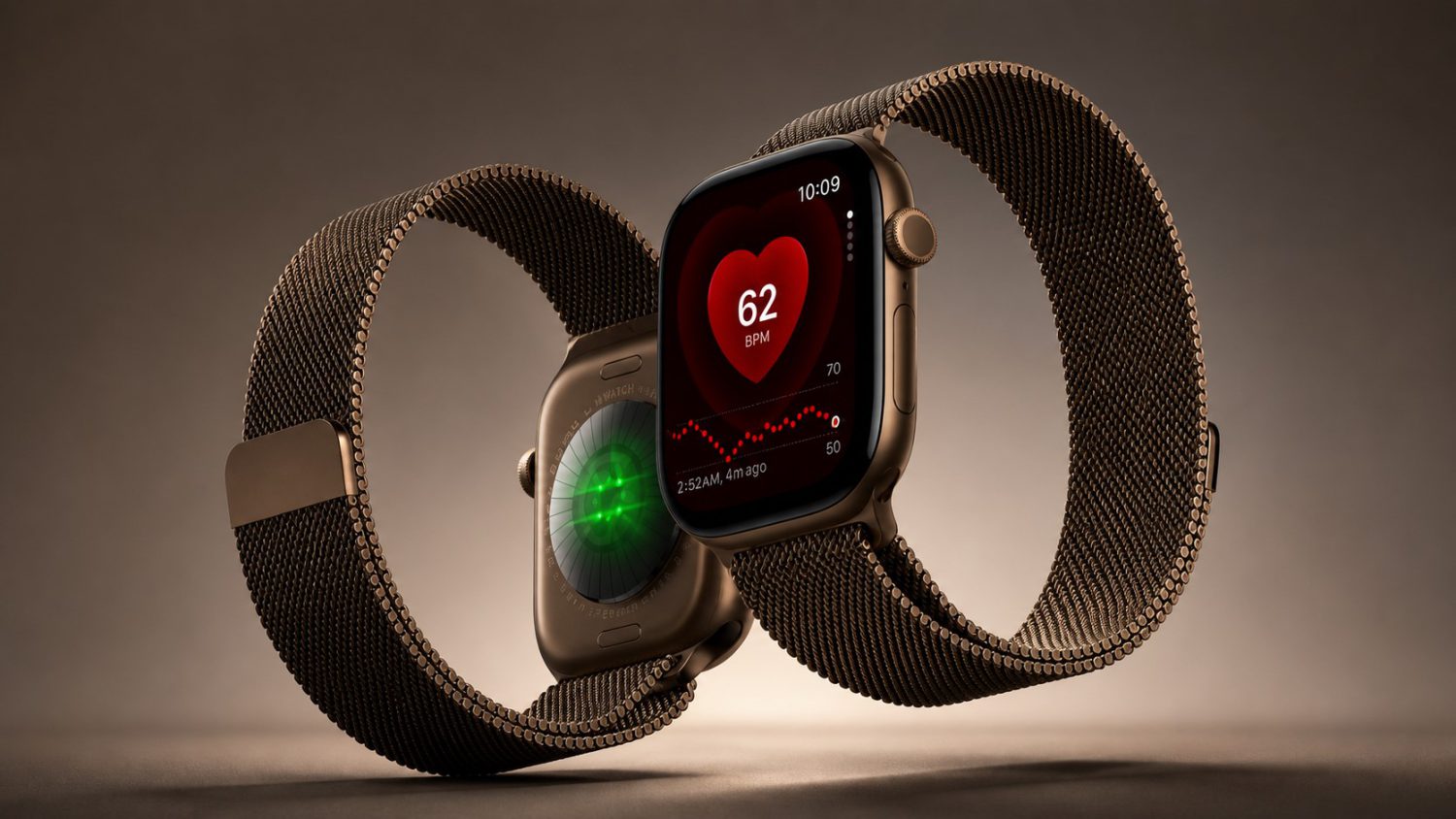
The Fitbit Charge 6 delivers hourly inactivity alerts with seven-day battery life, while Apple Watch Series 10 integrates seamlessly with your iPhone ecosystem for comprehensive metabolic tracking. Garmin’s Vivosmart 5 excels at GPS-powered walk routing when you need to escape the office.
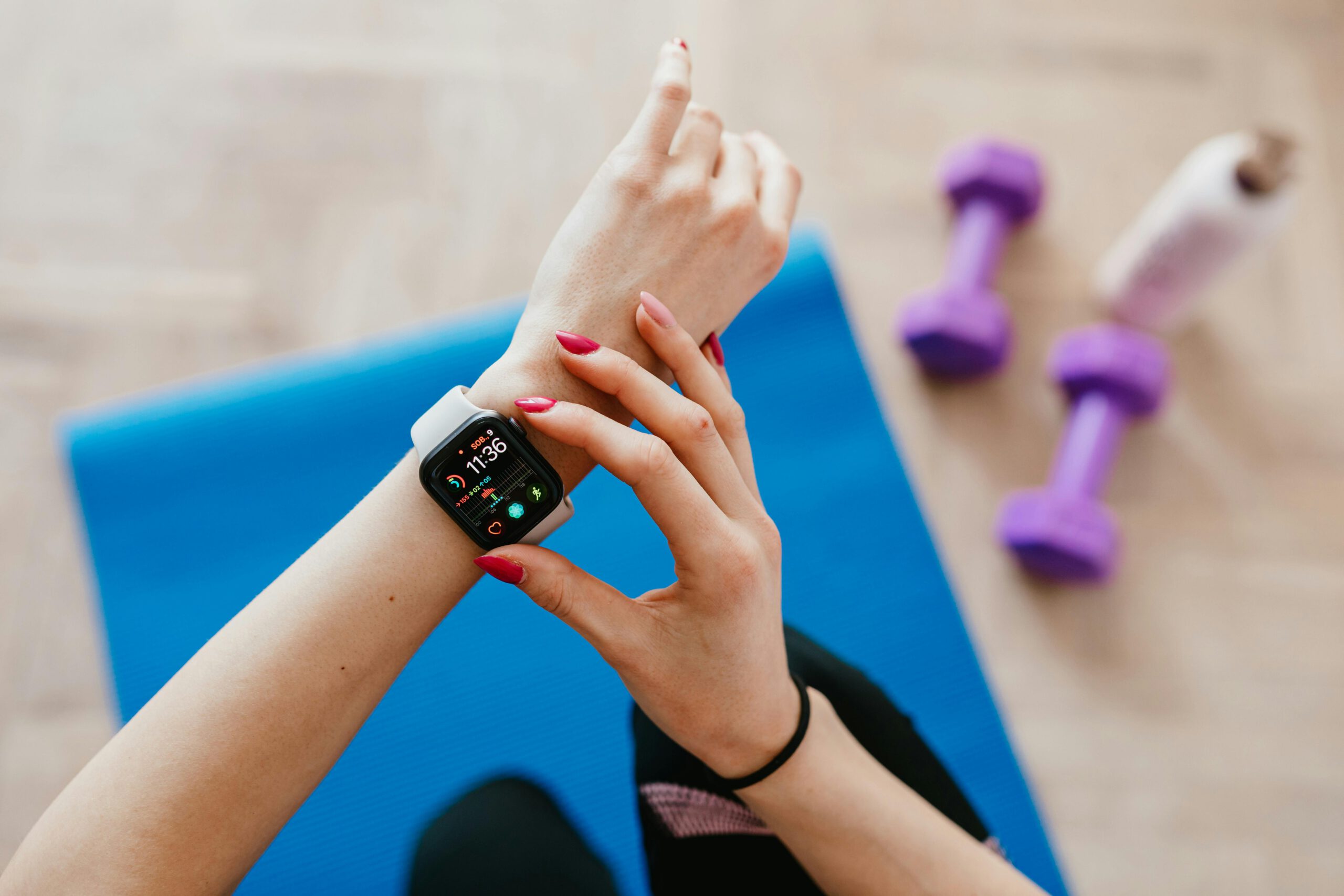
These devices don’t just count steps—they actively interrupt your sitting patterns through customizable vibrations and gamified Active Zone Minutes that move feel less like medicine and more like achievement unlocking.
The Science Gets Personal
Replacing 30 minutes of sitting with light activity dramatically cuts Type 2 diabetes risk, with stronger effects in people under 40 who haven’t yet developed genetic resistance. Protein snacks paired with movement enhance muscle repair—crucial after age 30 when muscle mass naturally declines.
Modern wearables integrate with apps like MyFitnessPal to optimize this combo, tracking both your inactivity alerts and nutritional timing. Your body treats prolonged sitting like a slow-motion emergency; these tools help you respond accordingly.
If you’re logging 2+ hours of daily sitting, your metabolism is already shifting toward insulin resistance. The 20-pound creep and diabetes doubling aren’t inevitable—they’re preventable through strategic movement and smart monitoring. Your wearable won’t fix everything, but it’ll give you a fighting chance against the sedentary epidemic.