The automotive industry isn’t just about getting from point A to point B; it’s about the experience, and sometimes, that experience includes features so bad they’re practically a punchline. Navigating the options can feel like choosing between lukewarm coffee and a root canal—both get the job done, but neither is enjoyable. We’ve sifted through the noise, test-driven the nightmares, and compiled a list of features that make you wonder what engineers were smoking. If you’ve ever wondered why your car seems to be fighting against you at every turn, buckle up; this could get bumpy.
21. Infotainment Glitches
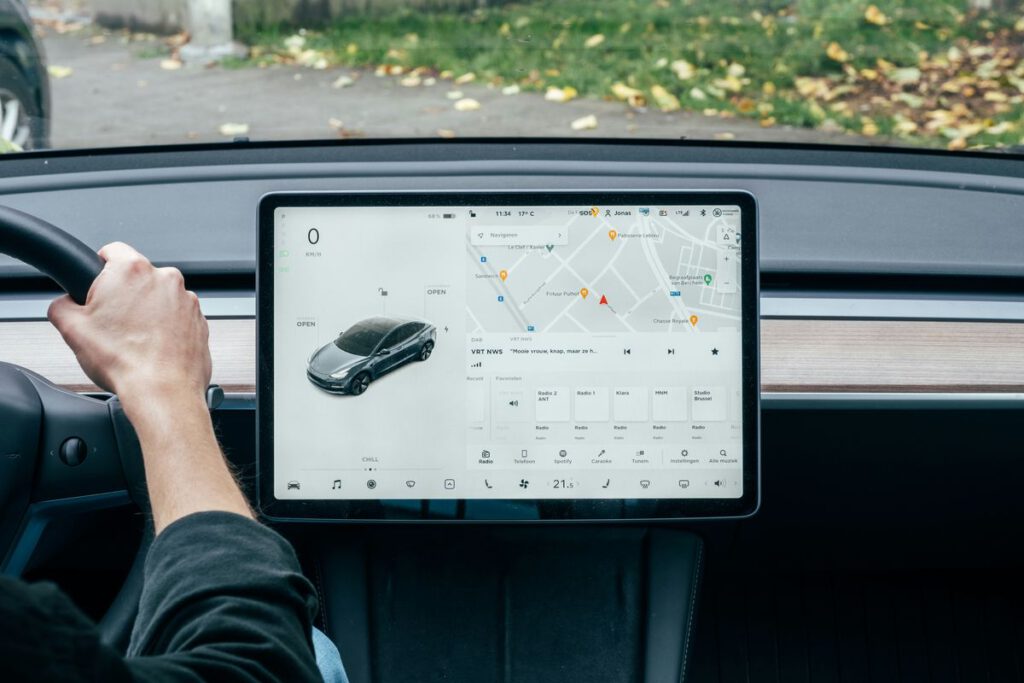
Modern car screens freeze more often than a Windows 95 computer.
Infotainment glitches, screen freezes, and camera malfunctions rank among the top complaints across new cars for 2026. Picture the Mercedes EQS hyperscreen—gorgeous until you’re three menus deep, wrestling with its complexity while needing to focus on traffic. These systems demand updates like a spoiled influencer demands attention, making simple navigation an exercise in extreme patience.
Unresponsive touchscreens and camera malfunctions aren’t just annoying; they’re a distraction that chips away at your confidence and safety. It’s hard to feel like you’re piloting the Millennium Falcon when your dashboard acts more like a Tamagotchi demanding constant care.
20. Electrical and Sensor Issues
Dashboard warning lights appear faster than notifications on a teenager’s phone.
Anyone who’s ever driven cross-country knows that inexplicable dashboard lights are scarier than a horror movie. Electrical and sensor issues lead to false warnings, limp mode, and diagnostic delays in complex vehicles. Think of it as the automotive equivalent of blue-screening: total loss of power when you need it most.
Then there’s the joy of early ownership: trim loosening like a bad toupee and switchgear feeling sloppier than a college dive bar. Diagnostic delays just add insult to injury, turning what should be a quick fix into an extended warranty saga.
19. Rear Camera Blanks/Distortions
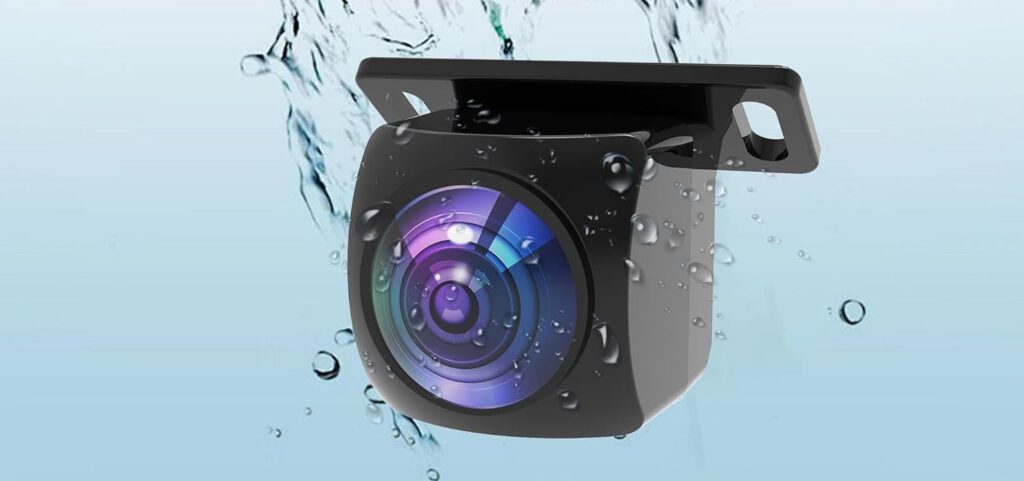
Parking becomes a high-stakes game of chicken when your digital eyes take a vacation.
Ford Explorer and truck owners report rear camera blanks and distortions, turning parking into guesswork. Navigating a crowded lot or trying to parallel park shouldn’t feel like defusing a bomb, but obscured visibility can turn a simple errand into a potential fender-bender.
The risk of accidents skyrockets when your camera turns into a screen of static. Give your vehicle’s tech a checkup as often as you gas up, because a little proactive maintenance is way cheaper than a new bumper.
18. Gimmicky Drive Modes
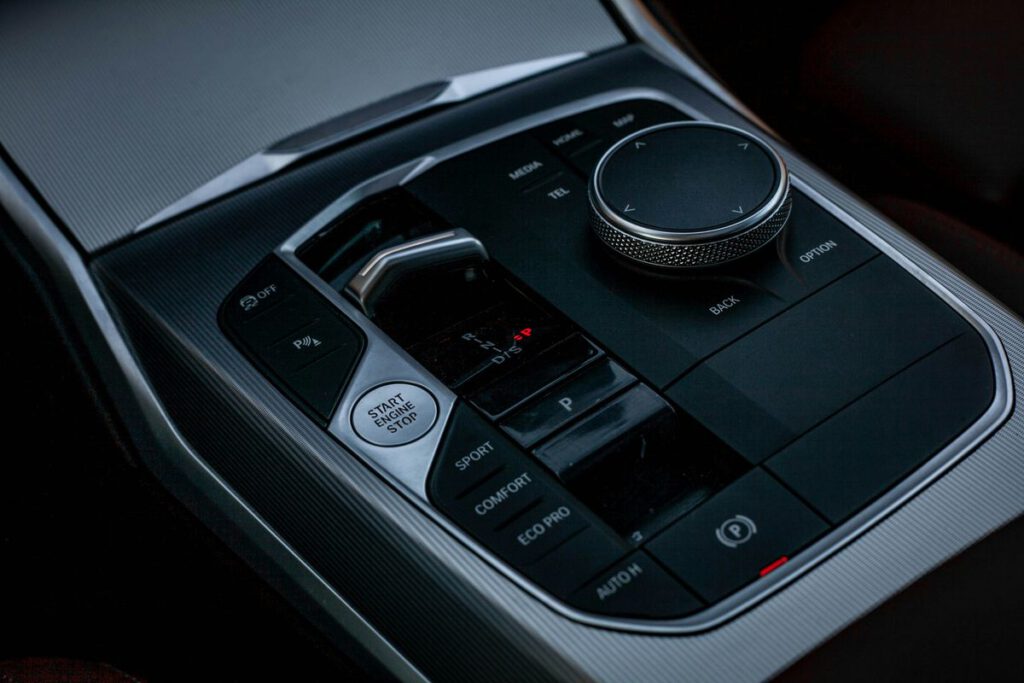
Ford packs trucks with more drive modes than Netflix has categories.
Drive modes promise optimal performance across conditions, but too many options can feel overwhelming. Ford packs their trucks with specialized modes—mud, sand, snow—yet their real-world benefit remains questionable according to car enthusiasts. This complexity overwhelms everyday drivers who just want reliable transportation without consulting a NASA flight manual.
Sometimes the best tech solution is remembering the basics—or maybe just buying snow tires. You’d be amazed how often “normal” mode already works perfectly fine.
17. Cabin Materials
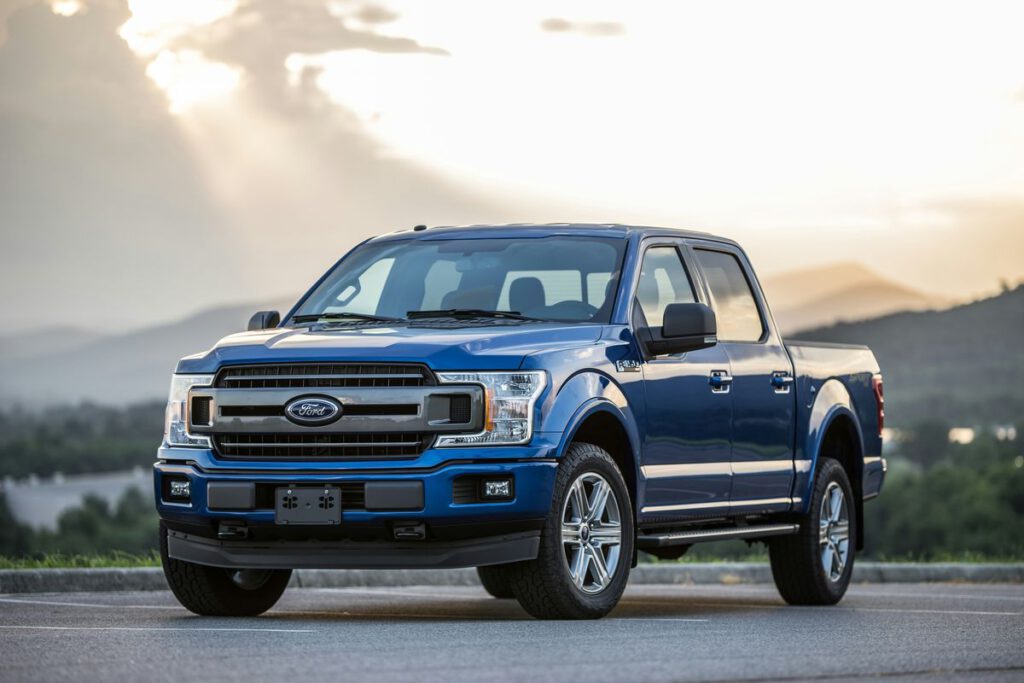
Ford interiors feel like they were designed by someone who hates tactile experiences.
Ford truck and Explorer owners report cabin materials that don’t match price points, despite shelling out serious cash. It’s the kind of plastic that looks okay from a distance, but up close, feels like a Happy Meal toy. Considering the price tag, you’d expect something that doesn’t remind you of a budget econobox.
Before you sign the dotted line, spend some quality time examining the dashboard materials. You’ll be touching these surfaces daily, so make sure they don’t feel like disappointment wrapped in fake leather.
16. Tailgate/Electronic Gremlins
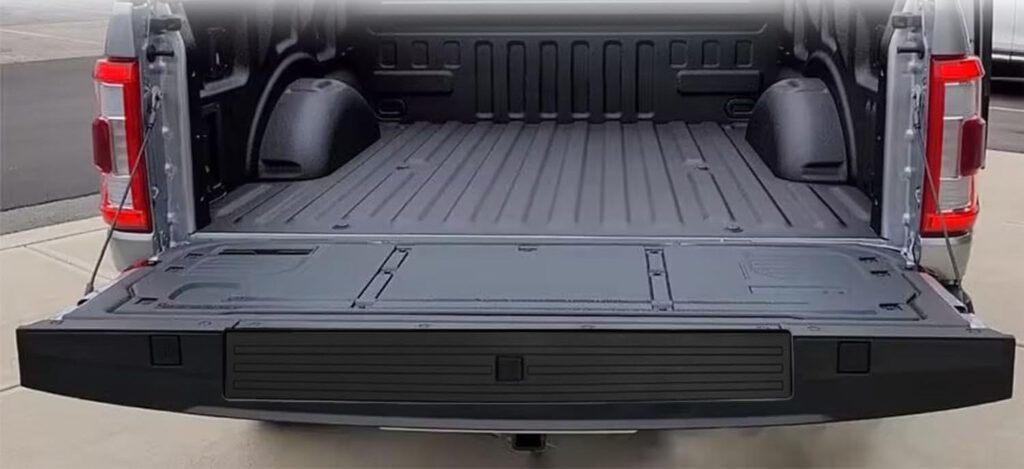
Ford tailgates decide to take vacations whenever they please.
Ford truck owners know the drill: electronic gremlins plaguing tailgates and other systems aren’t just quirky inconveniences. These unpredictable failures cost time and money, like a tailgate failing just as you’re loading heavy equipment for that weekend project.
The Ford Explorer and F-series trucks face complaints including these electronic hiccups that turn simple errands into repair shop visits. What’s needed is better quality control so owners aren’t playing whack-a-mole with electrical demons.
15. Infotainment Freezes, Genesis GV80
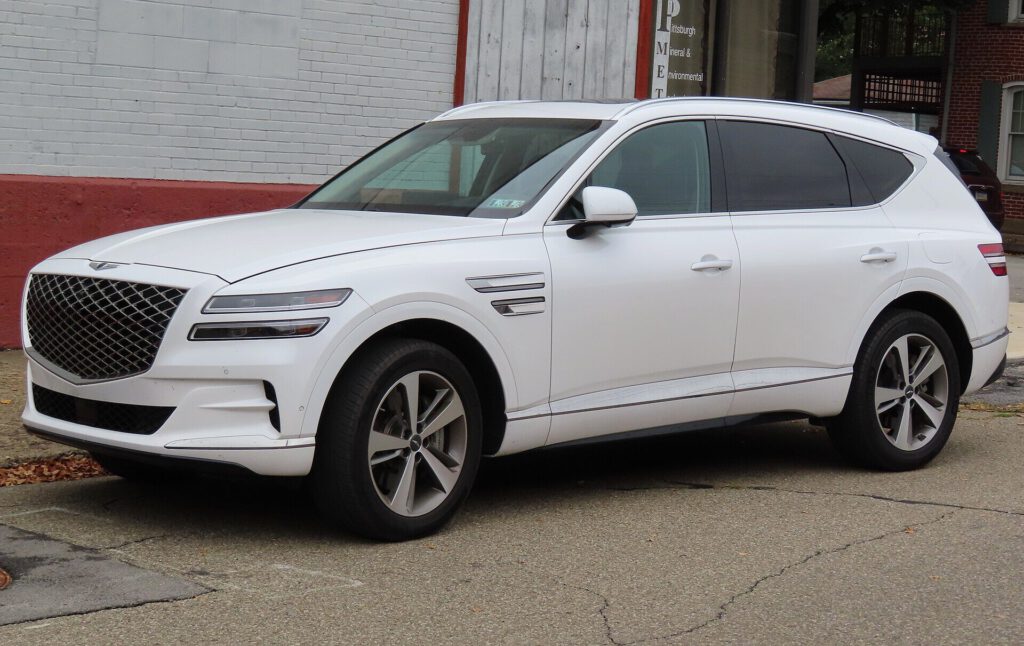
Getting stuck in digital traffic while trying to adjust the AC.
Despite upscale visuals, the Genesis GV80 suffers from infotainment system freezes that aren’t just annoying but legitimately disruptive while driving. It’s like your phone crashing when you’re trying to show off TikToks—embarrassing, but way worse on the freeway.
Add transmission hesitations, steering vagueness, suspension clunks, and interior rattles, and you’ve got a recipe for consumer dissatisfaction. For fifty grand, you expect the car to just work, not give you daily reminders that tech can be temperamental.
14. Transmission Hesitations, Genesis GV80
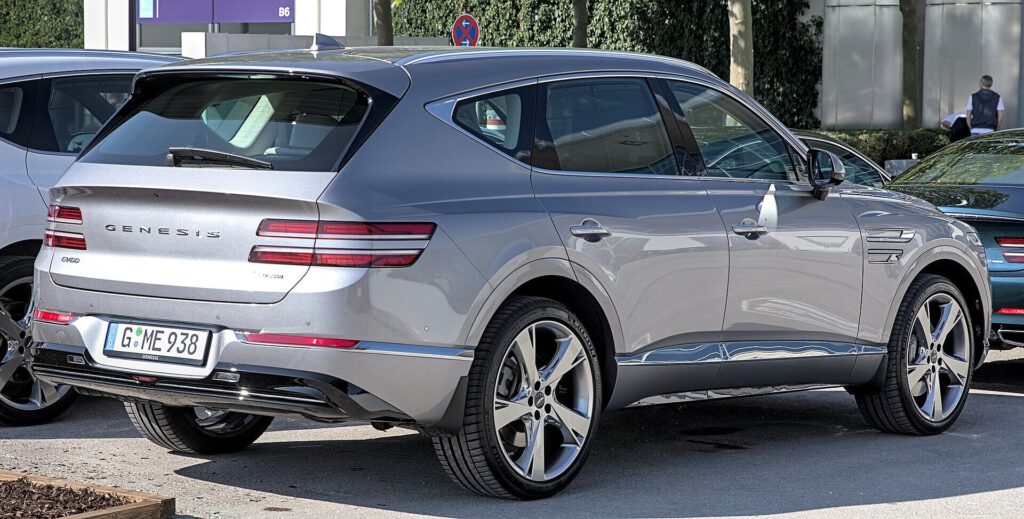
Luxury cars should glide like figure skaters, not lumber like Zambonis.
Some Genesis GV80 owners report jerky acceleration and delayed transmission response, making merging onto highways feel like a game of chicken. Ever tried pulling into traffic only to have your ride play coy? That would sting, especially considering the fifty-thousand-dollar starting price.
The result isn’t just reduced driving enjoyment; it’s a hit to confidence and potential safety concerns. When you spend that much on a luxury vehicle, it should feel like an ally, not an adversary.
13. Steering Vagueness, Genesis GV80
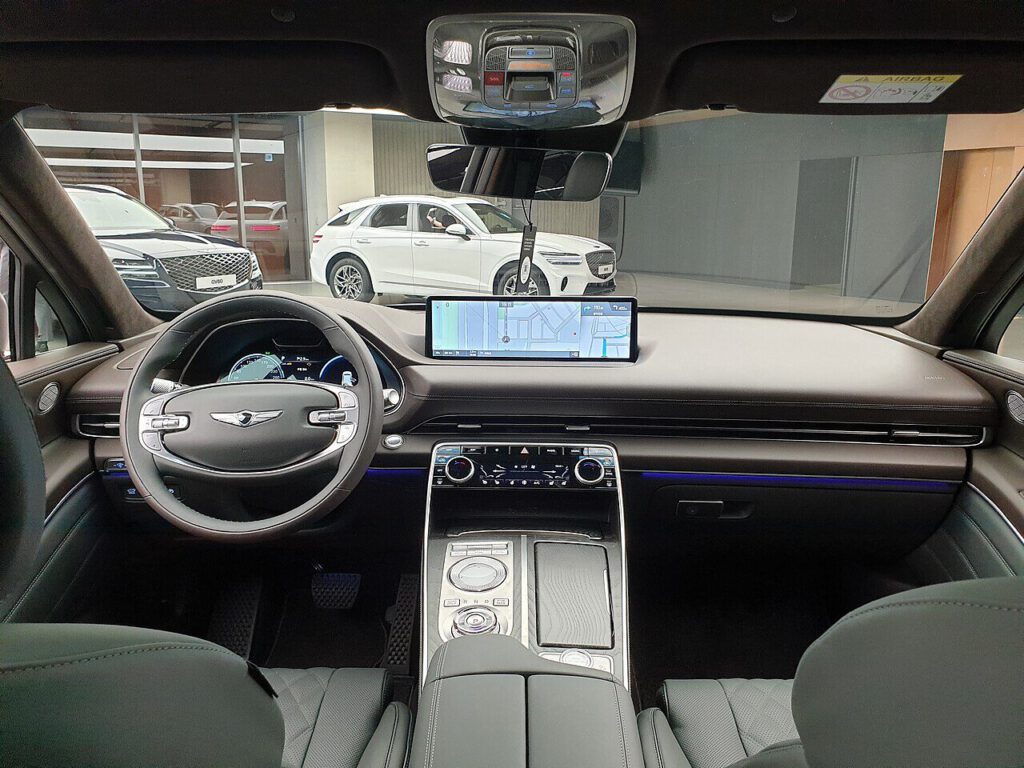
Navigating feels more like piloting a boat than commanding an SUV.
Some GV80 drivers report steering that lacks road feel, making lane maintenance difficult on long drives. Increased driver fatigue gets baked into the experience when your steering wheel provides less feedback than a broken Xbox controller.
Imagine wrestling with a shopping cart that has a mind of its own; now picture that on a winding road. Steering vagueness not only turns road trips into white-knuckle affairs but also increases accident potential.
12. Suspension Clunks, Genesis GV80
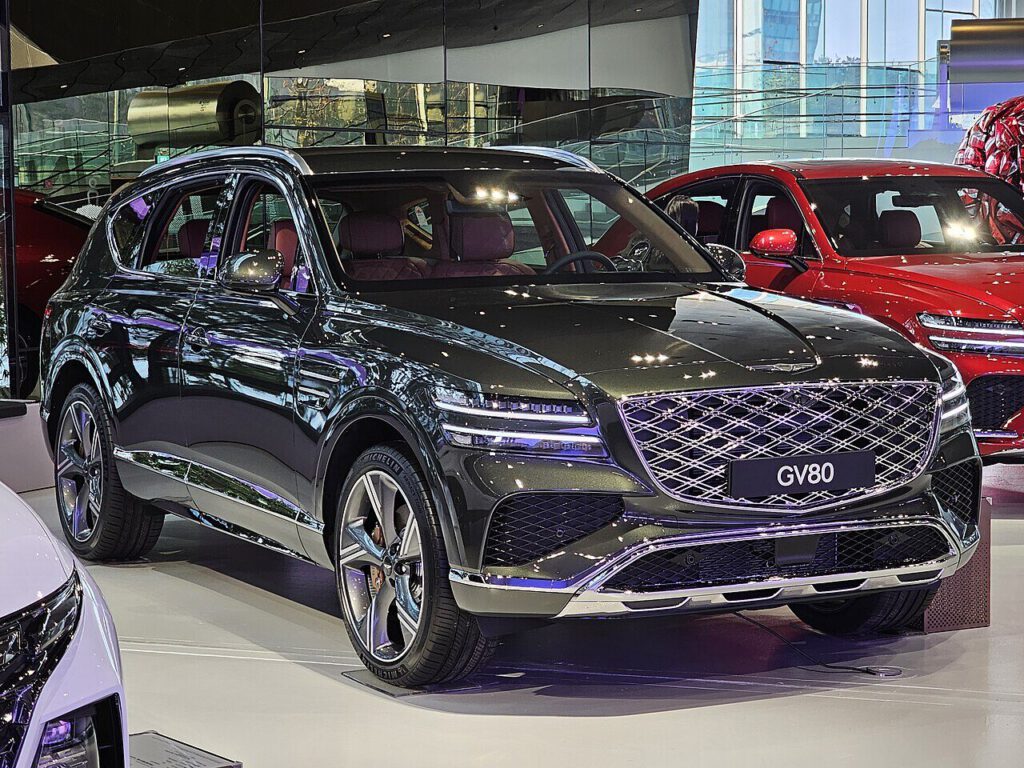
Every speed bump sounds like a dumpster falling down stairs.
The Genesis GV80 aims for luxury, but some owners report noisy suspension over bumps that undermines ride comfort. It’s like wearing a designer suit with squeaky shoes—style points get yanked away fast.
Driver and passenger discomfort surfaces due to perceived lack of build quality. You expect a Michelin-star experience but get airplane peanuts, which disappoints considering the premium price tag.
11. Interior Rattles, Genesis GV80
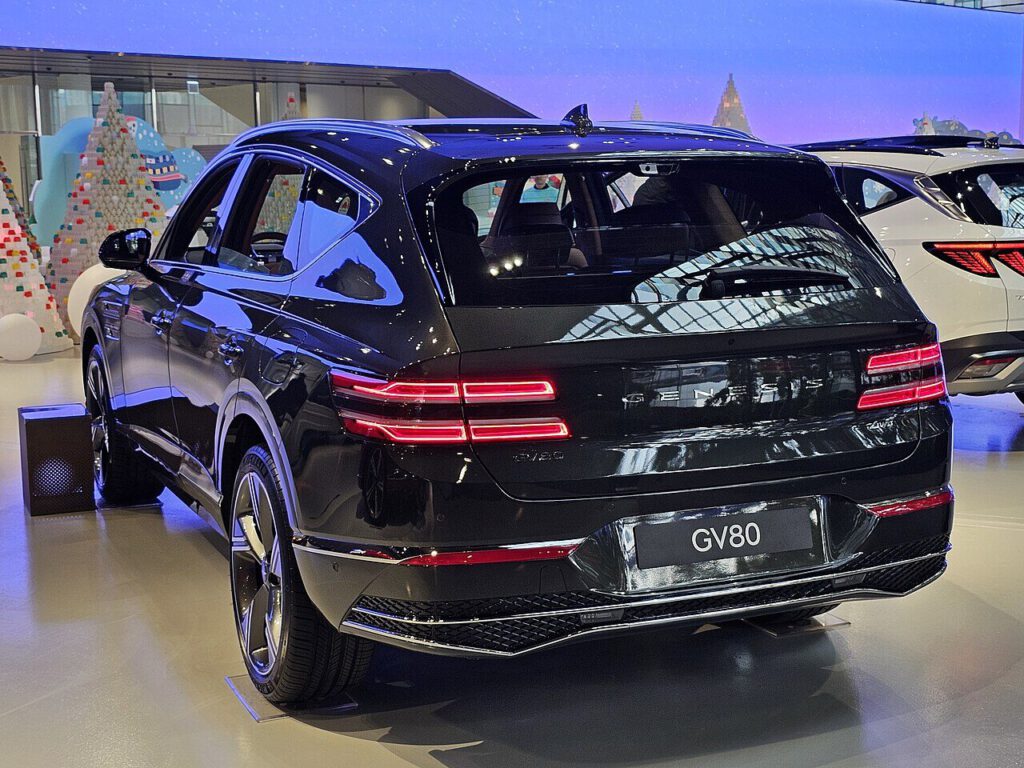
Sounds like a toolbox rolling around in a luxury SUV’s trunk.
Despite fancy exterior styling, the Genesis GV80 apparently suffers from annoying interior rattles that cheapen the whole experience. These sounds aren’t just irritating; they’re distracting, like trying to solve a Wordle while your toddler bangs pots and pans.
These quality issues make you wonder where quality control was that day. For a vehicle costing upwards of fifty thousand dollars, you’d expect better build precision and attention to detail.
10. Battery Warnings, Chevy Blazer EV and Honda Prologue
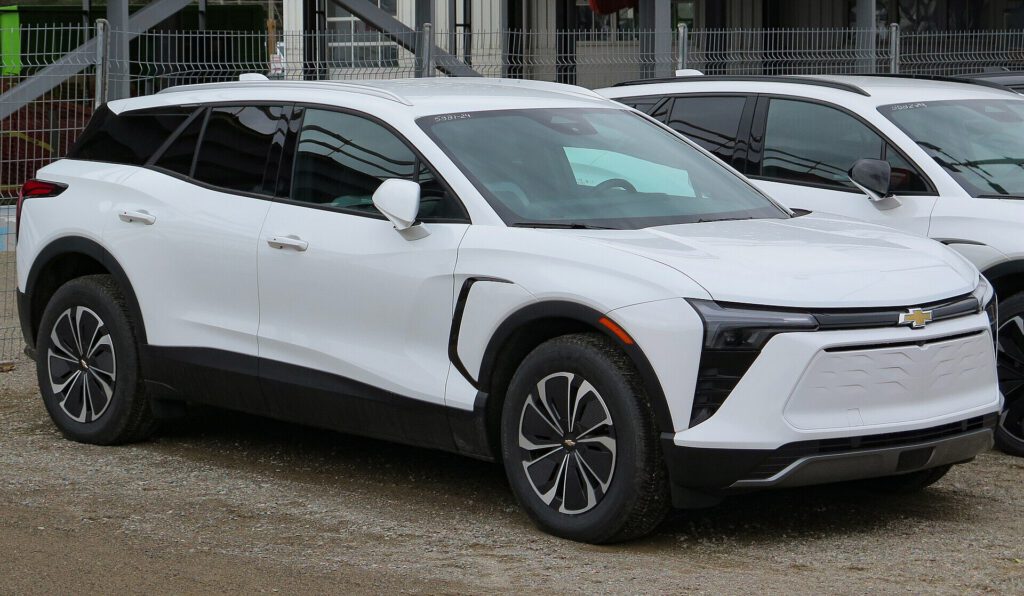
False battery warnings cause more anxiety than finding parking at Coachella.
The Chevy Blazer EV and Honda Prologue share platforms and some of the same EV gremlins, like false battery warnings causing unwarranted anxiety. Add climate control inconsistencies, random electrical resets, and software quirks, and you’ve got range anxiety that rivals any gas-powered nightmare.
Unlike predictable gas vehicle maintenance, these EVs promise simplicity but deliver a digital haunted house. Imagine a car that cries wolf about its battery, making you question every mile.
9. Climate Inconsistencies, Chevy Blazer EV and Honda Prologue
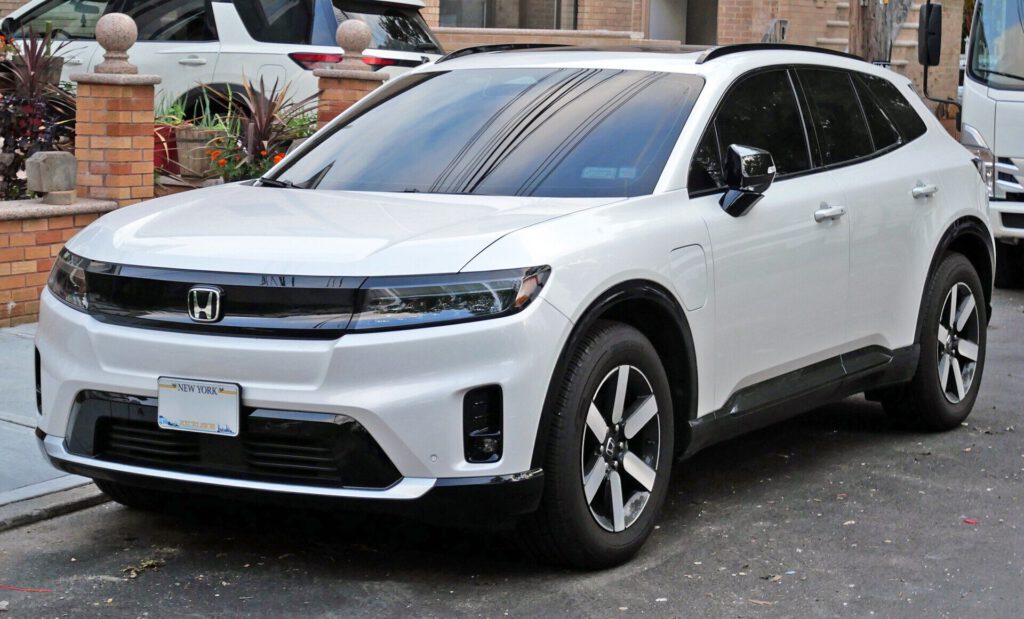
Temperature battles where the car itself is the passive-aggressive spouse.
The Chevy Blazer EV and Honda Prologue share climate control quirks that drivers report as uneven heating and cooling. This leads to passenger squabbles and frozen-shoulder scenarios in July—basically the automotive version of “one size fits all” that actually fits nobody.
Add software-related glitches and electrical gremlins, and suddenly the electric dream feels more like an electrified headache. All you really want is reliable comfort; instead, you’re playing climate roulette.
8. Electrical Resets, Chevy Blazer EV and Honda Prologue
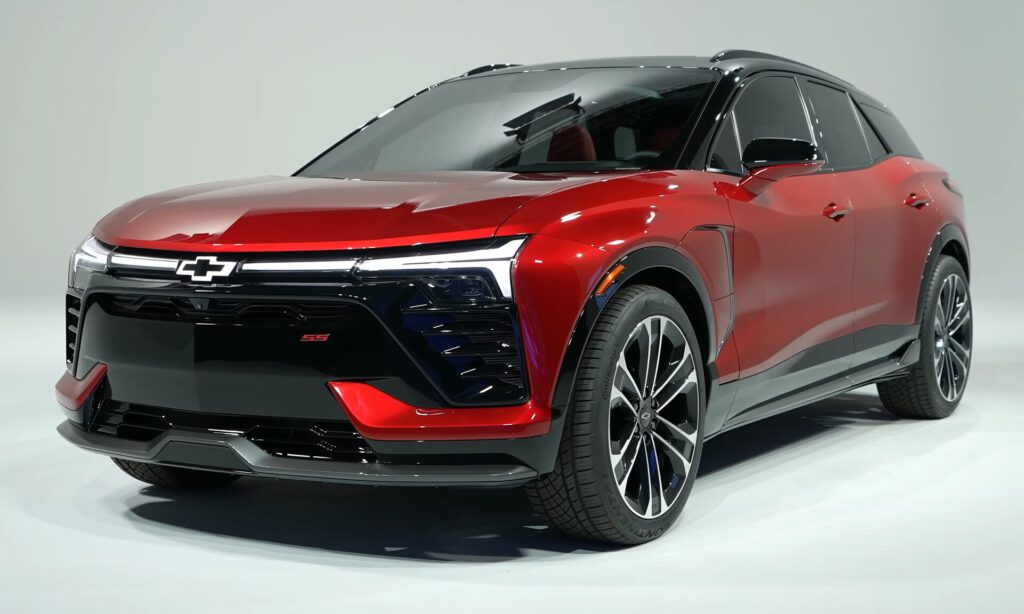
System shutdowns are less thrilling than surprise parties when you’re driving.
The Chevy Blazer EV and Honda Prologue share electrical reset issues that feel like your car is playing hard to get. Losing functionality mid-drive lands you in the shoulder lane, staring at a blank screen like it owes you money.
Who wants to live with the fear that their expensive ride will throw another digital tantrum? Temporary fixes might get you back on the road, but long-term solutions need to be actual repairs, not band-aids.
7. Software Quirks, Chevy Blazer EV and Honda Prologue
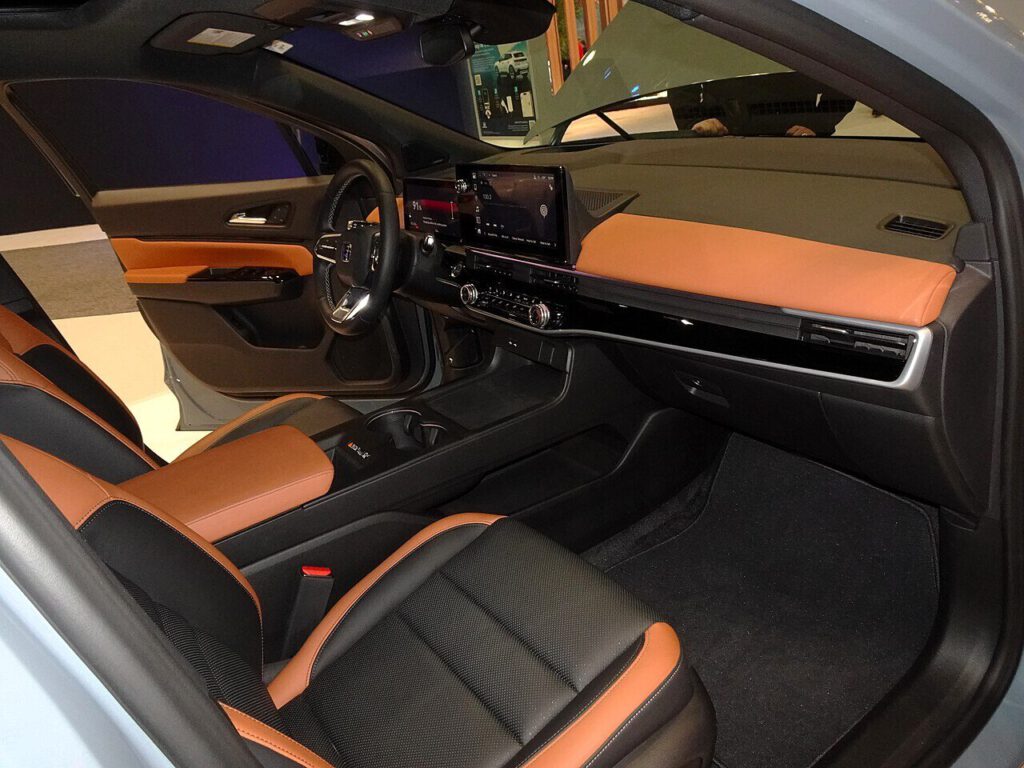
Constant updates feel like remodeling a house while you’re still living in it.
These rides share software hiccups including unexplained behaviors, cryptic error messages, and occasional electrical resets that feel like digital exorcisms. Ongoing software updates might fix climate inconsistencies or battery warnings—or they might not.
Automotive software will either become seamless and intuitive or the equivalent of Windows Vista on wheels. Stream some music while you pull over and reboot; at least the entertainment system might work.
6. Overly Bright Headlights
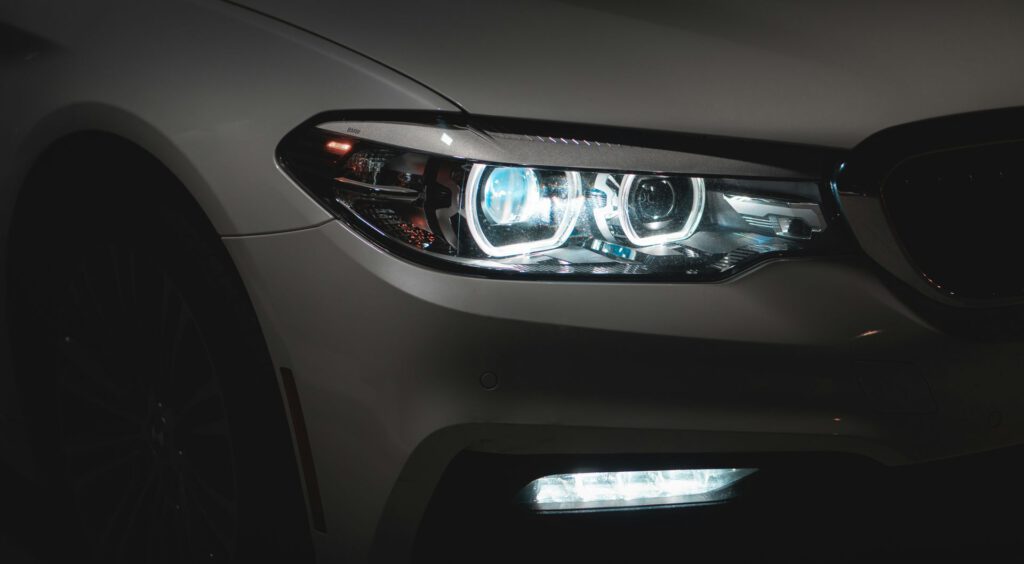
Modern headlights turn night driving into an unwanted rave experience.
These retina-searing beams aren’t properly regulated, so cars equipped with them turn night driving into a high-stakes game of chicken. You might think you’re seeing the face of God, but it’s just someone with LEDs brighter than their future.
These headlights aren’t just a minor annoyance; they’re a legitimate safety hazard that increases accident risks. If you’re seeing spots, you’re not alone—and it’s time to demand safety regulations before someone drives into a ditch.
5. Artificial Engine Sounds
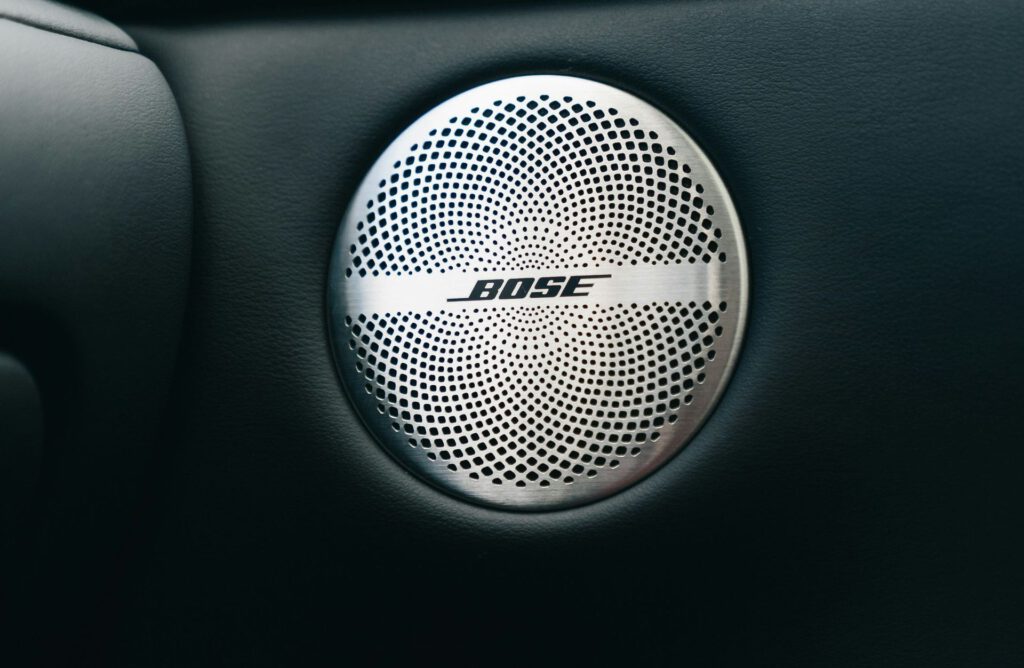
Bad karaoke night for your ears, courtesy of fake engine noises.
For anyone who’s enjoyed the visceral thrill of a roaring V8, these artificial engine sounds feel hollow. You get none of the satisfying mechanical feedback, which means no real connection with the driving experience.
Automakers are essentially remixing driving, adding audio tracks that seem about as genuine as a reality TV dating show. As consumer preferences evolve, manufacturers need to decide if they’re creating a symphony or just cacophony.
4. Excessive Screens Replacing Physical Buttons
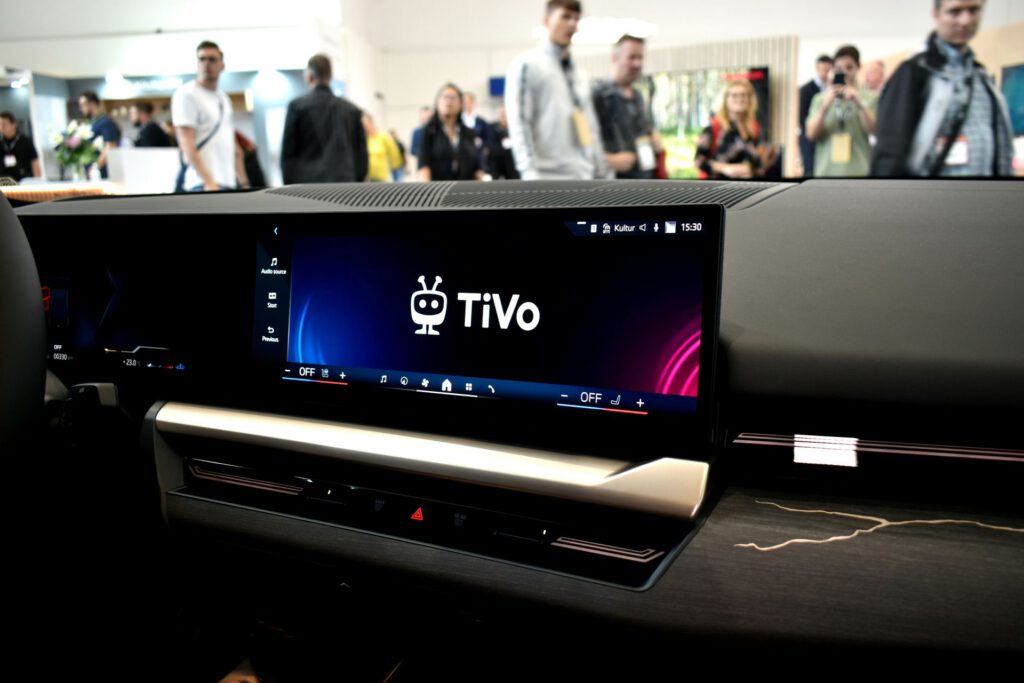
Touchscreens and driving mix like oil and water.
Car designers seem to have forgotten that finding the right setting while driving can feel like navigating a maze while dodging actual road hazards. Back in the day, buttons and knobs were reliable friends, but now these screens require more attention than a toddler with glitter.
While screens offer a sleek, modern look, the distraction is real. Apparently, engineers didn’t consult with drivers about convenience before adding all the screens. Give me a tactile knob over capacitive touch any day.
3. Nissan Ultima Infotainment (Outdated)
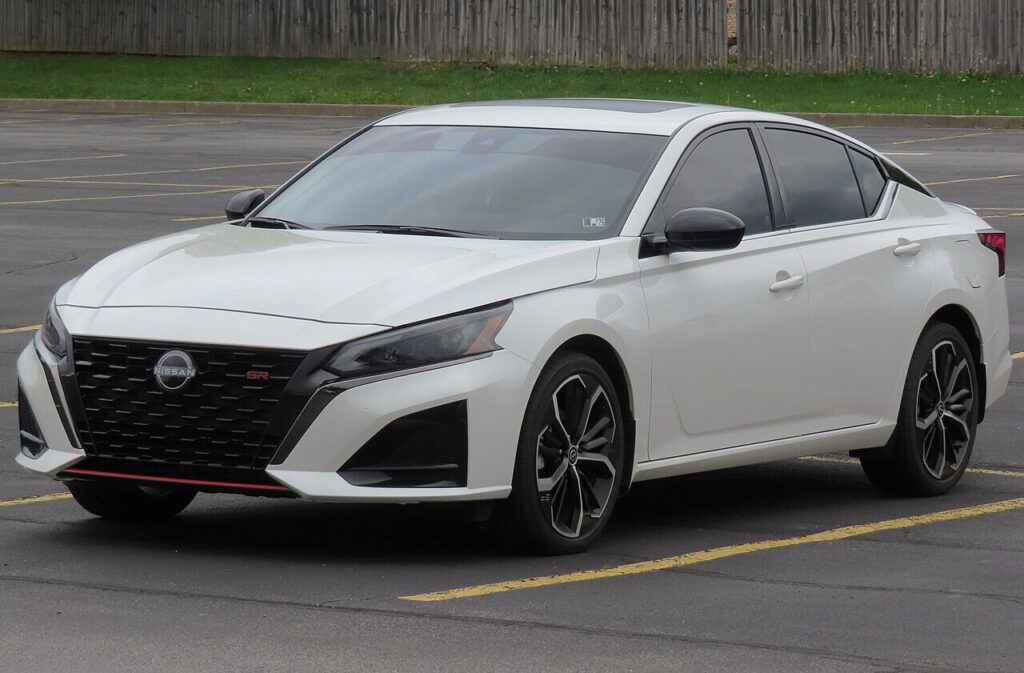
User interface about as intuitive as a screen door on a submarine.
The Nissan Ultima’s infotainment system draws criticism for lagging behind rivals, with slow response times that turn simple tasks into exercises in patience. Picture trying to navigate with an unresponsive system on a road trip—pure frustration material.
Despite the Ultima’s decent power, subpar tech doesn’t cut it. The sound insulation and materials also fall short of consumer expectations and market competitiveness.
2. Poor Sound Insulation, Nissan Ultima
Highway drives feel like being trapped inside a tin can.
Excessive road noise and wind intrusion create a symphony of unwanted sounds in the Nissan Ultima. Conversations become shouting matches, and your favorite tunes lose those subtle bass lines to wind noise.
Some people improve the situation with aftermarket sound-deadening materials in doors, floors, and trunks. It’s like upgrading from a studio apartment to a soundproofed bunker—your ears will thank you.
1. Subpar Materials, Nissan Ultima
Dashboard surfaces feel like hard candy left out in the sun.
Critics point to the Nissan Ultima’s lower-grade interior plastics as bargain basement quality, like wearing a polyester suit to a black-tie event. The cheap feel of materials leaves a negative impact on overall vehicle perception.
Consumer satisfaction takes a hit when you’re expecting quality but getting warmed-over leftovers. For a twenty-five-thousand-dollar ride, you’d hope for materials that don’t scream “budget compromise” every time you touch them.