Western Digital’s chief executive revealed a stark reality during the company’s recent earnings call: they’re “pretty much sold out for calendar 2026.” Every major hard drive is spoken for. Enterprise clients have locked in firm purchase orders, with some agreements stretching to 2028. What does this mean for your home server dreams? You’re likely to face dramatically higher prices.
Enterprise Clients Are Eating Everyone’s Lunch
AI companies now control 89% of Western Digital’s revenue, relegating consumers to scraps.
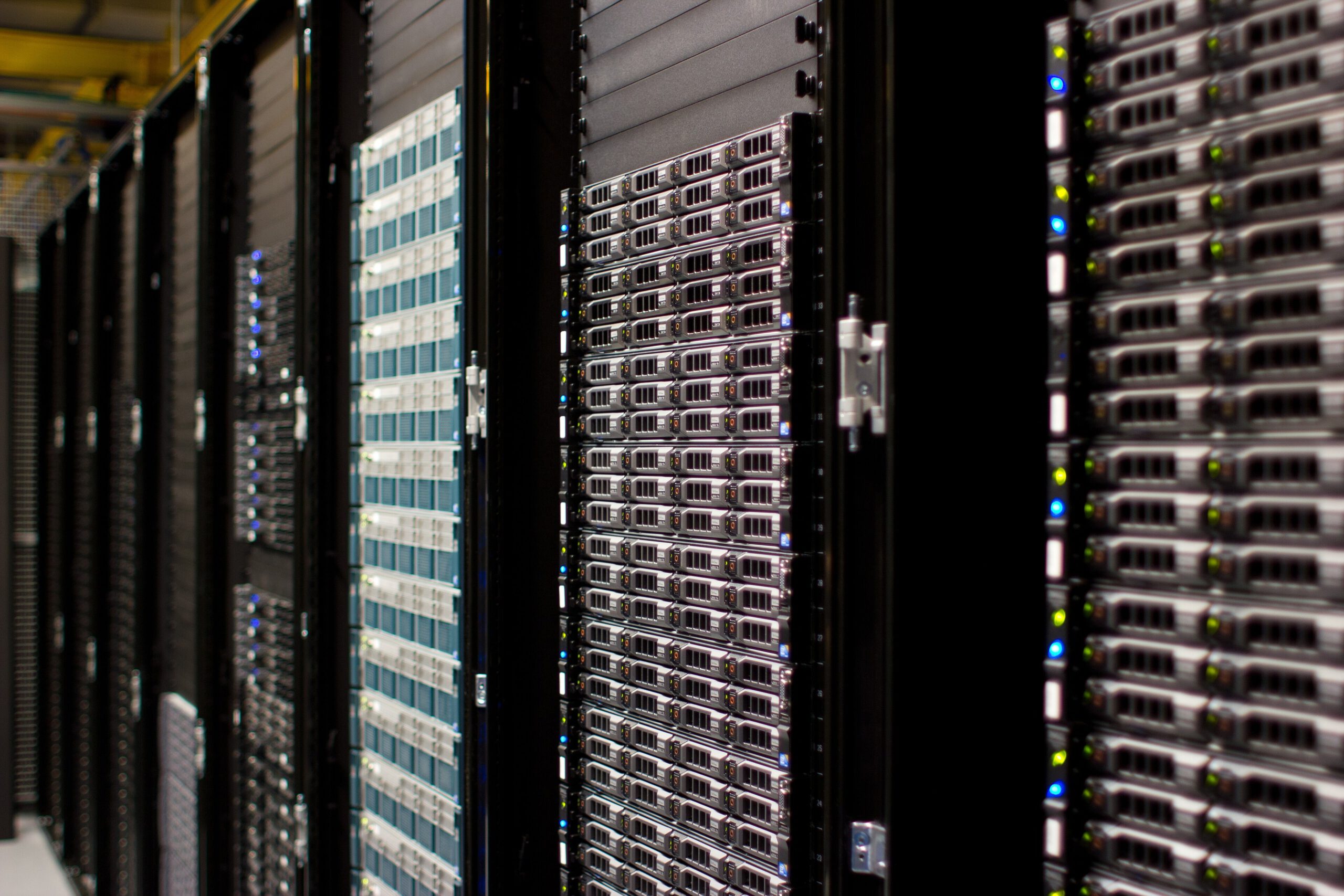
The numbers paint a stark picture. Enterprise customers—primarily AI-hungry hyperscalers building massive data centers—now represent 89% of Western Digital’s revenue. Consumer sales have shriveled to just 5%. Your weekend NAS project can’t compete with OpenAI‘s appetite for exabyte-scale storage.
These AI operations favor high-capacity HDDs because the alternative costs are insane. A 32TB enterprise SSD runs up to 16 times the price of equivalent HDD storage. When you’re storing training datasets that could fill small countries’ worth of data, every dollar per terabyte matters. Unfortunately, that leaves your 8TB media drive fighting for scraps.
The Price Pain Is Already Here
Hard drive costs have surged 46% since September, with worse to come.
HDD prices have jumped 46% since September 2025, hitting two-year highs. Lead times now stretch 12 months—order today, maybe get your drive next Valentine’s Day. This isn’t just a Western Digital problem; the entire storage ecosystem is under pressure as AI demand consumes production capacity faster than factories can expand.
The ripple effects are spreading beyond storage. Dell and Lenovo have already raised PC prices 15-20% as DRAM, NAND flash, and GPU shortages compound the crisis. According to Tobey Gonnerman from Fusion Worldwide, “Consumers can expect to pay significantly higher prices for laptops, mobile phones, wearables, and gaming devices very soon.”
Your Storage Strategy Needs Rethinking
Smart buyers are adapting to a new reality where cheap bulk storage is disappearing.
The old approach of buying massive HDDs for backup and media storage needs adjustment. Consider accelerating any planned storage purchases before prices climb further. That home lab expansion you’ve been postponing? The cost window is closing.
For new builds, weigh SSD options more seriously despite higher per-gigabyte costs. The performance benefits might justify the premium in a world where HDDs cost significantly more than before. The days of treating mechanical drives as disposable commodity storage are ending—at least until AI’s massive appetite for data storage finds cheaper alternatives.