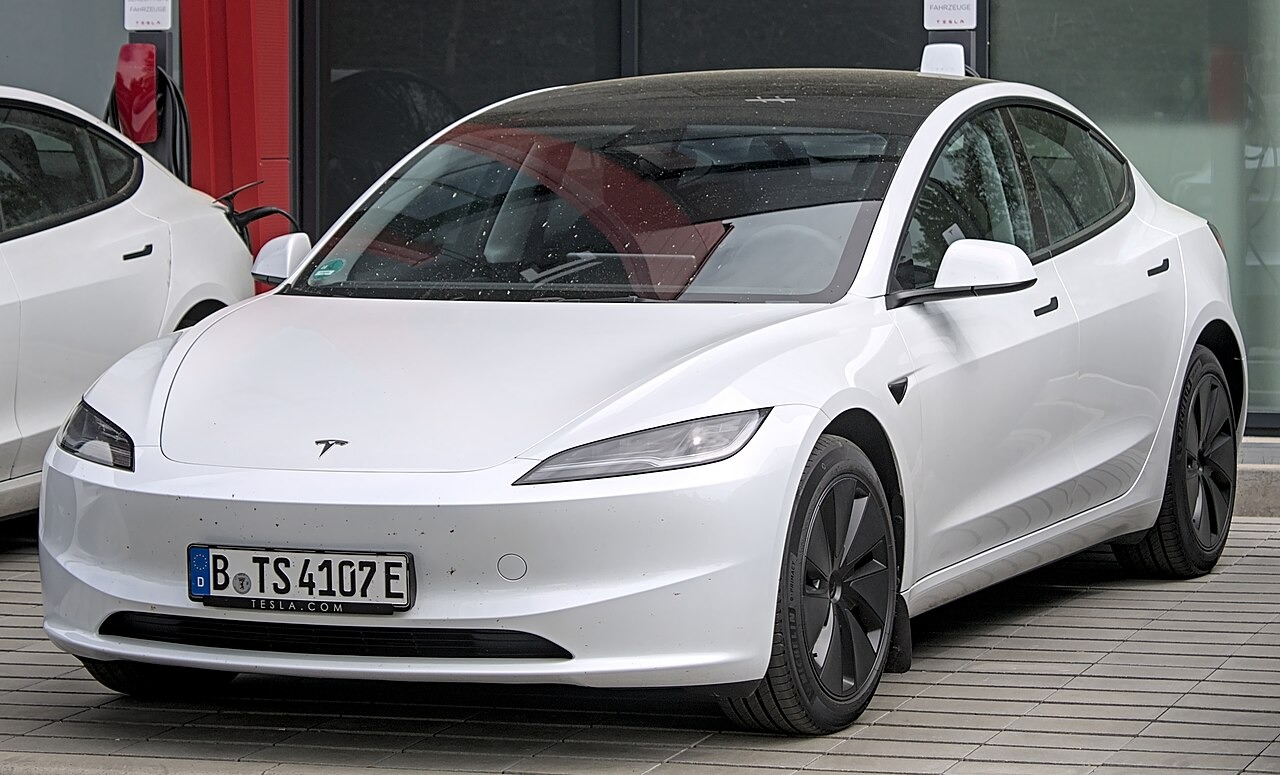
Tesla’s retail sales in China crashed 45% year-over-year in January to just 18,485 units—the lowest level since November 2022. While Tesla bulls might point to rising wholesale numbers, that figure conceals a fundamental problem: Chinese consumers are walking away from Tesla in droves, forcing the company to ship 73% of Shanghai’s production overseas just to keep the factory humming.
The Great Export Escape
Shanghai factory becomes Tesla’s global shipping hub as domestic demand evaporates
The wholesale numbers tell a story Tesla doesn’t want you to hear. Yes, Giga Shanghai produced 69,129 vehicles in January, up 9.3% year-over-year. But here’s the kicker: 50,644 of those cars—a staggering 73% of total production—immediately left China for export markets.
That export surge of 71% year-over-year isn’t a growth strategy; it’s damage control. As industry analysis reveals, “The wholesale number hides the problem… 73% of Giga Shanghai’s January output left the country.”
This export dependency reached its second-highest level ever, turning what should be Tesla’s crown jewel Chinese market, into essentially a manufacturing base for everyone else. That’s not exactly the victory lap Elon probably envisioned when Shanghai opened.
Xiaomi Eats Tesla’s Lunch
Chinese brands dominate rankings while Tesla models slide down charts
The competition isn’t just beating Tesla—they’re embarrassing it. Xiaomi’s YU7 topped January sales with 37,869 units, while their SU7 moved over 22,000 vehicles compared to roughly 8,000 Model 3s. Tesla’s Model Y managed 20th place overall, a humbling position for a vehicle that once ruled Chinese roads.
This isn’t just about one bad month. Tesla’s China market share slipped from 10% in 2024 to 8% last year, despite aggressive promotions including 0% financing deals. When you’re cutting prices and market share still shrinks, the message from consumers is pretty clear.
Policy Whiplash Amplifies Pain
Tax changes create December surge followed by January collapse
December’s record 93,843 domestic deliveries now look like a mirage created by policy timing. Chinese buyers rushed to purchase before the 5% NEV purchase tax returned on January 1, 2026, and trade-in subsidies expired.
The 80% month-over-month plunge from December’s high to January’s low reveals how dependent Tesla has become on artificial incentives rather than genuine consumer preference.
Tesla’s China troubles signal more than just regional challenges—they expose how quickly consumer loyalty evaporates when local competitors deliver fresher designs and better value. For investors watching TSLA, the export shuffle might maintain production volumes, but it can’t hide the reality that Tesla is losing its grip on the world’s largest EV market.