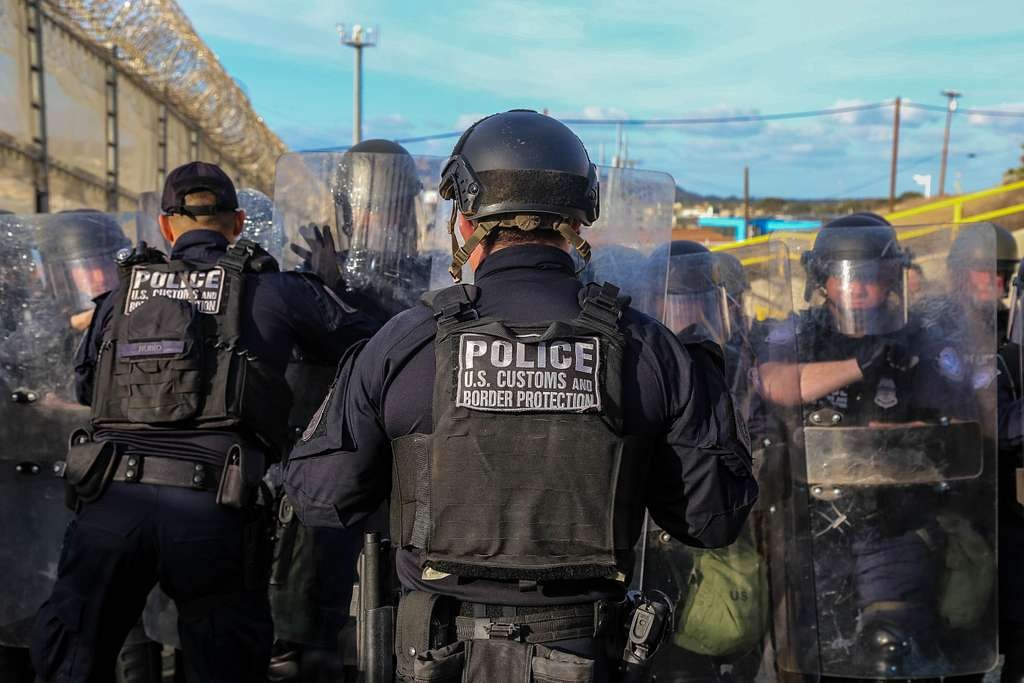
Your vacation selfies and family photos scattered across the internet just became part of a federal surveillance operation. U.S. Customs and Border Protection signed a $225,000 contract with Clearview AI, granting analysts unlimited access to a database of over 60 billion images scraped from social media platforms, websites, and apps.
The deal transforms casual photo sharing into potential government intelligence. This moves facial recognition from Hollywood dystopia into daily border enforcement reality.
Technical Flaws Plague High-Stakes Identification
The technology powering this surveillance expansion carries serious accuracy problems. NIST testing showed Clearview performs well on high-quality social media photos but generates error rates exceeding 20% on grainy, poorly lit images typically captured at border crossings.
These false matches could trigger investigations, detentions, or worse—all based on algorithmic guesswork. Border Patrol’s INTEL division and the National Targeting Center now rely on this flawed system for “tactical targeting” and “strategic counter-network analysis.”
Government Surveillance Gets an AI Upgrade
This isn’t an isolated purchase. Immigration and Customs Enforcement signed their own $9.2 million Clearview contract in September 2025, while DHS inventory lists facial recognition alongside Palantir surveillance tools.
What started as border security has evolved into comprehensive domestic surveillance infrastructure. The technology integrates with existing systems like the Automated Targeting System, embedding AI-powered face matching into analysts’ daily workflows.
Privacy Advocates Sound the Alarm
“The use of Clearview AI by federal agencies is essentially mass surveillance laundered through a private company,” warned Albert Fox Cahn from the Surveillance Technology Oversight Project. Senator Ed Markey introduced legislation banning ICE and CBP from using facial recognition technology.
The contracts include nondisclosure agreements but lack details about which photo types get analyzed, whether U.S. citizens face scrutiny, or how long biometric data gets retained.
Your Digital Footprint Becomes Government Property
Every photo you’ve posted, been tagged in, or appeared in publicly online potentially feeds this system. Clearview scraped images from platforms like Facebook, Instagram, and dating apps—creating a massive identification database without asking permission.
Unlike Ring doorbell footage cops request or Apple data they subpoena, this surveillance happens before any crime occurs. Your face becomes part of the infrastructure, catalogued and cross-referenced against anyone CBP decides to investigate.