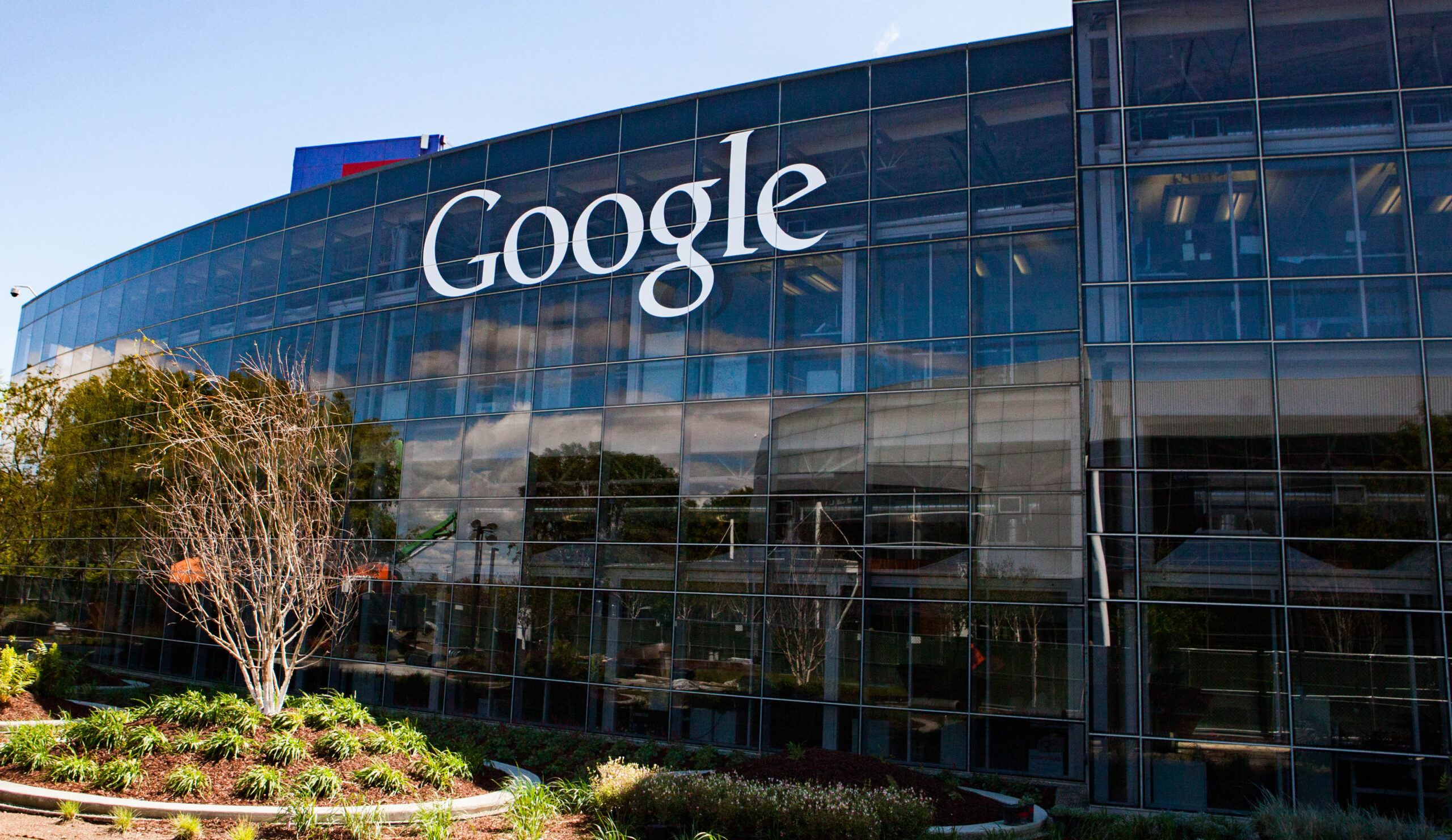
Administrative subpoenas were designed for routine investigations, but ICE is weaponizing them against student journalists who dare criticize the government. Google just proved how willingly Big Tech enables this surveillance creep.
Here’s what happened: British graduate student Amandla Thomas-Johnson attended a single pro-Palestinian protest at Cornell in 2024. Fast-forward to March 2026, and ICE issued an administrative subpoena demanding his comprehensive Google data—usernames, physical addresses, IP addresses, phone numbers, and complete financial records including credit card and bank account numbers. Google complied immediately, then notified Thomas-Johnson only after handing over everything. The timing reveals coordination: ICE’s data demand arrived within two hours of Cornell notifying Thomas-Johnson that his student visa had been revoked, according to The Intercept.
The Voluntary Surveillance Partnership
Tech companies choose compliance over user protection when no legal obligation exists.
Here’s the kicker that should alarm anyone storing data on Google’s servers: administrative subpoenas carry zero legal enforcement power. Unlike court-issued warrants, these agency demands can’t compel companies to turn over user information. Google chose to comply voluntarily while hiding behind claims of “legal obligations” that simply don’t exist. The Electronic Frontier Foundation sent letters to major tech companies last week, stating they’re “deeply concerned your companies are failing to challenge unlawful surveillance and defend user privacy and speech.” Thomas-Johnson, who fled the U.S. over deportation fears, now continues his Cornell Ph.D. remotely from abroad.
When Protest Becomes Pretext
Government agencies are building surveillance networks through corporate partnerships targeting political dissidents.
This isn’t isolated harassment—it’s systematic political targeting disguised as immigration enforcement. ICE has deployed hundreds of these voluntary data requests annually, often seeking location information to track individuals critical of Trump administration policies. Thomas-Johnson believes his journalism background covering U.S. counterterrorism policies, including Guantanamo Bay reporting, contributed to government interest beyond his protest attendance. Cornell University has refused to clarify whether his institution-managed Gmail account was also subpoenaed, leaving students wondering what data their schools might quietly surrender.
You’re watching the normalization of corporate-government surveillance partnerships that transform protest participation into deportation grounds. As Thomas-Johnson warned: “We need to think very hard about what resistance looks like under these conditions where government and Big Tech know so much about us, can track us, can imprison, can destroy us in a variety of ways.” International students are already reconsidering political engagement—exactly the chilling effect this surveillance machinery intends to create.