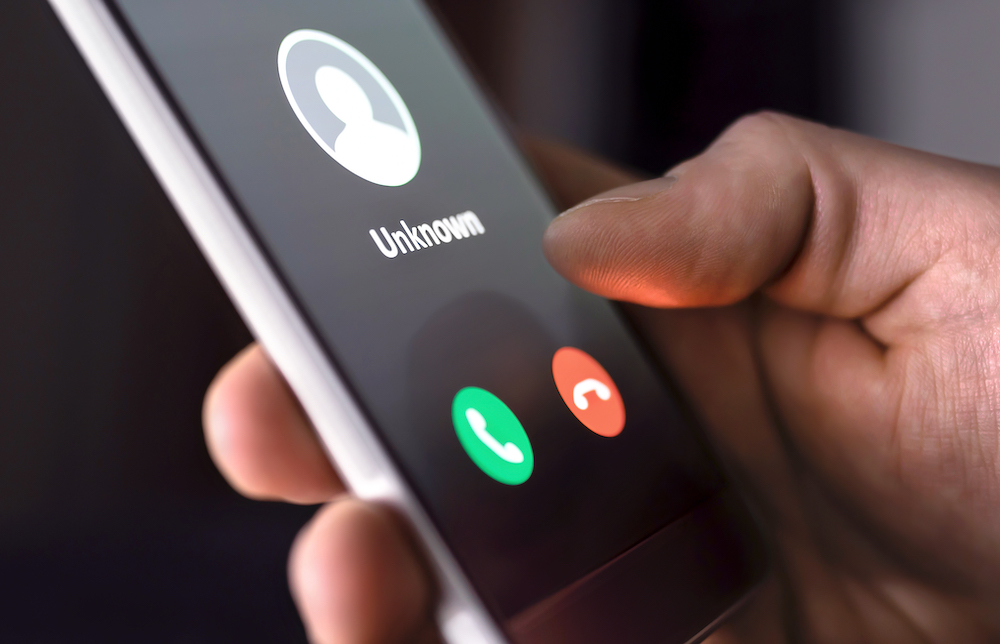
Your phone rings at 9 PM. Mom sounds panicked about suspicious account activity that required immediate action. She clicked the link, entered her banking details, and now feels sick about it. This exact scenario plays out thousands of times daily because scammers have cracked the code on senior trust.
The Message That Fools Everyone
Seniors grew up trusting banks, government agencies, and established institutions. Scammers weaponize this trust through messages that perfectly mimic legitimate communications. Fake bank alerts and Medicare notifications succeed because they include:
- Authentic-looking logos
- Official language
- Urgent timeframes that mirror real institutional communications
Your grandmother doesn’t question the message because Chase actually does send account alerts—just not the fake ones demanding immediate password updates.
The Urgency Trap Works Every Time
Scammers create artificial emergencies that demand split-second decisions. “Your account will be frozen in 2 hours unless you verify immediately” triggers panic responses that bypass normal skepticism. Seniors often act quickly on these messages because they fear losing access to essential services. Unlike younger generations who grew up questioning everything online, many seniors approach digital communications with the same trust they’d show a bank teller or government official.
Technology Gaps Become Weapons
Most seniors can’t easily spot spoofed email addresses, suspicious URLs, or grammatical tells that scream “fraud” to digital natives. Many seniors over 70 struggle to identify phishing attempts that younger users catch immediately. Scammers exploit this gap by using sophisticated templates that look increasingly legitimate. Your dad might notice a sketchy check or suspicious door-to-door salesman, but that urgent “IRS payment required” email looks official enough to fool him.
Protection Starts With Family Conversations
The solution isn’t making seniors more tech-savvy overnight—it’s establishing simple security protocols. Before responding to any urgent digital message, they should call the institution directly using numbers from official websites or statements, not contact info from the suspicious message itself. Family members can help by setting up these verification habits and regularly discussing new scam trends. Remember: scammers evolve their tactics constantly, but the verification principle remains your best defense against their next invention.