Turning your enemy’s weapon against them sounds like something from a Marvel movie, but Swedish researchers just pulled off this strategy in real life. Scientists at Umeå University discovered that MakA—a toxin produced by the cholera bacterium Vibrio cholerae—can significantly reduce colorectal tumor growth without harming healthy tissue. This matters because colorectal cancer ranks as the third most common cancer globally and the second deadliest, affecting 10% of all cancer diagnoses worldwide. Current treatments often feel like controlled demolition of your entire system, driving desperate searches for targeted alternatives.
Double-Barreled Attack Strategy
The toxin works like a smart missile with a two-stage warhead against cancer cells.
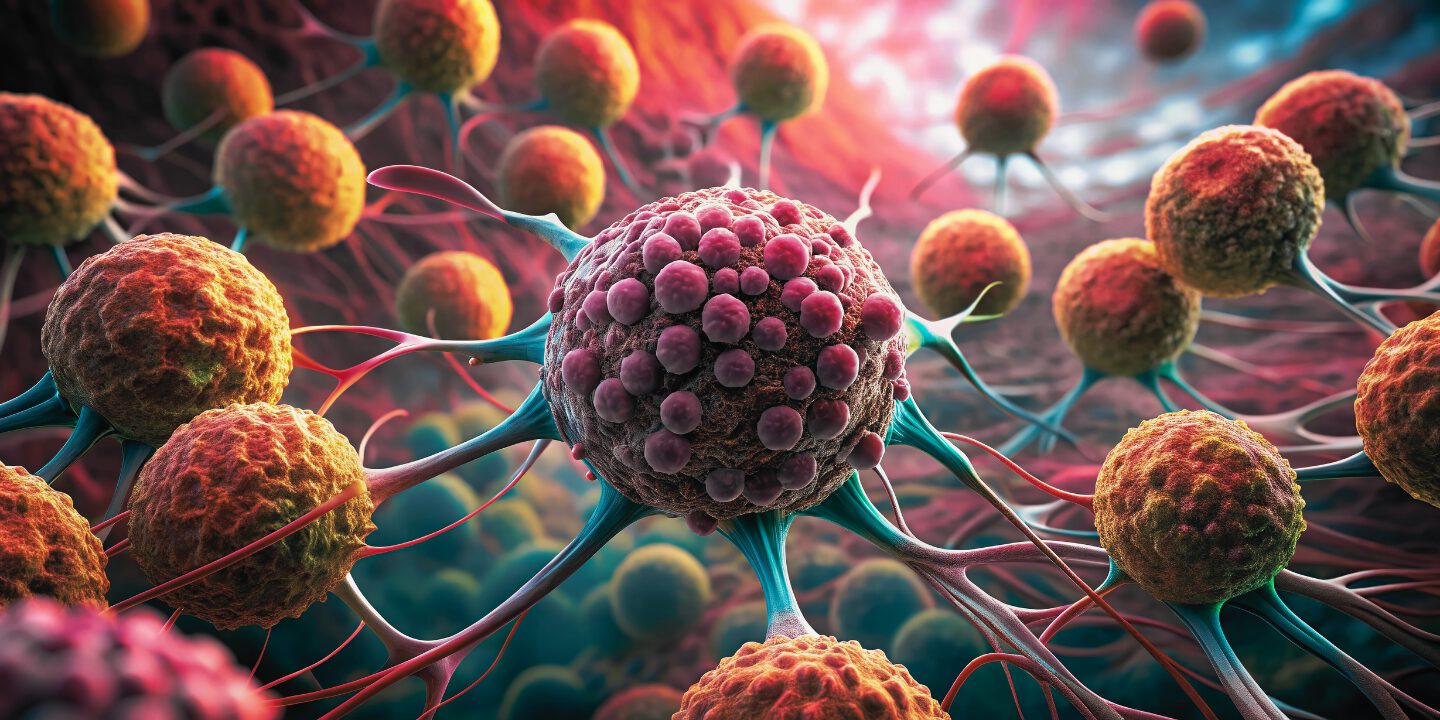
MakA doesn’t just kill cancer cells directly—it rewrites the entire battlefield. In mouse studies, the toxin accumulated specifically in tumor tissue while leaving healthy cells untouched, like a GPS-guided therapeutic strike. “The substance not only kills cancer cells directly. It reshapes the tumor environment and helps the immune system to work against the tumor without damaging healthy tissue,” explains Sun Nyunt Wai, professor of medical microbial pathogenesis at Umeå University.
The toxin essentially turns the tumor’s own neighborhood against it, recruiting immune cells like macrophages and neutrophils to join the fight. This dual mechanism—direct cancer cell killing plus immune system enhancement—represents a significant advancement over treatments that rely solely on one approach.
Zero Collateral Damage
Unlike chemotherapy, this approach spares your body from becoming a war zone.
Here’s where this gets genuinely exciting for anyone who’s watched loved ones endure cancer treatment. The researchers observed no adverse effects on body weight, organ function, or systemic inflammation, even after repeated dosing in NOD/SCID mouse models. Compare that to traditional chemotherapy, surgery, and radiation, which can feel like carpet bombing your entire system to eliminate cancer cells.
The selectivity resembles how modern antivirus software targets specific threats without slowing down your computer—except the stakes involve your actual survival. This precision targeting could revolutionize how you approach cancer treatment decisions.
From Lab Bench to Medicine Cabinet
The research shows promise but still needs human testing before reaching patients.
Published in Cell Death & Disease, this work represents years of investigation into bacterial toxin repurposing. Saskia Erttmann, another key researcher, notes the potential for developing “a new type of cancer treatment” using bacterial substances to both kill cancer cells and boost natural defenses. However, the treatment remains in preclinical stages, tested only in specialized mouse models.
Further research will determine effectiveness across other cancer types and establish proper dosing for eventual human trials. The timeline for human clinical trials remains uncertain, requiring extensive safety studies first.
The broader trend of weaponizing nature’s most dangerous compounds against disease continues gaining momentum in precision medicine. For the millions facing colorectal cancer diagnoses, this research offers hope for treatments that target tumors like precision strikes rather than scorched-earth campaigns.