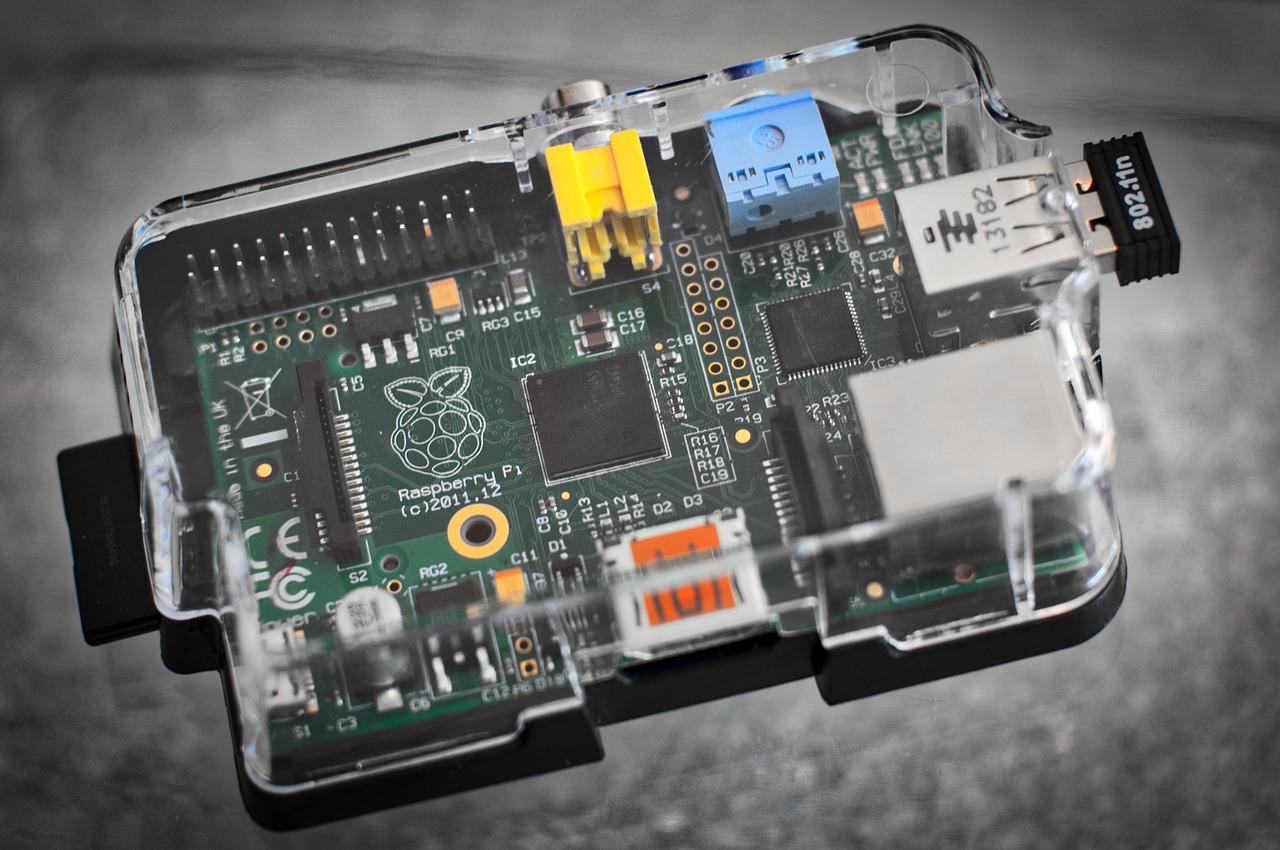
Your weekend robotics project just got a lot more expensive. Raspberry Pi announced its second price hike in three months, with 16GB models jumping another $60 as AI data centers monopolize memory supplies. The Pi 5 16GB now costs $205—a brutal 70% increase from its original $120 price tag. Meanwhile, that Arduino sitting in your drawer is looking smugger by the day.
AI Boom Starves Hobbyist Hardware
LPDDR4 memory costs more than doubled last quarter as AI infrastructure gobbles up supply chains. Memory manufacturers chase fat margins from data center deals, leaving single-board computers fighting for scraps. CEO Eben Upton describes the squeeze as “painful but ultimately temporary”—though that’s cold comfort when your smart home budget just exploded.
The shortage echoes the GPU crisis during crypto’s peak, except this time it’s hitting the affordable computing that powers classrooms and garage workshops.
Tiered Pain Hits Higher-End Models Hardest
The price bumps scale mercilessly with memory density:
- 1GB Pi 4 or Pi 5 stays unchanged at $35-45
- 2GB models climb $10
- 4GB versions rise $15
- 8GB units jump $30
- 16GB variants absorb the biggest hit at $60 more
Compute Modules and the new Pi 500+ desktop follow similar patterns, pushing the latter toward $280 at some resellers. Legacy products like the Pi 400, Pi Zero lineup, and older Pi 3 models dodge increases entirely thanks to different memory architectures or existing inventory stockpiles.
Makers Face Affordability Crisis
These hikes threaten Raspberry Pi’s core mission of democratizing computing. Teachers planning programming curricula now face budget math that doesn’t add up, while makers eye Chinese alternatives like Orange Pi with renewed interest.
Industrial developers embedding Pi boards in IoT products confront margin squeeze that could force design changes. The foundation’s commitment to unwinding prices once AI demand normalizes offers hope, but Upton warns 2026 will remain “challenging” as supply chains rebalance.
The irony cuts deep: AI’s quest to revolutionize computing is pricing out the very platforms that taught millions to code in the first place. For budget-conscious makers, exploring DIY computing alternatives becomes increasingly essential.