
For riders over 50, motorcycle safety isn’t just a good idea; it’s like upgrading your character stats in real life. Recent industry data shows a significant portion of US riders fall into this age bracket, proving that the open road calls to those with experience. But let’s face it: reaction times aren’t getting any faster, and those joints could use some extra attention.
That’s why we’ve compiled essential safety tips, vetted like an Oscar contender. These aren’t garden-variety suggestions; we’re talking real, actionable advice to keep you upright and injury-free as you chase that perfect plate of tacos across state lines. Ready to ride smarter, not harder?
7. Warm-up routines
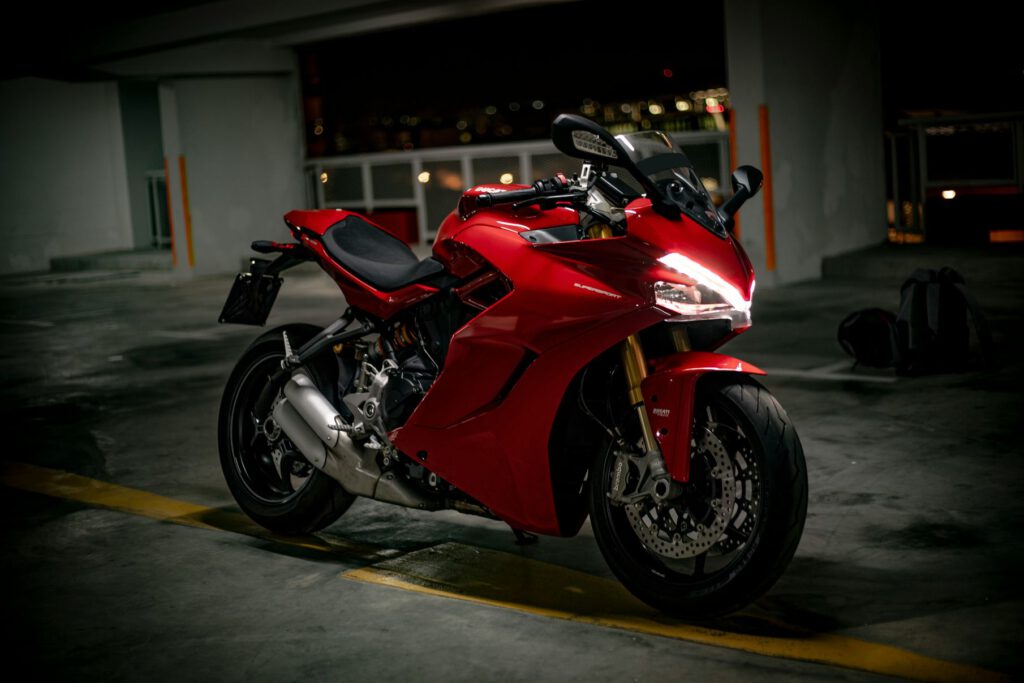
Your body and bike both deserve a proper greeting before hitting the road.
Given that many motorcycle riders are over 50, creaky joints are basically part of the uniform. Regular stretching and warming up your body—and your bike—before hitting the road isn’t some yoga-mom suggestion; it’s crucial for flexibility and control. Think of it as foreplay for your ride: nobody wants to dive in cold.
Planning to ride 300 km (186 miles) to that perfect bowl of ramen? A quick stretch can be the difference between savoring the broth and cursing every pothole. Make this part of your pre-flight ritual, not some “nice to have” afterthought.
6. Protective Gear
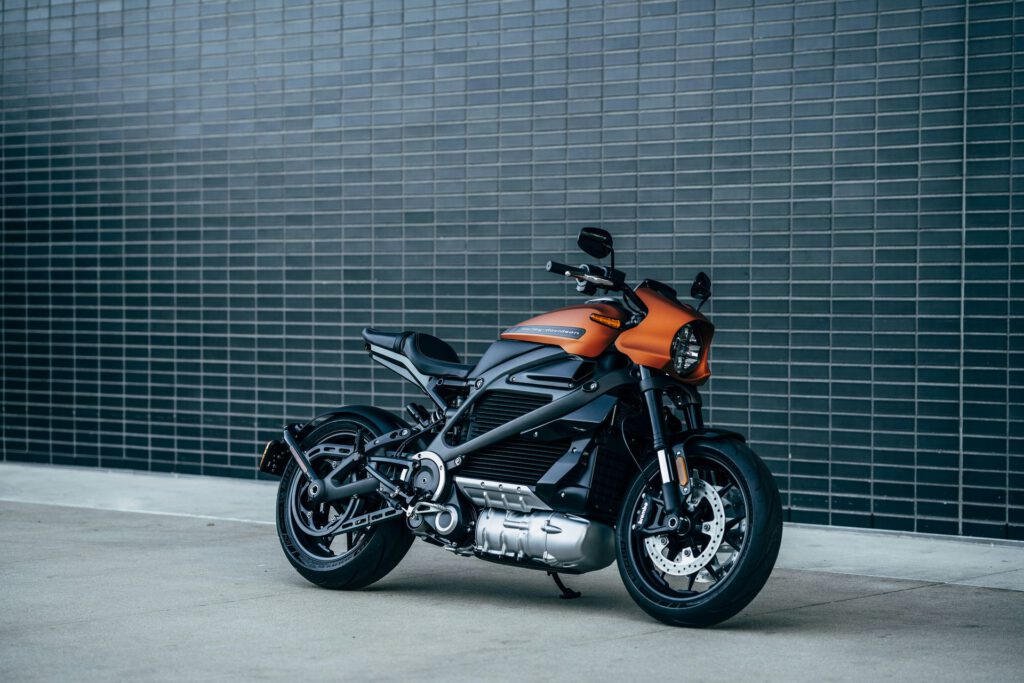
Armor up like you’re heading into battle, because asphalt doesn’t negotiate.
“Dress for the slide, not the ride,” as the saying goes. If bones mend slower than phone charges, investing in proper protective gear is non-negotiable. Start with a DOT-approved full-face helmet, because concussions are definitely not on the menu during culinary tours.
Next up: an armored jacket and pants combo. Think of it as a wearable security blanket. Don’t forget the gloves and sturdy ankle boots. If cruising through wine country, consider swapping usual leather for an airbag jacket. Think of it as your personal “do-over” button in case things go south.
5. Health Monitoring
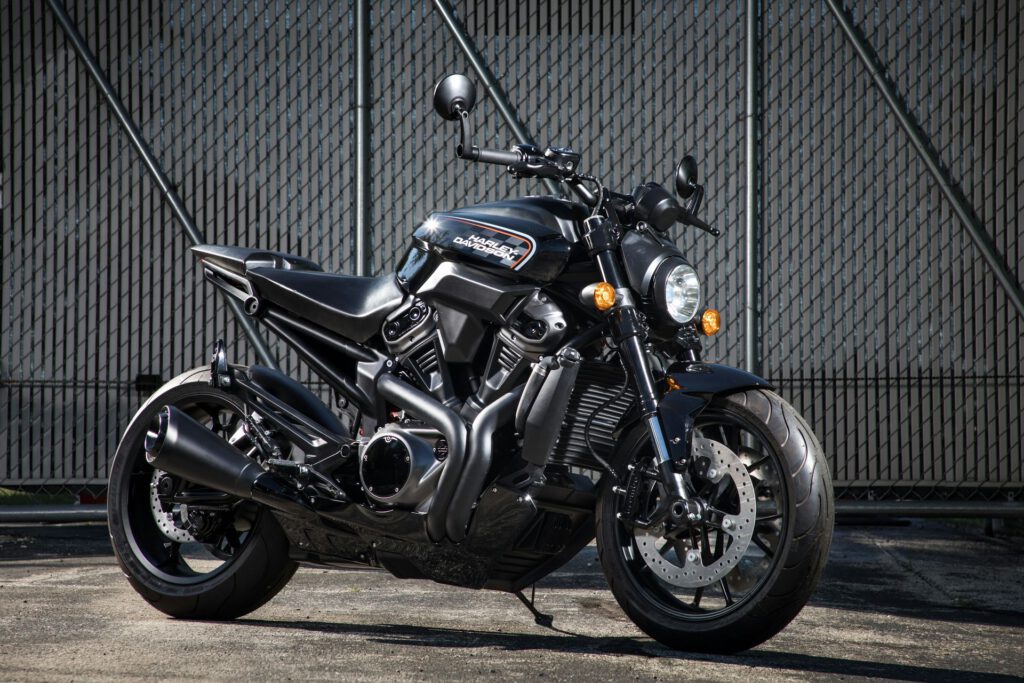
Image: Unsplash
Keep tabs on your body like a helicopter parent tracking screen time.
Want to keep chasing Michelin stars on two wheels? Motorcycle safety experts note that riders over 50 face heightened risks due to slower reflexes and changes in bone density. Incorporating regular health checks becomes less optional and more like checking the oil—preventive maintenance for the long haul.
Start with the basics: medication monitoring and vision/hearing checks. Missing that hairpin turn because meds made you drowsy, or that farm-to-table market due to failing eyesight, isn’t worth it. Regular check-ups aren’t just about ticking boxes; they’re about extending culinary adventures.
4. Bike Setup Enhancements
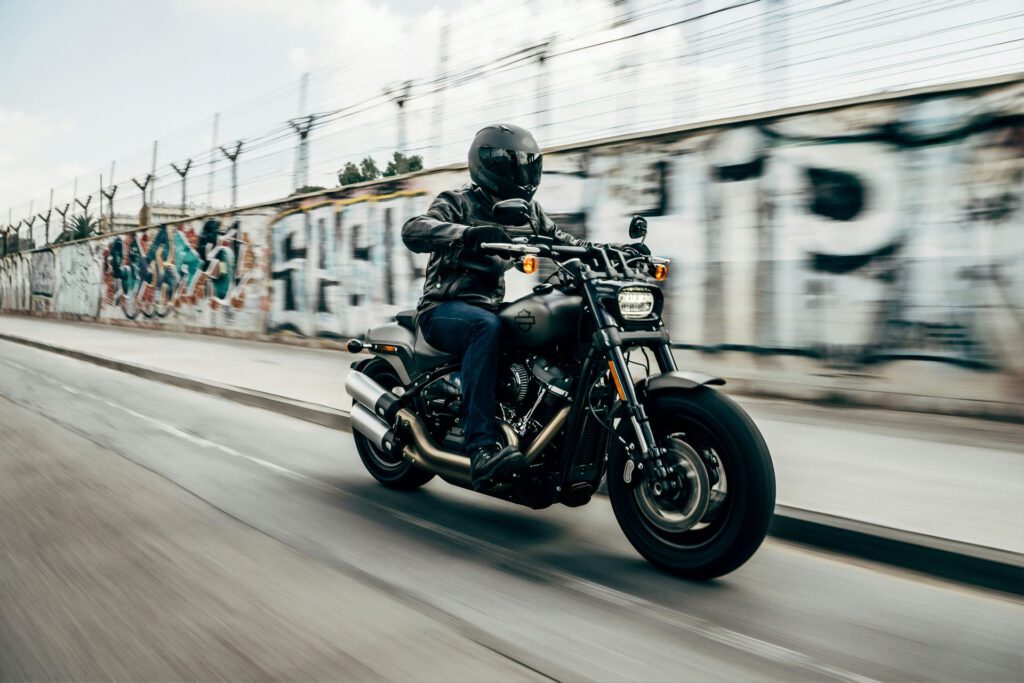
Image: Unsplash
Comfort isn’t luxury; it’s survival when you’re logging serious miles.
For riders chasing that perfect bite of cacio e pepe halfway up a mountain, bike comfort is key. Instead of toughing it out on a stock setup that feels like medieval torture, consider ergonomic upgrades. Lower seats can shave off crucial inches for easier ground access, especially handy when wearing heavy touring boots.
Gel pads offer a cushier alternative to standard seats, soaking up road vibrations like a sponge at a wine tasting. Heated grips turn chilly rides into cozy experiences, while beach bars let you steer like you’re driving a La-Z-Boy.
3. Increased Following Distances
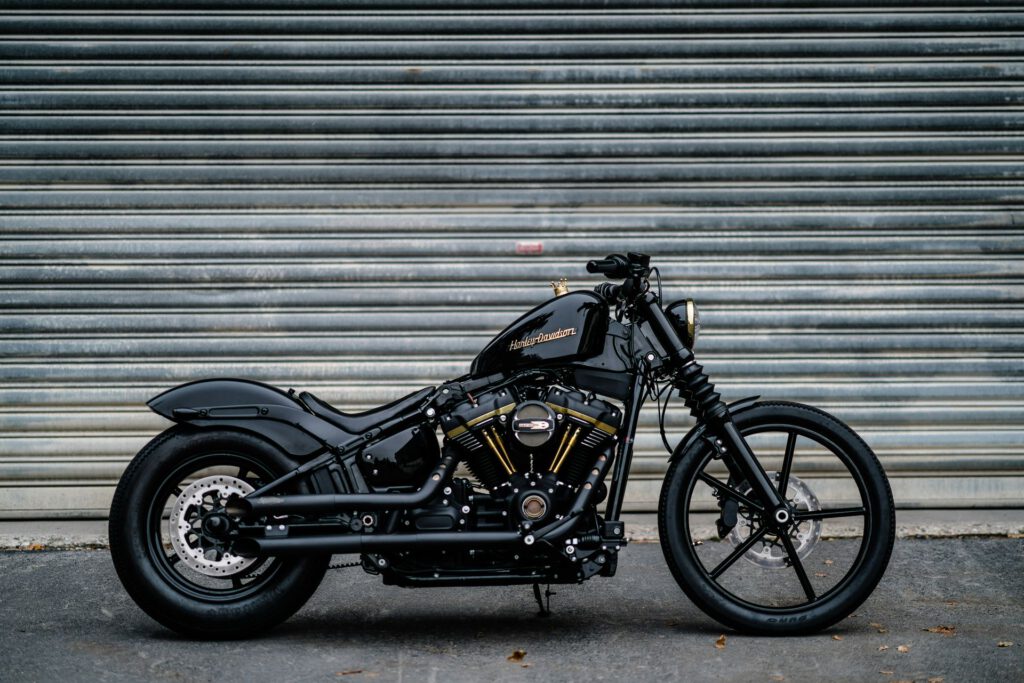
Image: Unsplash
Give yourself more buffer than a diplomatic dinner conversation.
Think of reflexes like that friend who’s always “5 minutes away” but shows up an hour late. For riders over 50, reaction times can slow, meaning what used to be instinct now needs extra asphalt. Increase following distances to compensate, and brake like you’re trying to avoid spilling expensive wine.
If cruising to a BBQ festival and the car ahead slams on its brakes because someone spotted a new rib joint, you’ll want that buffer. Monitoring health, increasing following distances, and braking earlier helps you stay upright and tasting brisket for years to come.
2. Breaks and Shorter Segments
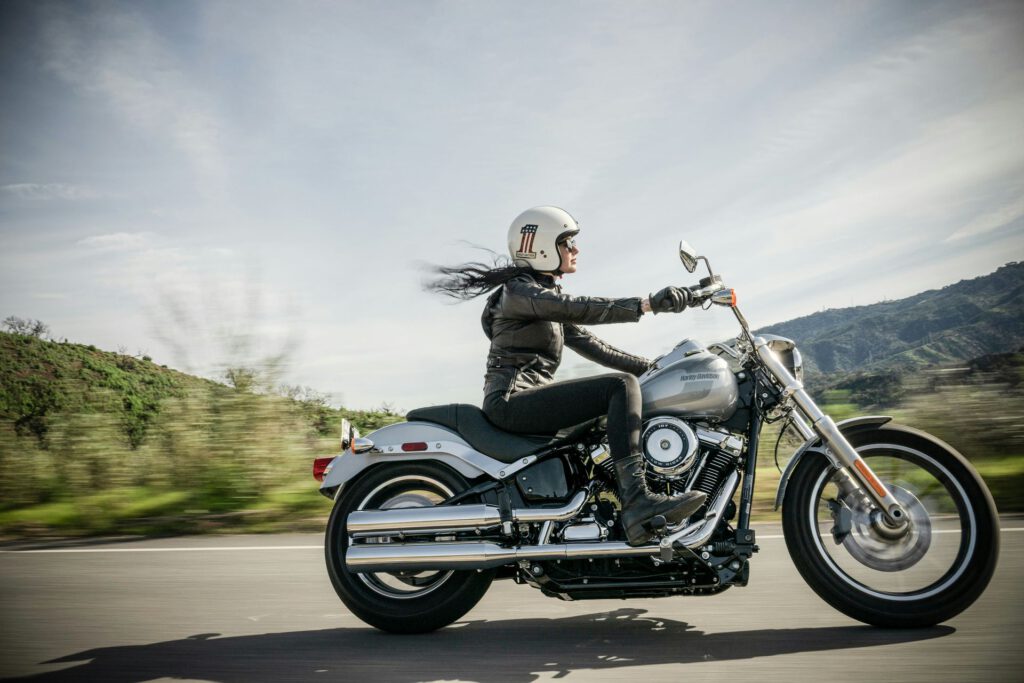
Image: Unsplash
Pace yourself like a marathon runner who actually wants to finish.
For riders over 50, planning shorter routes and frequent stops isn’t just a suggestion—it’s how you avoid turning a culinary tour into a first-class ticket to physical therapy. Think of your body like a temperamental Italian sports car: push it too hard, and things start breaking down faster than you can say “roadside assistance.”
Powering through to that famous BBQ joint 3 states over sounds heroic until you arrive too stiff to enjoy the experience. Avoid the scenario where you’re so exhausted that even the best smoked brisket tastes like cardboard. Plan breaks and hit up that quirky pie shop halfway there.
1. Low-Speed Maneuver Practice
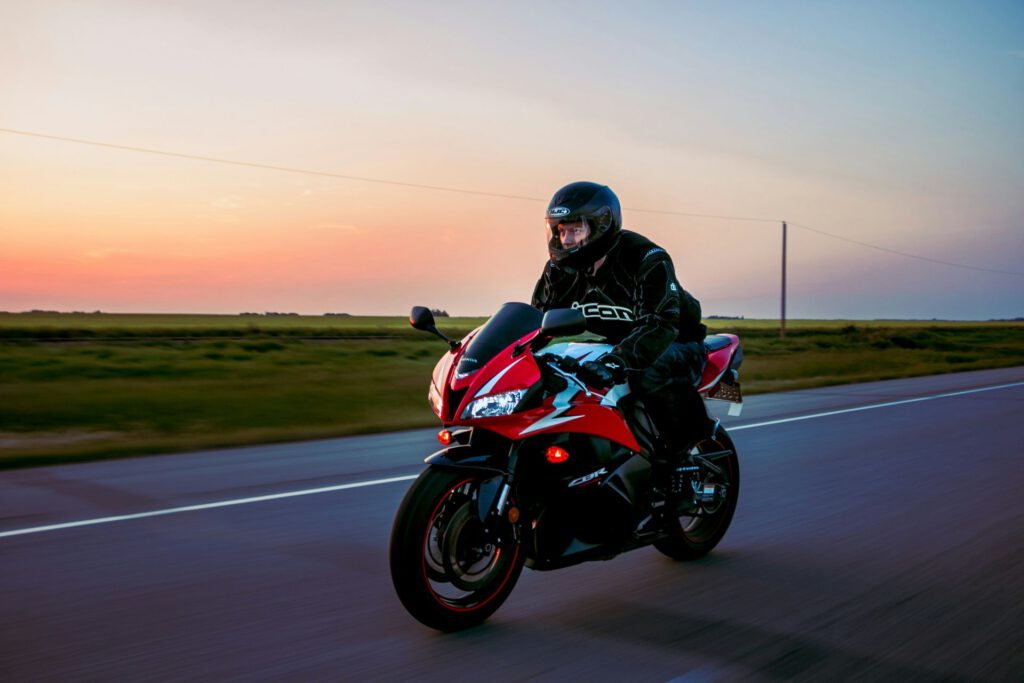
Image: Unsplash
Polish those parking lot skills like they’re heirloom silverware.
Maintaining slow-speed skills is like flossing: everyone knows they should, but few do it religiously. Think of it as motorcycle yoga. Motorcycle safety advocates emphasize that enhancing bike setup, practicing low-speed maneuvers, and enrolling in safety courses are necessary to sustain travel reliability.
Picture navigating a packed Italian marketplace; dodging Vespas is tough enough without clutch control resembling a caffeinated toddler. Regular practice sharpens reactions, making you less likely to drop your 250 kg (550 lb) beast when a scooter cuts you off. Safety courses aren’t just for newbies; they’re tune-ups for experienced riders, like software updates for your brain.