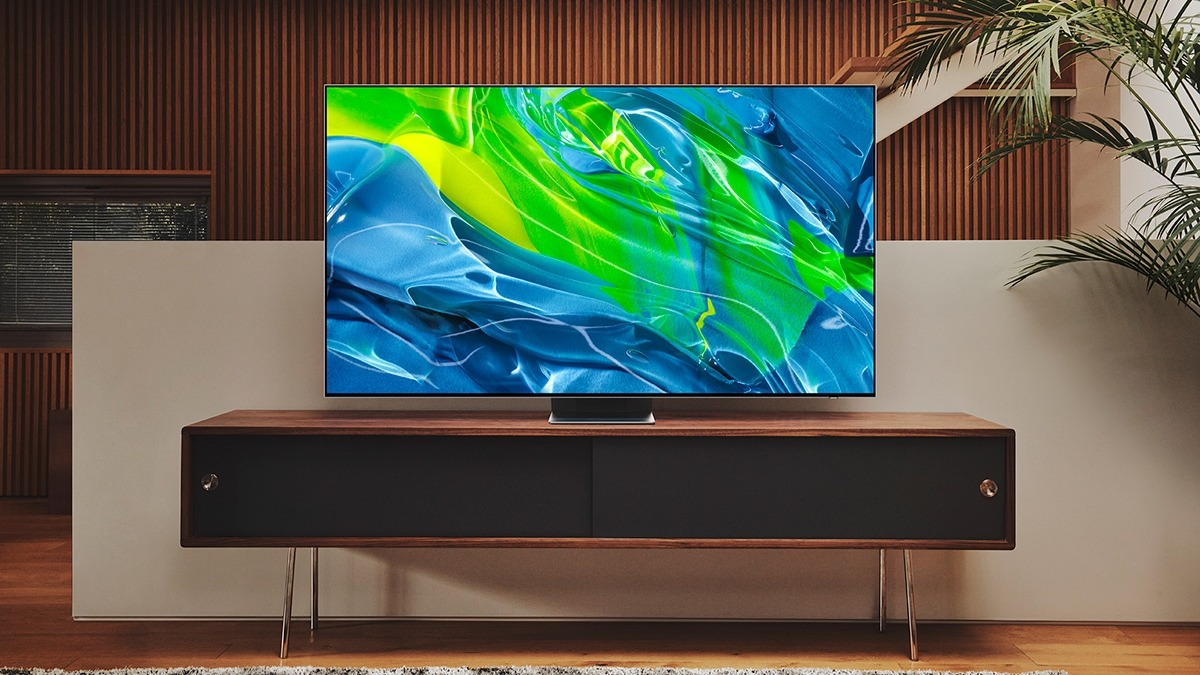
Remember when you were told your perfectly good 4K television was already “obsolete”? When industry evangelists insisted 8K was the inevitable future of home entertainment? Turns out your skepticism was spot-on.
The television industry has quietly abandoned its decade-long 8K crusade. Major manufacturers are exiting the market in droves, shipment numbers have collapsed, and the technology that was supposed to revolutionize your living room has become a cautionary tale about marketing hype versus market reality.
The Numbers Don’t Lie — 8K Is Dead
The collapse happened fast and brutal. After peaking at 400,000 units shipped globally in 2022, 8K TV sales plummeted 35% in 2023, then another 45% in 2024. Those aren’t correction numbers — that’s a market in freefall.
Only 1.6 million 8K TVs have sold worldwide since 2015. Compare that to nearly one billion 4K televisions currently in use globally, and you see the scale of this miscalculation.
- LG Display announced it’s ceasing all 8K panel production in 2025
- Sony discontinued its final 8K models in April 2024
- The 8K Association, once boasting 33 member companies, has shrunk to just 16 — and only two are TV manufacturers
The Content Desert That Killed the Dream
Picture this: you drop five grand on an 8K television, bring it home, and discover there’s virtually nothing to watch in native 8K. No Netflix shows. No broadcast television. Even the PlayStation 5 Pro quietly removed its promised 8K support in June 2024.
This wasn’t some unforeseen technical hurdle — it was entirely predictable. Content creation in 8K requires massive infrastructure investment with no clear revenue path. As Bob O’Brien of Counterpoint Research noted, “it’s not necessarily the lack of 8K content being a major factor, but more so the expensive nature of the sets.”
Science Confirms What Your Eyes Already Knew
Cambridge University and Meta published research in October 2024 that devastated 8K’s value proposition. You can only perceive 8K resolution on a 50-inch screen when sitting 3.3 feet away — closer than most people sit to their laptop. For larger screens, you’d need to position yourself uncomfortably close to notice any difference.
Meanwhile, EU power consumption regulations forced manufacturers to reduce brightness on 8K sets. The technology promoted as superior actually delivered a worse viewing experience than 4K alternatives.
Your instincts were right. The industry’s retreat to OLED improvements, quantum dot technology, and HDR enhancements — features with immediately perceptible benefits — proves that resolution wars hit a wall that marketing couldn’t breach.