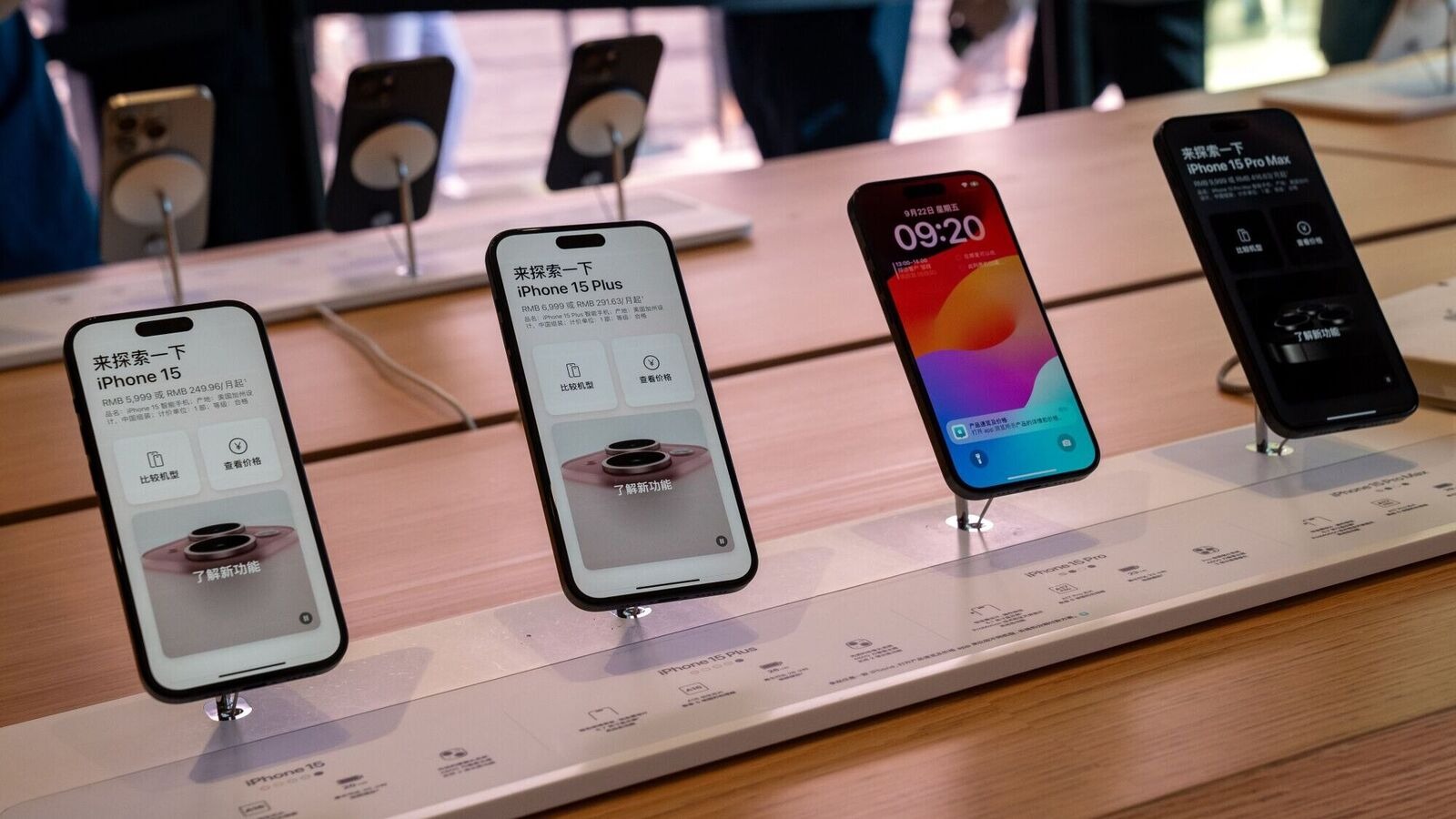
Seven out of ten. That’s how many spots Apple claimed in 2025’s best-selling smartphone rankings, turning the global market into its personal showcase.
The iPhone 16 led by a wide margin, followed by the 16 Pro Max and 16 Pro in a clean sweep of the podium. Even more striking: Apple managed this dominance while Samsung’s Galaxy S25 Ultra—supposedly a flagship killer—limped into ninth place. Your phone upgrade decisions just got a lot clearer, whether you like it or not.
Market Share Earthquake
Apple overtakes Samsung in global shipments for the first time in 14 years.
Apple didn’t just win individual models—it captured 20% of global market share with 247.8 million units shipped, growing 10% year-over-year. Samsung managed 19% with 241.2 million units, up a more modest 5%. This marks Apple’s first shipment leadership over Samsung since 2011, when the smartphone wars were still being fought with lawsuits instead of AI cameras.
The shift happened because premium buyers keep choosing iOS, even as Samsung’s budget phones fill shopping carts worldwide. Apple’s complete top 10 roster included:
- iPhone 17 Pro Max in fourth
- iPhone 17 in sixth
- iPhone 15 in eighth
- iPhone 16e in tenth place
The Mid-Range Reality Check
Samsung’s best-sellers weren’t flagships—they were budget phones most people actually buy.
Here’s the uncomfortable truth about smartphone preferences: Samsung’s Galaxy A16 5G claimed fifth place as the year’s best-selling Android phone, while the Galaxy A06 4G took seventh. These aren’t the phones getting YouTube reviews or Reddit threads—they’re what your relatives buy at carrier stores.
Samsung’s premium Galaxy S25 Ultra barely cracked the top 10, proving that Instagram-worthy camera systems matter less than monthly payment plans. Apple’s iPhone 16e at $599 showed similar wisdom, offering core iOS capabilities without the Pro price tag.
Consumer Loyalty Runs Deep
2025 sales patterns mirrored 2024 almost exactly, just with newer model names.
The top five rankings stayed identical to 2024, swapping only generational updates. iPhone 17 series sales jumped 16% higher than predecessors in their first full quarter, driven by strong demand in the US, Western Europe, and China. According to Counterpoint Research’s Varun Mishra, “Apple’s growth was supported by a stronger product mix”—analyst-speak for people paying premium prices without flinching.
This consistency suggests smartphone buyers have made peace with their ecosystem choices, reducing the drama that once defined upgrade seasons.
Planning your 2026 purchase? Memory chip shortages might contract the overall market by 3%, potentially pushing more buyers toward flagships as budget options thin out. The iPhone-Samsung duopoly shows no signs of weakening, which means your next phone decision remains frustratingly predictable.