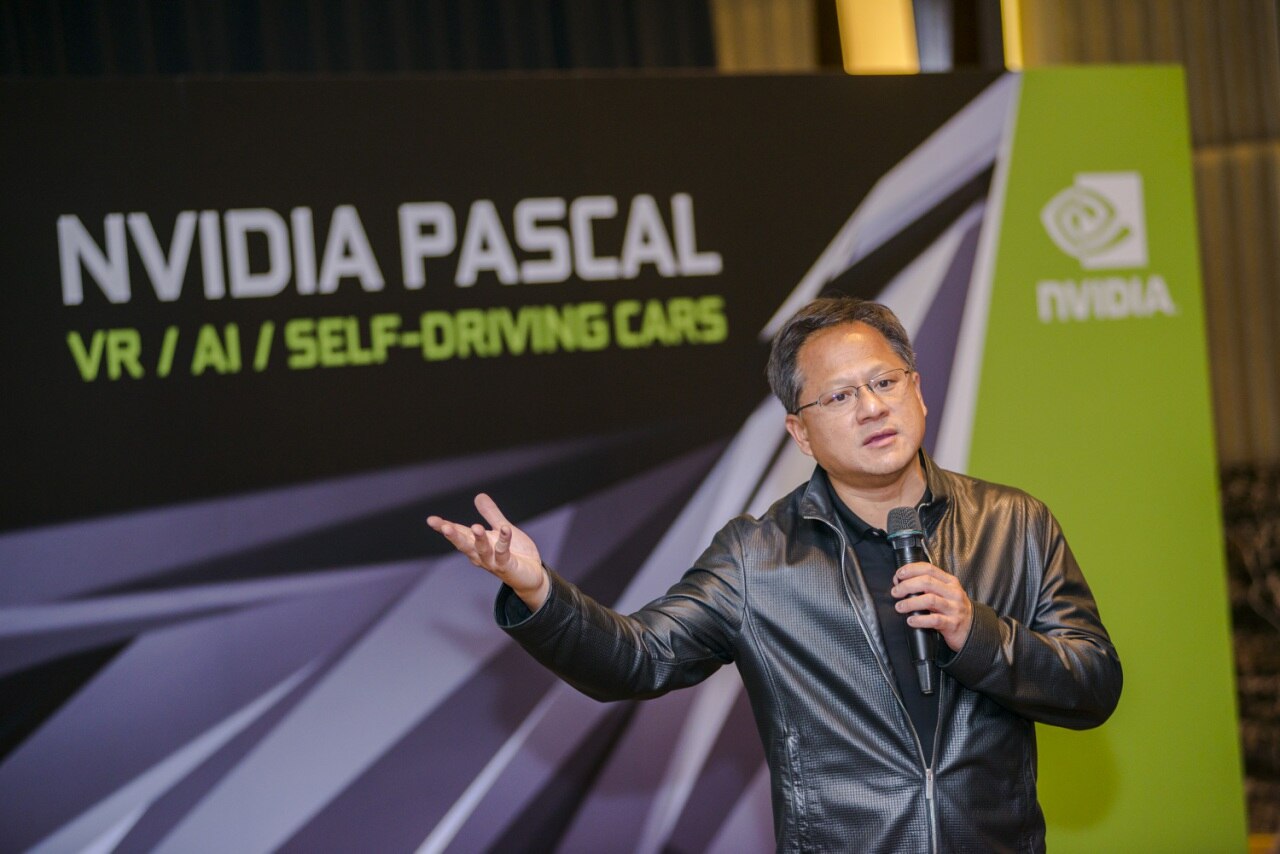
Power grids can’t handle AI’s appetite, and Nvidia’s CEO just served Wall Street a reality check that makes your smartphone’s battery anxiety look quaint. Jensen Huang‘s warning at Davos cuts through the AI hype with brutal honesty: energy infrastructure, not fancy chips, will determine who wins the AI race. His “five-layer cake” model puts power at the bottom—and right now, that foundation is crumbling.
The Numbers Don’t Lie About America’s Power Problem
America’s data centers face an unprecedented energy crunch that could derail AI promises.
U.S. data centers need to nearly double their power consumption from 80 gigawatts today to over 150 gigawatts by 2028, according to industry projections. Texas alone will hit 40 gigawatts, representing 30% of America’s entire data center demand.
Utilities are already reporting 1.5 to 2-year delays in power delivery, forcing companies toward expensive onsite generation solutions. Your favorite cloud services aren’t getting faster—they’re getting harder to power.
China’s Infrastructure Sprint Leaves America Behind
China’s unified approach to power expansion gives them a massive competitive advantage over America’s fragmented system.
While America added 51 gigawatts of power capacity in 2024, China deployed 429 gigawatts—more than eight times as much. Huang warns that China’s unified infrastructure approach, combined with subsidized energy costs, gives them a decisive advantage over America’s fragmented system of “50 new regulations” across different states.
This isn’t about superior technology; it’s about building the roads before inventing the cars.
The Money Trail Reveals Infrastructure Reality
Despite massive revenues, the real infrastructure investment needs dwarf current spending levels.
Nvidia pulled in $51.2 billion in data center revenue last quarter alone, with hyperscalers planning $527 billion in capital expenditure for 2026. Yet Huang insists America needs “trillions more” in infrastructure investment to compete.
IT companies borrowed $108.7 billion in Q4 2024 just to fund expansion, but borrowing money won’t create electricity or train the electricians and plumbers now earning six-figure wages building AI facilities.
The AI revolution you’re waiting for isn’t stuck in Silicon Valley labs—it’s waiting for someone to plug it in. Your next smartphone upgrade might deliver faster processing, but the cloud services powering its smartest features depend on power grids that weren’t designed for this digital appetite. Huang’s infrastructure warning isn’t pessimism; it’s physics meeting venture capital reality.