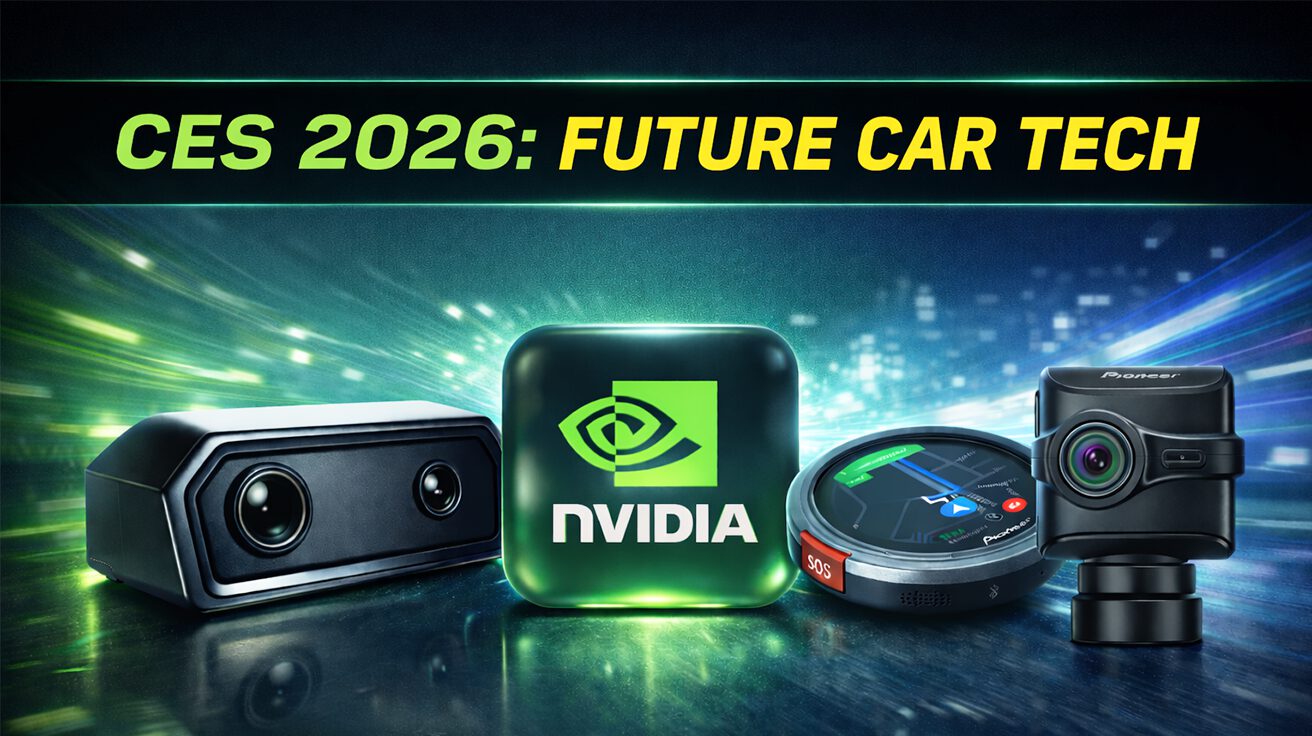
CES 2026 was a tech flex worthy of a superhero movie, showcasing innovations set to reshape how you hit the road—or get chauffeured while you nap. This year’s Vegas show floor read like a preview of Knight Rider meets The Jetsons: AI integration smoother than a Sinatra serenade, electric powertrains with zero range anxiety, and vehicle software nimbler than a cat meme. We’ve sifted through the avalanche of announcements and demos, handpicking the tech poised to make actual road trips better, safer, and maybe even more fun.
9. Bosch Vehicle Motion Management

Post-sale car upgrades just got as easy as downloading a new app.
Picture upgrading your car’s handling with a simple software download—kinda like jailbreaking your Tesla, but legit. Bosch’s Vehicle Motion Management, showcased at CES 2026, makes post-sale adaptability a reality with brake-by-wire tech. The S-Core open-source middleware for Software Defined Vehicles (SDVs) lets manufacturers and consumers tweak handling characteristics. Think of it as a digital mullet: business in the front (safety), party in the back (customization).
Collaborations with Microsoft and NVIDIA give Bosch’s system some serious brainpower, using the Drive Orin SoC for edge AI to enhance the Microsoft 365 integration. Translation: your car can now schedule meetings and aggressively optimize cornering, all while prioritizing safety. It’s like your ride’s gone from zero to hero with an over-the-air update, making driving not just smarter but also safer.
8. Cerence xUI with NVIDIA and Microsoft
Your car’s about to become the most intuitive assistant you’ve ever had.
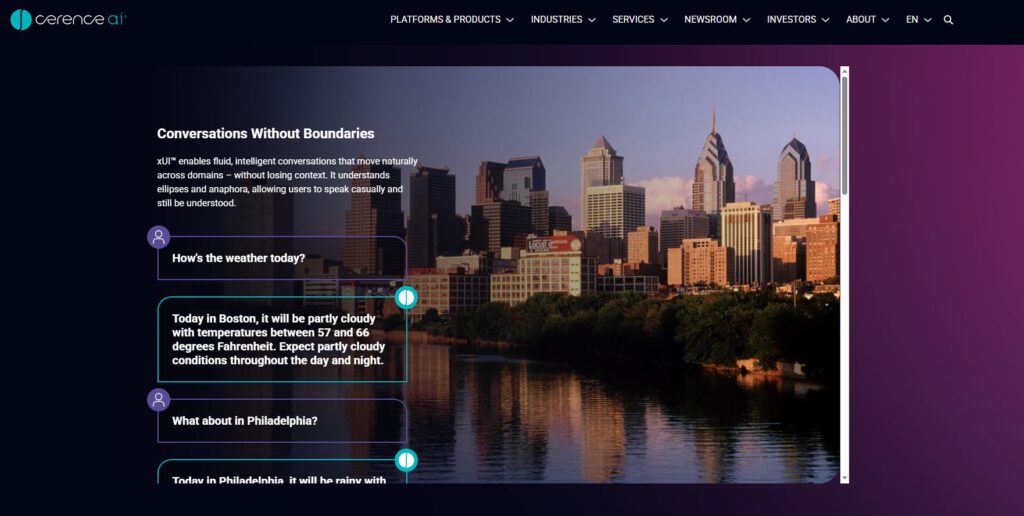
Ever get the feeling your car should know you better? Picture a Monday morning commute where your ride suggests a charging stop based on your calendar, cranks up your favorite playlist, and pre-heats your seat—all before you’ve had your coffee. No, this isn’t Knight Rider; it’s Cerence xUI, cooking with NVIDIA and Microsoft to upgrade your in-car experience.
This hybrid agentic AI is like having a co-pilot who’s also a concierge, managing everything from navigation to entertainment. It’s designed to anticipate your needs, syncing with calendars and managing comfort settings. It all adds up to a comprehensive integration that turns your car into a truly personalized extension of your digital life. Because let’s face it, battling traffic is annoying enough without also wrestling with climate control.
7. Ford L2+ ADAS and L3 Autonomy
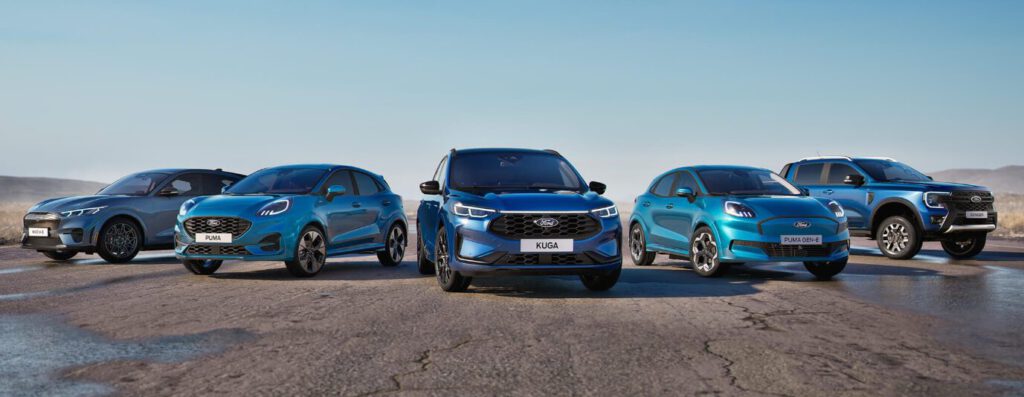
Ford’s ditching the outsourcing game for total in-house control.
Ford’s betting big on in-house tech. Unlike relying solely on third-party systems, Ford is rolling its own L2+ Advanced Driver-Assistance Systems (ADAS), L3 autonomy, custom AI assistants, and high-performance computing platforms. Think of it as ditching the store-bought ingredients to whip up your own secret sauce. While others outsource, Ford’s tech reset could mean tighter integration and more control.
Cruising down the highway, you’ll seamlessly switch between assistance levels as conditions change—L2+ for everyday driving, L3 for those blissful moments of hands-free highway hypnosis. By combining these systems with custom AI assistants, Ford aims to provide a personalized, intuitive driving experience. In short, it’s a solid contribution to the ever-evolving saga of automotive autonomy.
6. Gentex Thermal Cameras

Night vision for cars that actually works when you need it most.
Gentex thermal cameras are like night-vision goggles, only for your car: they detect animals—like Bambi’s mom about to dart across the road—even in total darkness. Picture your vehicle automatically hitting the brakes, blaring a warning, and flashing a light brighter than your ex’s sense of self-importance.
These cameras use thermal imaging to “see” heat signatures, meaning they’re not fooled by headlights, fog, or even those trendy LED eyelashes some cars sport. By spotting potential hazards sooner, these systems could significantly reduce accidents. So, while they can’t stop you from rear-ending a Prius, they can help you avoid a Bambi-meets-bumper situation.
5. NVIDIA Physical AI
AI that learned to drive by playing the world’s most advanced video game.
Physical AI, in a nutshell, is about training AI models in virtual environments so they can handle the messy reality of our world—think of it as teaching a Roomba to navigate a minefield. NVIDIA’s approach to Physical AI is designed for EVs, meaning your electric chariot might soon drive like it’s got a PhD in urban survival. It’s like giving your car Spidey-Sense.
These AI models are getting schooled in virtual simulations, which lets them master scenarios too dangerous or rare to train for in real life. Snowstorms, jaywalkers with a death wish, rogue shopping carts—NVIDIA claims Physical AI will make EVs handle these situations like seasoned pros. The promise? Safer autonomous driving, without the need to stage a remake of “The Italian Job” to test the system.
4. Pioneer AI Cameras
360-degree vision that makes parallel parking feel like cheating.
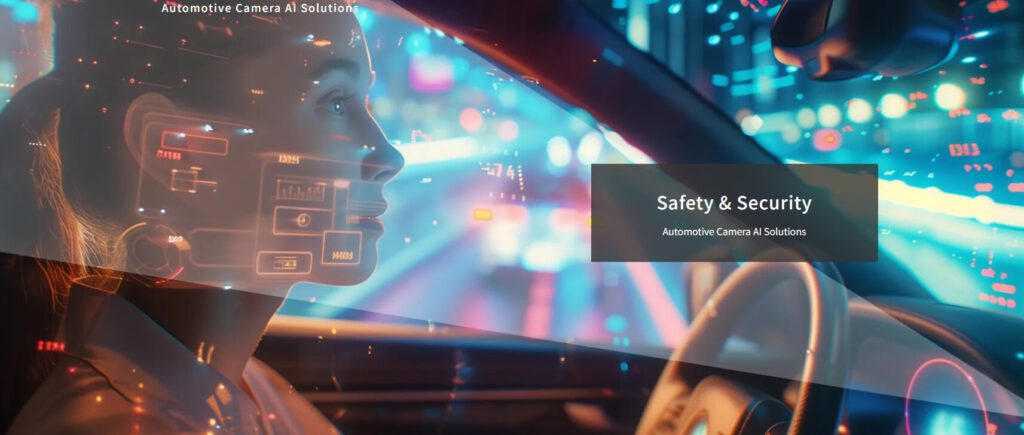
Ever tried parallel parking using only your side mirrors? Pioneer’s AI cameras promise to make that a thing of the past with their 360-degree views. These aren’t your grandpa’s backup cameras; they’re like having eyes in the back of your head, your blind spots, and probably your neighbor’s yard too. The big win is enhanced visibility, turning even the tightest parking spots into a breeze.
But here’s the rub: all that data has to go somewhere. While the cameras offer comprehensive coverage, early models experienced lag, like trying to stream TikTok on dial-up. The question is whether you trust AI with your parking skills or prefer the old-fashioned bump-and-pray method. Despite any initial hiccups, these cameras enhance visibility.
3. Robotaxi Platforms
Ride-sharing without the awkward small talk about your driver’s side hustle.
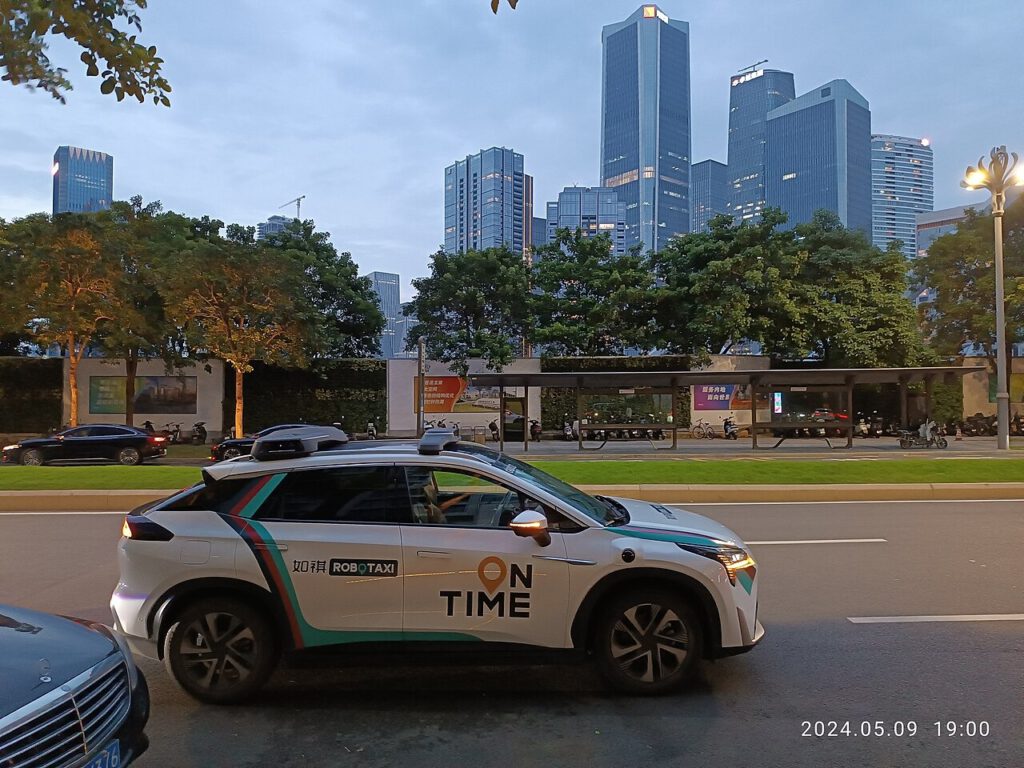
Some say the future is now, but it’s more like the future is stuck in traffic, until now. Robotaxi platforms, such as the Lucid-Nuro partnership, are showcasing shared autonomous EVs that prioritize something other than cramming you in like a sardine. Picture customizing your route via an app, skipping the small talk, and enjoying a comfy ride, all while your Uber driver isn’t judging your questionable music choices.
Subscription models are ditching the whole “ownership” thing for on-demand service, which is perfect for anyone who’s ever looked at their car payment and thought, “I could’ve bought a decent used jet ski for that.” It’s a shift towards mobility when you need it, and thankfully not a moment sooner. It’s the ultimate “treat yo’ self” without the commitment.
2. TomTom Orbis Maps for CARIAD
GPS updates so precise, they know about potholes before the city does.
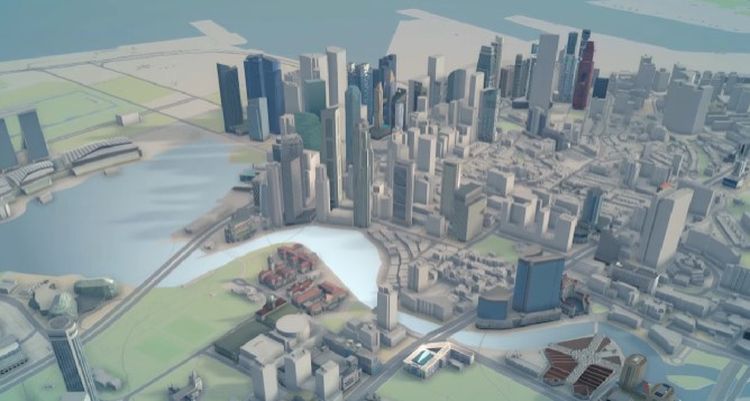
Some say these maps are so precise, they could guide you to the exact rogue LEGO brick your kid left out. TomTom Orbis Maps for CARIAD are designed to give ADAS a serious brain boost with minute-level updates. Think of it as your car constantly refreshing its GPS like you’re checking Twitter—only instead of doomscrolling, it’s dodging traffic jams in real-time.
The process? A vehicle adapts its route using the latest traffic info like a seasoned local who knows all the shortcuts. This system ensures precision and reliability, more so than your uncle’s directions using only a crumpled gas station map. It’s about making sure your car doesn’t just know where it’s going, but also what surprise potholes await 100 feet ahead.
1. Vehicle-to-Everything (V2X)
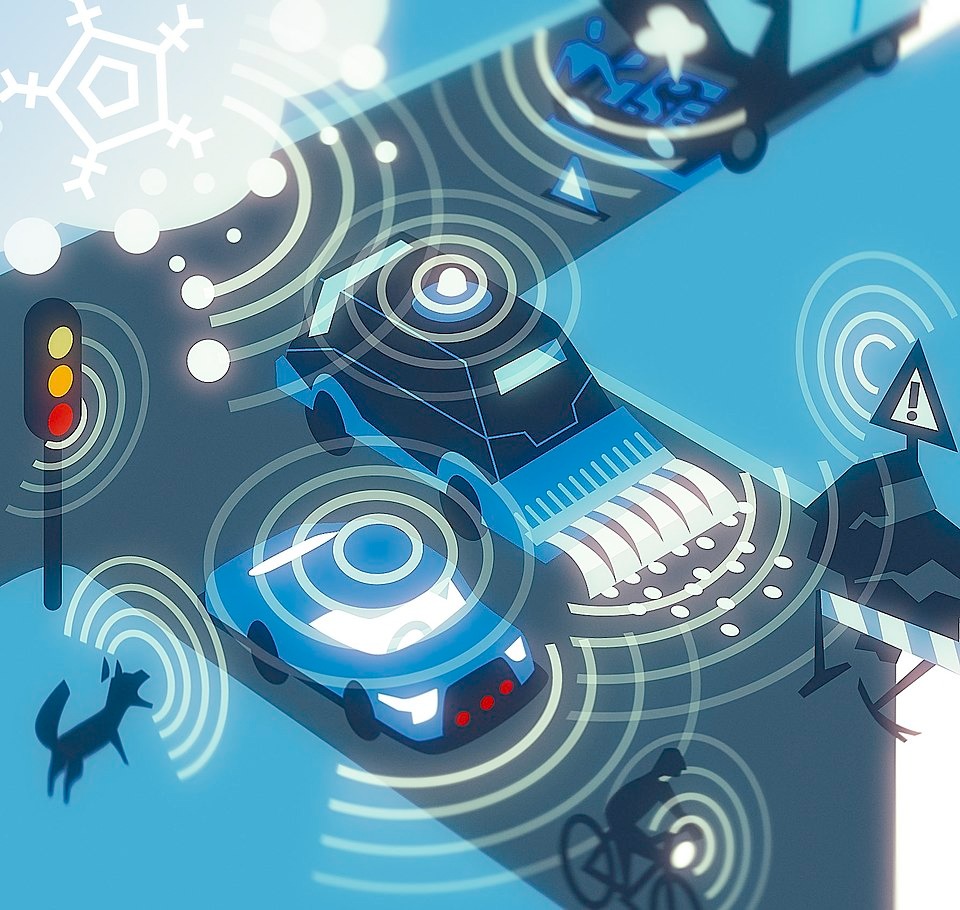
Image: Wikipedia
Cars are about to become the most helpful gossips on the road.
5G and 6G are about to turn cars into gossipy neighbors, sharing real-time deets about hazards. Vehicle-to-everything (V2X), in other words, cars chatting with everything, including each other, promises to cut down on accidents and traffic jams. See, when a car slams on its brakes because a deer bolted onto the road, it instantly blabs to all nearby vehicles, giving you a heads-up about the impending Bambi situation.
AI doesn’t just want to be your in-cabin therapist; it’s also playing traffic cop by spotting anomalies before they become pile-ups. This tech uses data to predict and prevent accidents, like a crystal ball, only way less hippie. The goal? Safer roads. So next time your car is chattering away, it might just be saving your ass.