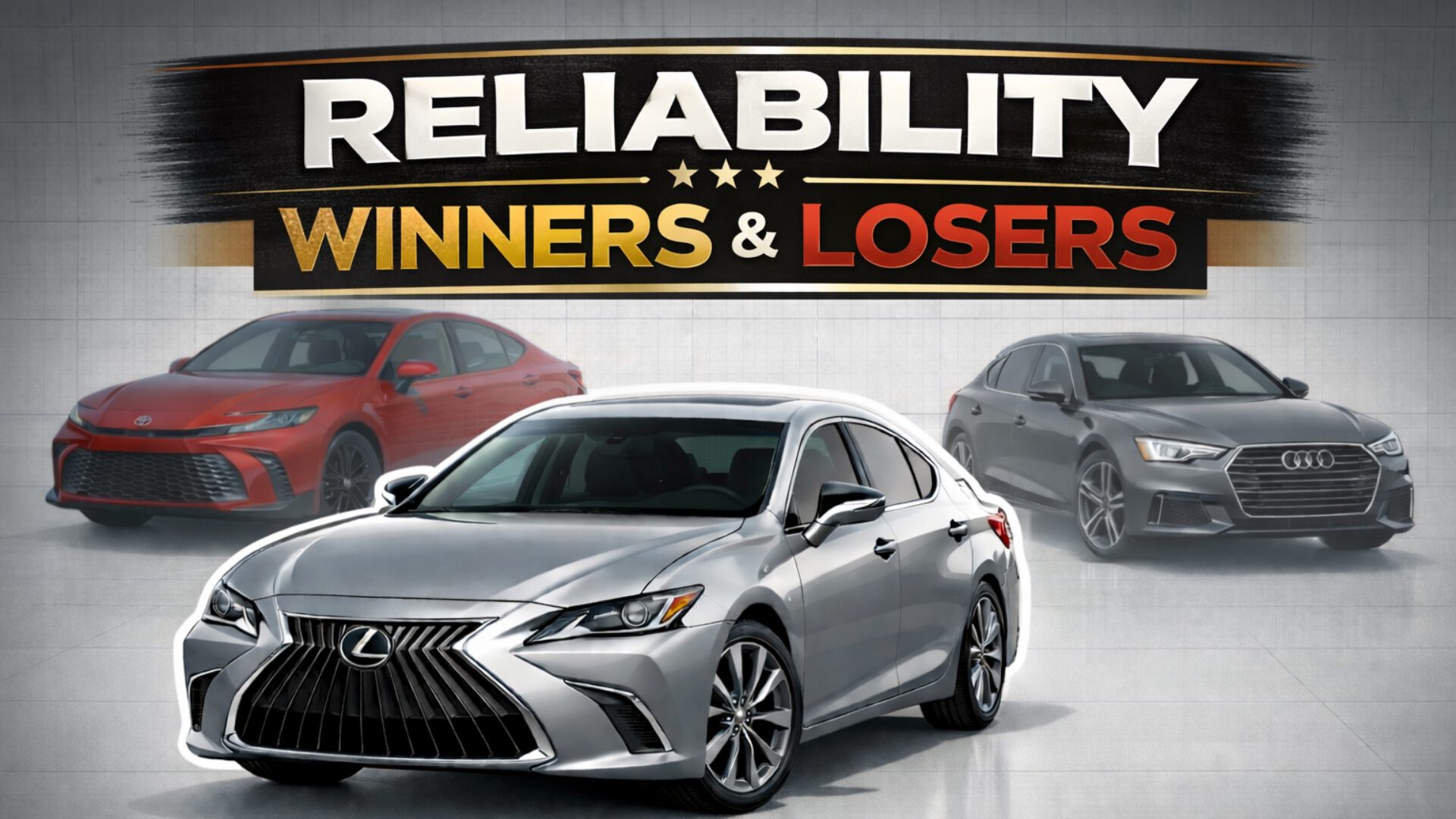
Marketing departments talk about innovation and performance, but reliability lives in quieter details: whether a car starts on a cold morning, whether warning lights stay off after year five, and whether owners are forced into repeat visits to the service bay. That’s where long-running owner-reported data matters.
Consumer Reports has spent decades tracking which vehicles actually hold up and which ones quietly drain wallets after the warranty expires. Their methodology is simple and difficult to game: real owners report real problems across engines, transmissions, electronics, and build quality. Over time, patterns emerge that marketing slogans can’t hide.
13. Top Performers in Reliability Rankings
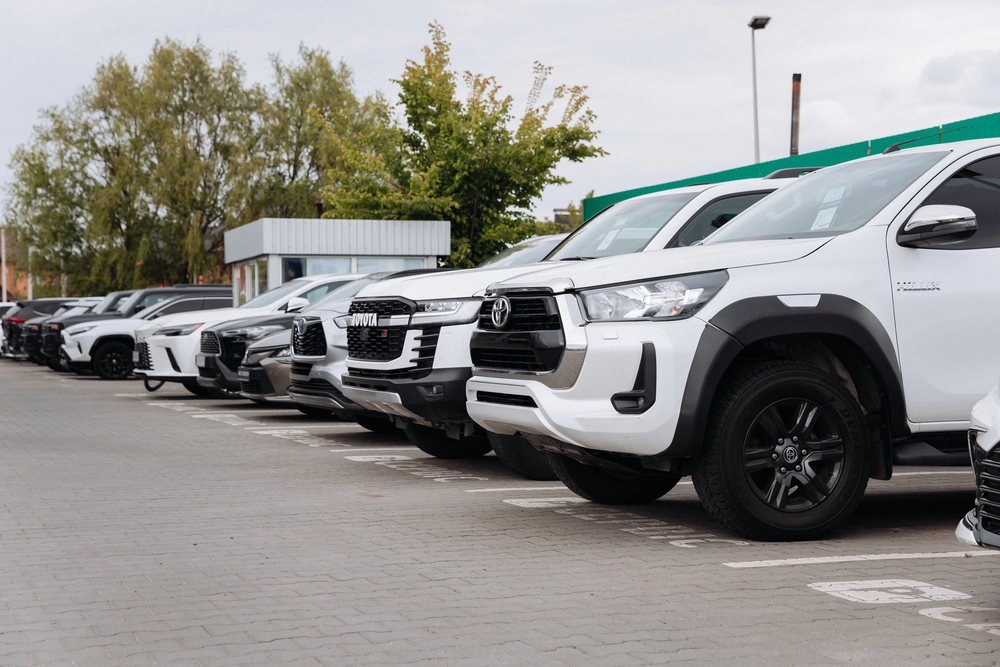
These brands have mastered the art of making cars that actually work when you need them.
Consumer Reports’ reliability study places several brands significantly above average, with scores reflecting everything from transmission durability to infotainment system glitches. Toyota maintains its legendary reputation with an impressive reliability score of 66 out of 100, while its luxury counterpart Lexus leads the pack at 79. These Japanese automakers have perfected manufacturing processes that prioritize long-term dependability over flashy features that break after the warranty expires.
Genesis, Hyundai’s luxury division, surprised analysts by claiming the second-highest reliability rating at 70. The brand’s focus on proven technology rather than cutting-edge experiments has paid dividends for owners who want luxury without the typical repair bills that accompany premium vehicles.
12. Lexus: Reliability as a Design Philosophy
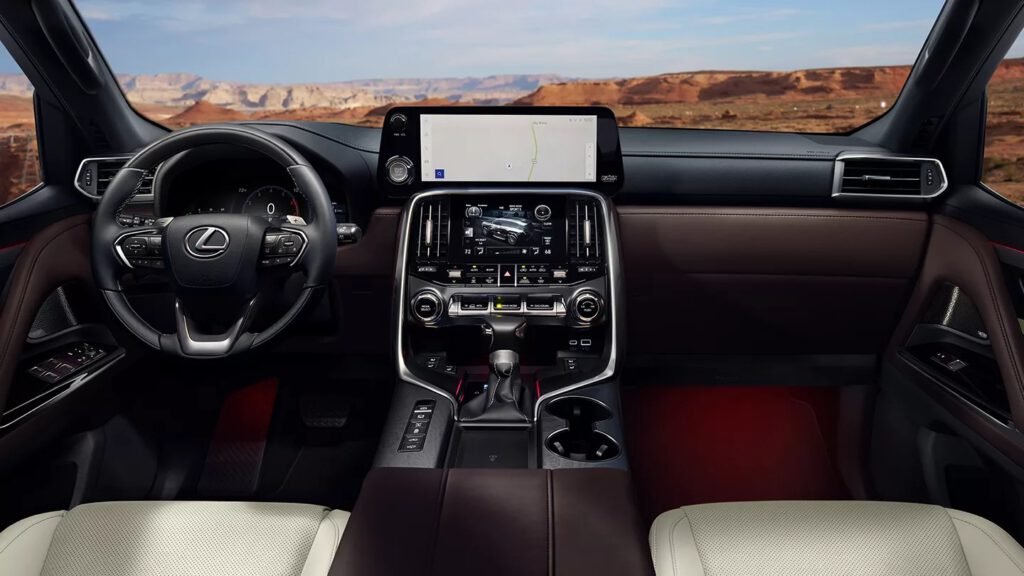
With a reliability score near the top of Consumer Reports’ rankings, Lexus continues to define what long-term dependability looks like in the luxury segment. Rather than reinventing its vehicles every few years, Lexus relies on long product cycles, proven powertrains, and conservative engineering choices.
The result is fewer first-generation failures, fewer unresolved software issues, and vehicles that age predictably rather than expensively. Owners routinely report minimal mechanical issues well past the warranty window, which explains why Lexus consistently leads both reliability and owner satisfaction charts.
11. Toyota: Boring for All the Right Reasons
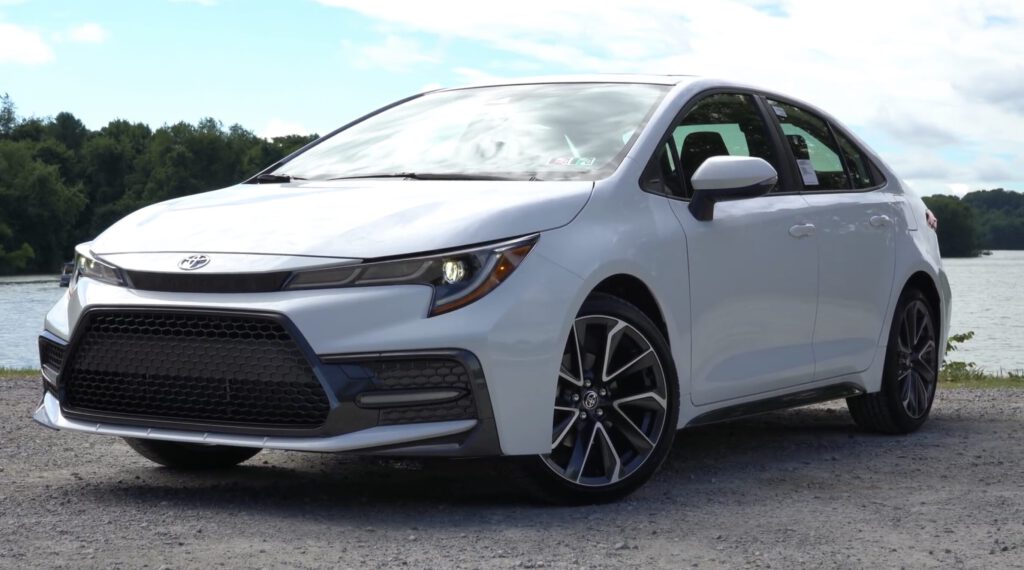
Toyota’s reliability reputation didn’t happen by accident. The company prioritizes incremental improvement over sweeping redesigns, often sticking with the same engines and transmissions long after competitors move on. While this approach can make Toyota vehicles feel less cutting-edge, it dramatically reduces failure rates.
Hybrid systems are a standout example. Toyota’s reluctance to rush new technology to market has resulted in hybrid drivetrains that outlast expectations, with fewer reported issues than many conventional powertrains. Toyota’s cars may not excite on paper, but they quietly deliver where it matters most.
10. Genesis: Luxury Without the Usual Reliability Penalty
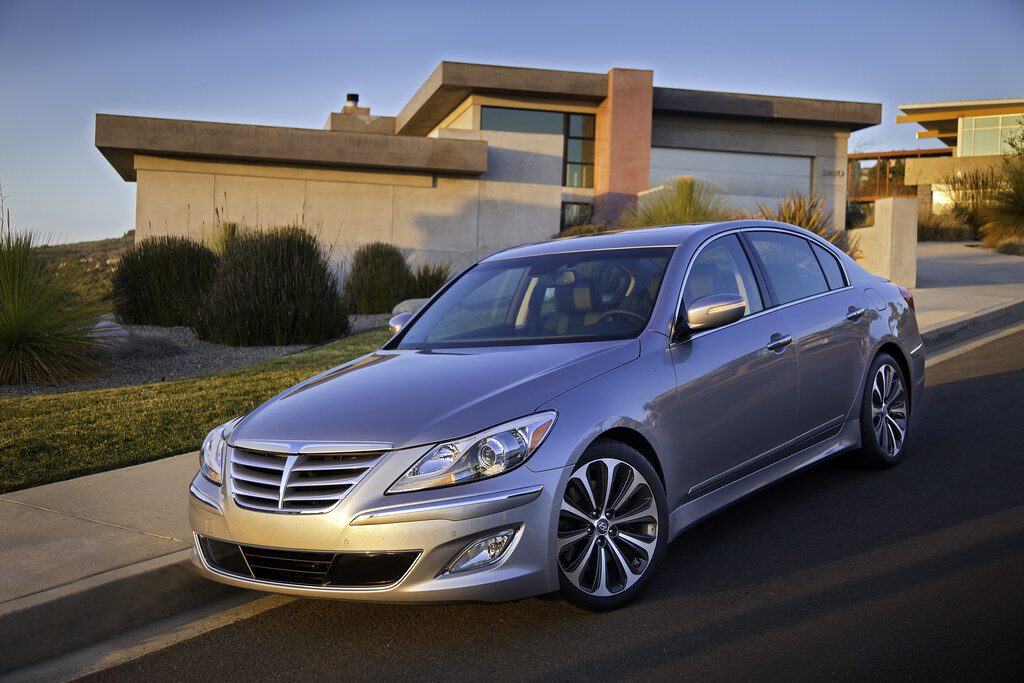
Genesis has emerged as one of the more surprising reliability leaders in recent years. Instead of flooding its lineup with experimental features, the brand leans heavily on proven platforms and thoroughly tested components. That restraint has paid off.
Owner reports consistently show fewer recurring issues than what’s typical for luxury vehicles, particularly in areas like electronics and drivetrain reliability. Genesis proves that luxury doesn’t automatically require complex systems that age poorly, challenging long-held assumptions about premium ownership costs.
9. The Middle Ground: Solid but Unspectacular

Decent choices that won’t leave you stranded, but might visit the service bay more than you’d prefer.
Several mainstream brands occupy the reliable middle territory, including Subaru and Honda, both scoring in the mid-60s. These manufacturers build vehicles that generally last well beyond their warranties but occasionally struggle with specific model years or particular components. Honda’s reputation for bulletproof engines remains largely intact, though some newer models have experienced minor electrical issues that slightly impact their overall reliability scores.
Mazda continues its quiet excellence with above-average reliability ratings, proving that smaller automakers can compete with giants when they focus on quality over quantity. Their rotary engine heritage taught them valuable lessons about precision manufacturing that translate into fewer warranty claims and happier customers.
8. Honda: Strong Foundations, Minor Modern Friction
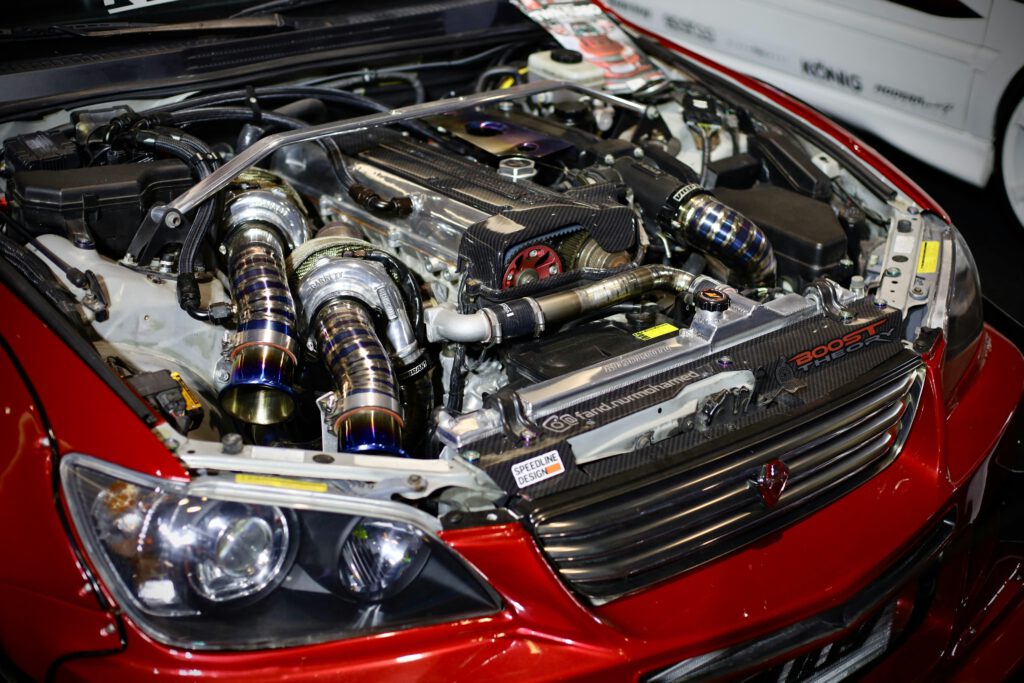
Honda remains a solid reliability performer thanks to durable engines and efficient drivetrains. Mechanical fundamentals are still a strong suit. Where Honda has stumbled slightly in recent years is electronics, particularly infotainment systems that generate owner complaints disproportionate to mechanical failures.
These issues are typically minor rather than catastrophic, but they do affect overall reliability scores. Even so, Honda vehicles continue to last longer than average when maintained properly.
7. Subaru: Durable by Design, Sensitive to Maintenance
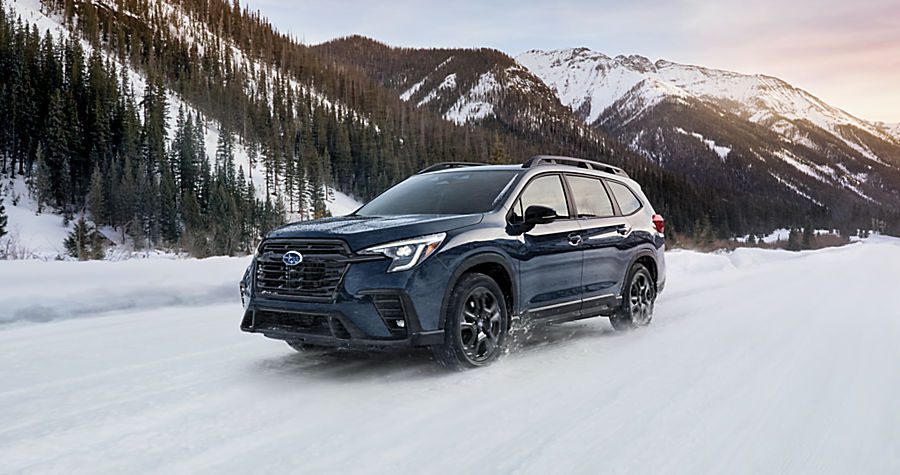
Subaru’s reliability profile is closely tied to how its vehicles are used and maintained. Its all-wheel-drive systems and engines perform well over time, especially in harsh climates, but certain model years have shown sensitivity to neglected maintenance.
Owners who follow service schedules closely tend to report far fewer issues, reinforcing Subaru’s reputation as durable but less forgiving than some rivals if upkeep is ignored.
6. Mazda: Quietly One of the Most Reliable Brands on the Road
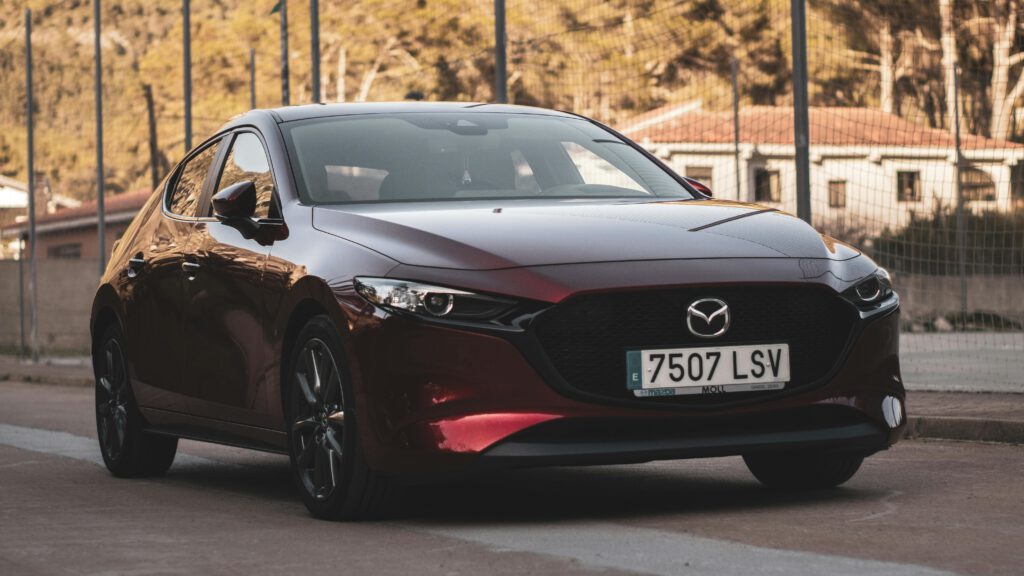
Mazda rarely dominates headlines, but reliability data consistently place it above average. A smaller lineup allows tighter quality control, and Mazda’s preference for simpler, naturally aspirated engines reduces long-term failure risk.
The brand’s focus on driving feel hasn’t come at the expense of dependability, making Mazda one of the most balanced choices for buyers who want engagement without sacrificing reliability.
5. Brands to Approach with Caution
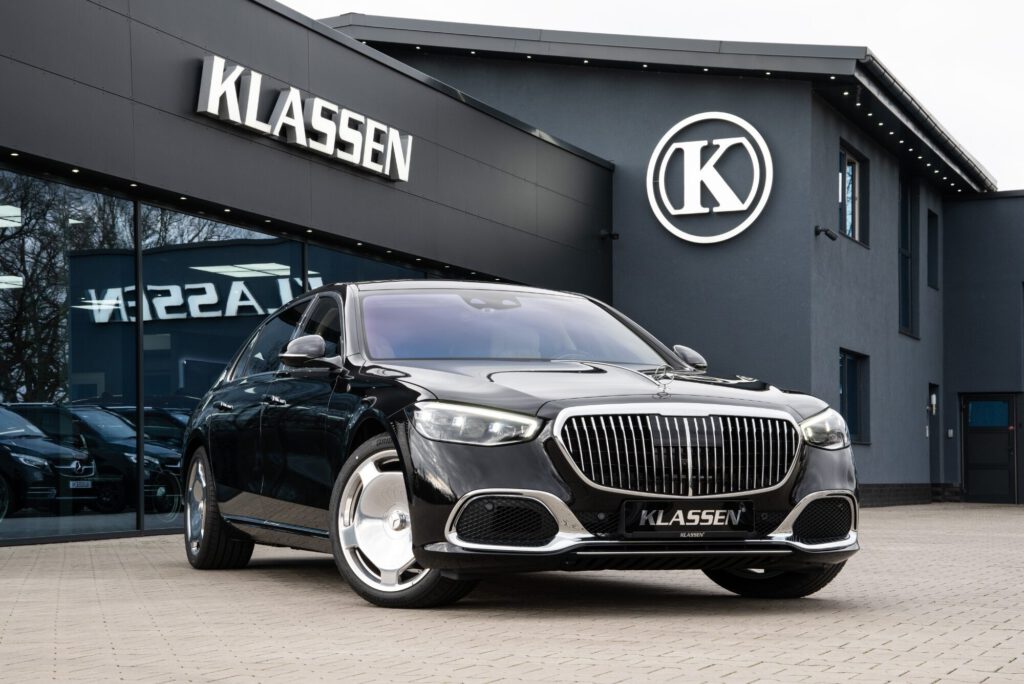
These manufacturers make beautiful vehicles that might spend more time with mechanics than owners.
Tesla’s reliability journey resembles a roller coaster, with early Model S and X vehicles experiencing significant quality control issues while newer Model 3 and Y production has shown marked improvement. The electric vehicle pioneer scores below average partly due to manufacturing growing pains and the complexity of integrating cutting-edge technology into mass-produced vehicles.
Traditional luxury brands like BMW, Mercedes-Benz, and Audi consistently rank below average in reliability studies, despite their engineering prowess and premium materials. These vehicles offer exceptional driving experiences and advanced features, but owners should budget for higher maintenance costs and more frequent service visits compared to mainstream alternatives.
4. Tesla: Innovation Moving Faster Than Consistency
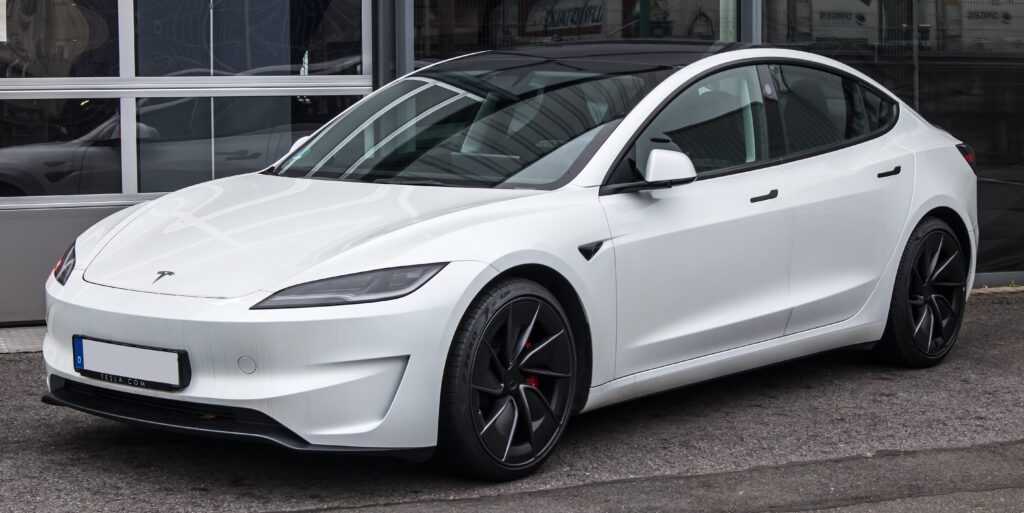
Tesla’s reliability record remains uneven. Early production runs of the Model S and Model X were plagued by fit-and-finish issues, hardware failures, and inconsistent build quality. While newer vehicles like the Model 3 and Model Y show measurable improvement, owner reports still highlight recurring concerns.
Many of Tesla’s issues stem from rapid scaling and a willingness to deploy unproven manufacturing processes at volume. Software updates can address some problems remotely, but hardware-related faults continue to weigh down reliability scores. Tesla’s vehicles improve over time, yet buyers are often part of that improvement curve rather than beneficiaries of a finished product.
3. BMW: Precision Engineering, Heavy Maintenance Burden
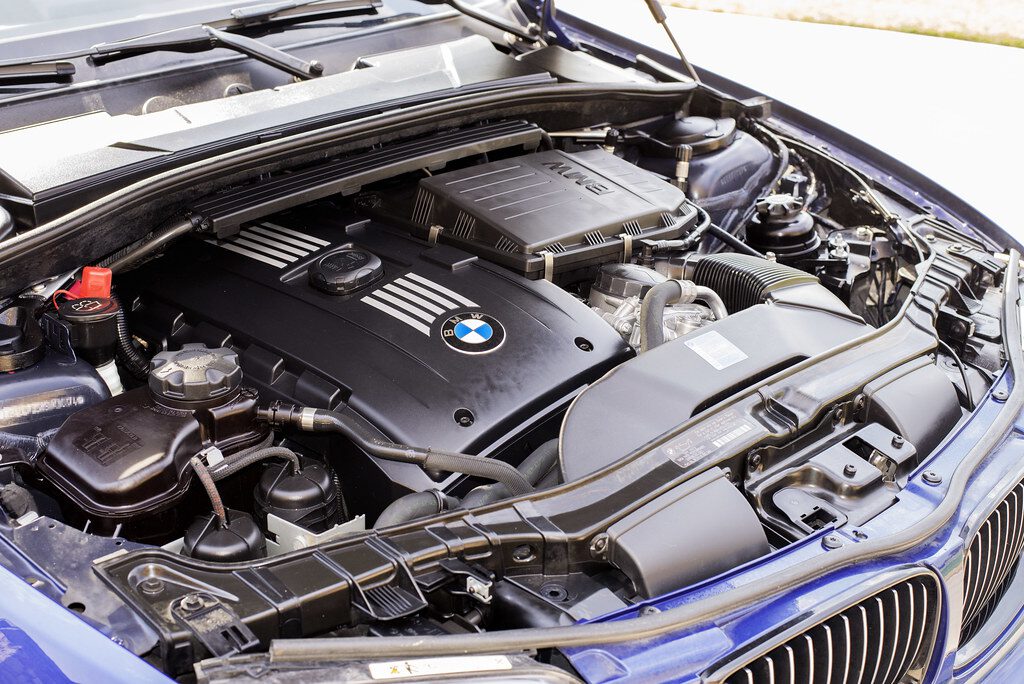
BMW’s reputation for performance and driving dynamics is well-earned, but reliability data consistently tells a less flattering story. Modern BMWs pack dense layers of electronics, turbocharged engines, and tightly integrated systems that leave little margin for error as vehicles age.
Owner reports frequently cite electrical faults, cooling system failures, and expensive repairs that emerge outside the warranty period. BMW vehicles deliver an engaging driving experience, but that engagement comes with higher long-term ownership costs and more frequent service visits than most mainstream alternatives.
2. Mercedes-Benz: Comfort and Complexity Collide
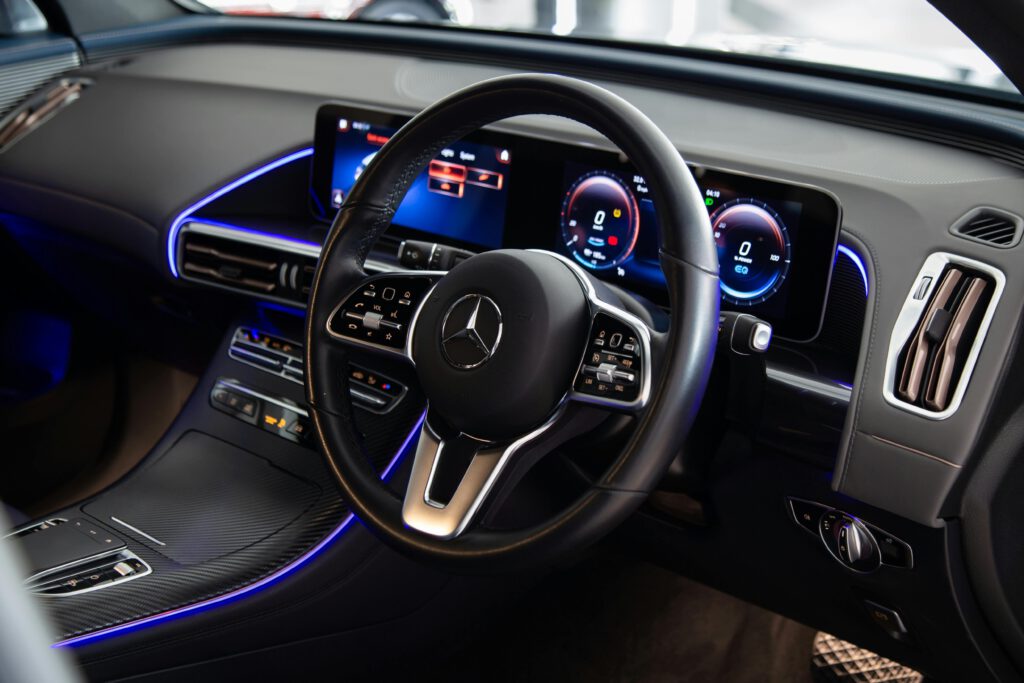
Mercedes-Benz vehicles excel in ride comfort, interior refinement, and technology, yet those strengths often introduce reliability vulnerabilities. Advanced driver assistance systems, air suspension, and intricate infotainment platforms add failure points that accumulate over time.
Consumer Reports data consistently places Mercedes below average in reliability, particularly as vehicles pass the five-year mark. The brand’s engineering ambition remains impressive, but longevity takes a back seat to innovation, leaving owners with higher maintenance demands than expected for a premium vehicle.
1. Audi: Sophistication That Ages Poorly
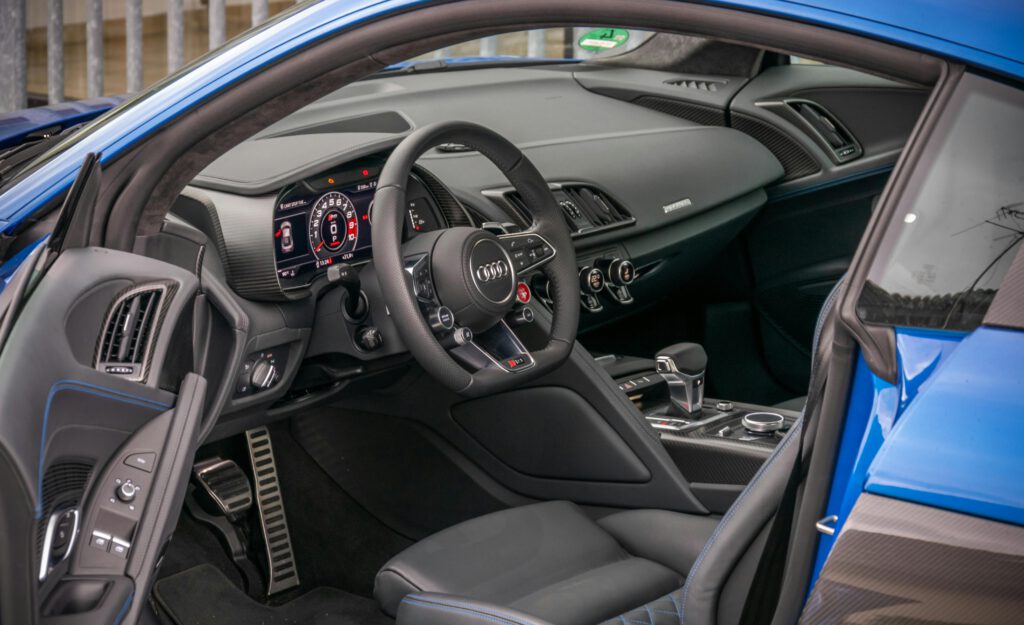
Audi’s clean design language and strong performance credentials mask a recurring reliability pattern. Electrical issues, drivetrain complications, and costly repairs appear frequently in owner surveys, especially once vehicles move beyond early ownership.
Quattro all-wheel-drive systems perform well, but their added complexity contributes to long-term wear. Audi vehicles tend to feel solid and refined when new, yet reliability data shows that this polish often fades faster than buyers anticipate.