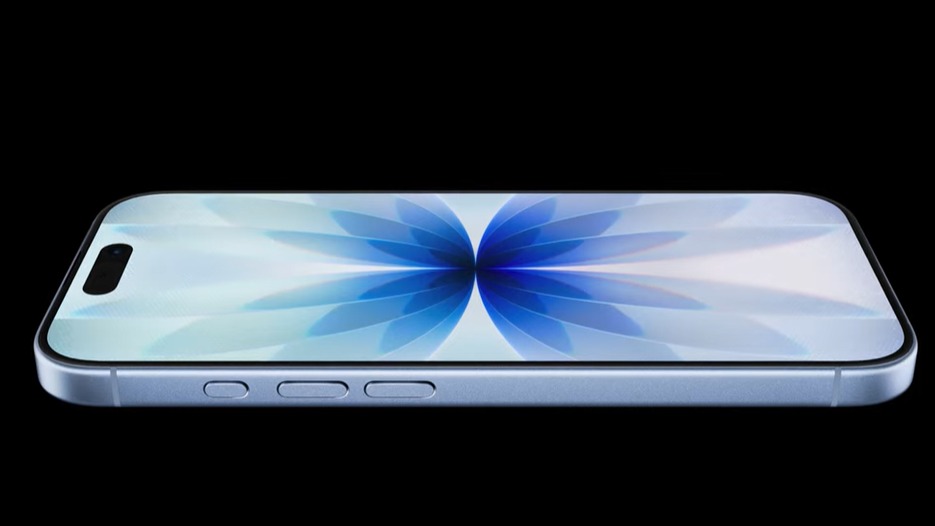
Your next phone upgrade just got more interesting. Apple seized the global smartphone crown from Samsung in 2025, capturing 20% market share versus Samsung’s 19%—the first time Apple has led annual shipments in roughly 14 years. This shift happened despite overall market growth crawling at just 2%, proving that your brand loyalty directly shapes these corporate battles. Think of it like the streaming wars, except the winner determines whether your pocket computer runs iOS or Android for the next few years.
iPhone Momentum Builds Beyond Premium Markets
The iPhone 17 series and sustained iPhone 16 performance drove Apple’s expansion into Japan, India, and Southeast Asia.
Apple’s 10% shipment growth wasn’t just about premium buyers upgrading their devices. The iPhone 17 series gained serious traction in Q4 while the iPhone 16 continued performing in markets Apple historically struggled to penetrate. “Apple’s growth in 2025 was driven by its expanding presence” in emerging and mid-size markets, according to Counterpoint Senior Analyst Varun Mishra. Your friends in Mumbai and Tokyo are increasingly choosing iPhones over Galaxy devices—a demographic shift that’s reshaping global preferences.
Samsung Holds Strong Despite Losing Top Spot
Galaxy A series mid-range devices and premium foldables drove 5% growth, though regional pressures emerged.
Samsung didn’t collapse—it actually grew 5% year-over-year while maintaining competitive positioning. The Galaxy A series dominated mid-range segments globally while the Galaxy S25 and Z Fold 7 outperformed their predecessors in premium tiers. However, Samsung faced headwinds in Latin America and Western Europe, regions where your choice between Android and iOS increasingly tilts toward Apple’s ecosystem integration.
Chinese Brands Fight for Scraps
Xiaomi stayed flat at 13% while Vivo grew and OPPO declined, leaving room for Nothing and Google’s surprising gains.
The real action happened in the “others” category, where brands like Nothing exploded 31% and Google jumped 25%. Xiaomi remained stuck at 13% share despite strong Latin American performance, while OPPO’s 4% decline signals trouble in Asia-Pacific competition. These smaller players act like your algorithm’s recommendation engine—constantly fighting for attention in an increasingly crowded space dominated by the Apple-Samsung duopoly.
What This Means for Your Next Purchase
Premium market shifts and 2026 supply constraints could affect upgrade timing and pricing strategies.
This market reshuffling affects your wallet more than corporate bragging rights. The premium tier expansion means better features trickle down faster, but 2026 could bring supply constraints that push prices higher. If you’re planning an upgrade, the Apple-Samsung rivalry intensifying means both companies will fight harder for your loyalty—typically good news for your upgrade options.