Winter has arrived once again, bringing with it the familiar anxiety over rising heating costs. This year, however, those costs seem to be hitting harder than usual. With money already tight, many lower-income households are struggling to cover basic monthly expenses—made even more difficult by soaring energy bills. As temperatures drop and costs climb, the question becomes unavoidable: what options are left? And could Bitcoin, of all things, offer part of the answer?
At first glance, the idea sounds odd. Bitcoin is widely known as an alternative payment method and an investment asset—neither of which has anything to do with heating homes. If you want to learn how to buy Bitcoin to preserve or grow wealth, platforms like Binance can help. But you won’t find tutorials on using Bitcoin as a heat source. After all, you can’t exactly burn BTC—it doesn’t exist in physical form. So where does this idea come from?
As it turns out, desperate times often give rise to innovative solutions, and few technologies have inspired as much unconventional thinking as Bitcoin.
Always look for the silver lining
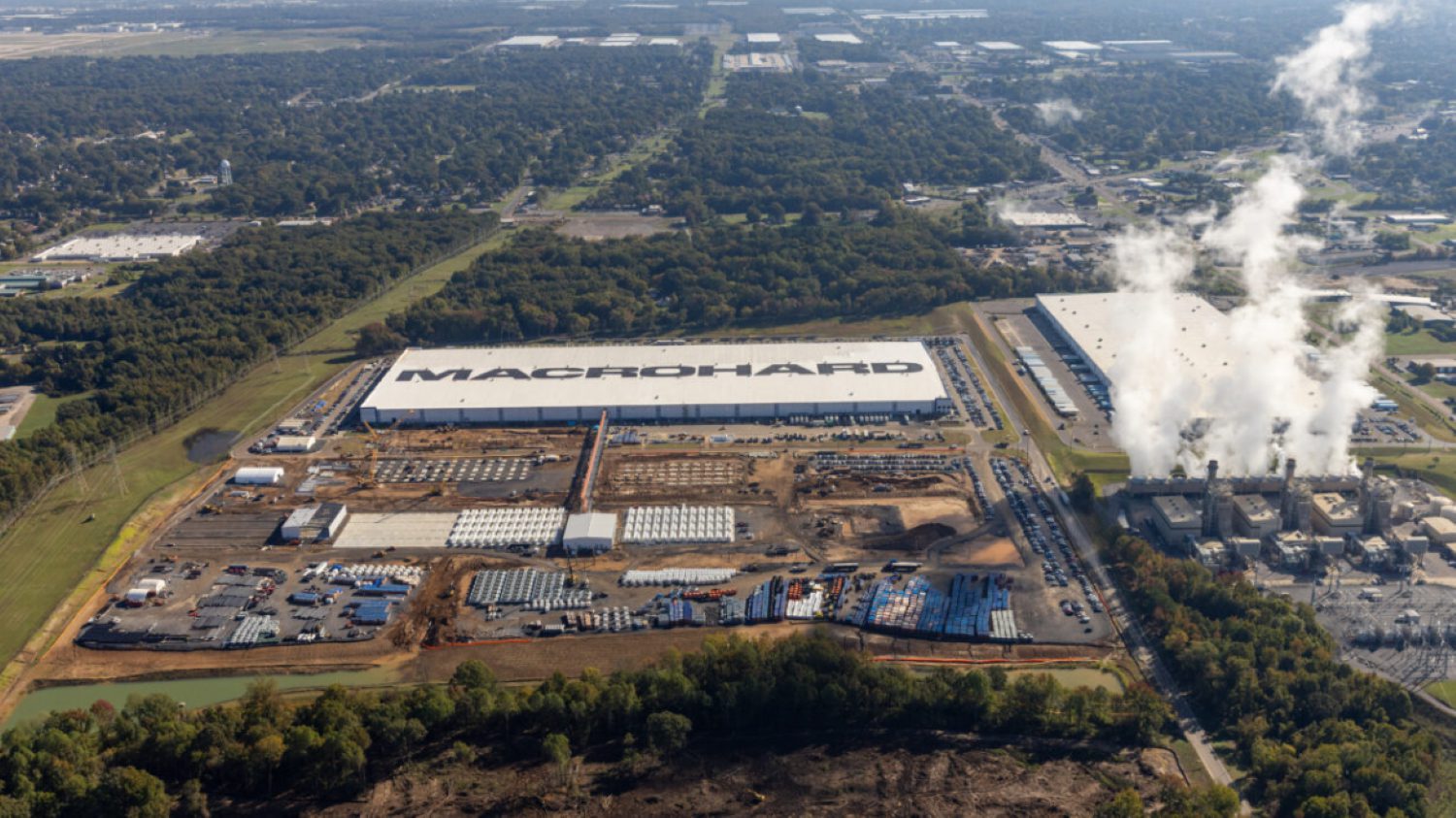
You may remember the intense (and fittingly heated) debates around Bitcoin’s massive energy consumption. Mining Bitcoin requires specialized hardware to solve complex mathematical problems, and keeping those systems running consumes enormous amounts of electricity. The numbers are striking—and not in a flattering way.
Estimates suggest Bitcoin mining consumes between 91 and 176 terawatt-hours (TWh) of electricity each year. That’s nearly 0.5% of global electricity usage, roughly on par with entire countries like Norway or Poland. Unsurprisingly, these figures have drawn heavy criticism from environmental groups.
But there is a lesser-known side effect of all that energy use: heat. Bitcoin mining generates substantial warmth, which until recently was simply wasted. If that byproduct could be captured and reused, it might serve as an alternative heat source—one that could help supplement traditional heating systems during the winter months.
Does this suddenly make Bitcoin sustainable? Not quite. Just as one good deed doesn’t make someone a saint, this single application doesn’t turn Bitcoin into a green technology. The environmental impact of mining, including its carbon emissions, remains a serious concern. Still, if mining is going to happen regardless, it makes sense to put the resulting heat to work rather than letting it dissipate unused.
If deployed at scale, this approach could allow the same energy used for Bitcoin mining to also heat homes, reducing dependence on oil or natural gas. In that scenario, an activity often criticized for its environmental harm could begin to play a small role in the solution.
The project that started it all
For those who believe nothing positive can come from Bitcoin’s energy consumption, Marathon Digital Holdings offers a counterexample. As the world’s largest Bitcoin miner, Marathon operates multiple large-scale mining facilities across the globe.
In an effort to reduce its environmental footprint, the company explored ways to repurpose the heat generated by its mining operations. In June 2024, Marathon launched a pilot project at one of its data centers in Finland. The initiative successfully redirected excess heat from Bitcoin mining to warm 11,000 homes in the Satakunta region. The network was later expanded to serve an additional 67,000 households.
Marathon’s results show how innovation and commitment can reshape long-standing narratives around energy use and sustainability.
Putting theory into practice
While results tend to speak louder than technical explanations, understanding the mechanics behind this system helps clarify its feasibility.
In Marathon’s case, the process involved an air-to-water heat exchanger that captured warmth released by mining servers and used it to heat water to around 25–35°C. That water was then piped to a district heating center, where its temperature was raised to approximately 80°C. From there, the heat was distributed through underground pipelines to nearby homes. In effect, the servers performed double duty: mining Bitcoin and heating communities.
This project is just one example of how mining operations could use innovation to offset part of their environmental impact. If more companies adopted similar systems, the benefits could extend beyond lower emissions—creating new revenue streams for miners and more affordable heating options for households worldwide.
The skepticism
Naturally, not everyone is convinced. Critics argue that reusing mining heat could incentivize more Bitcoin mining, which remains energy-intensive regardless of how the byproducts are handled. Others point out that not all mining operations are well-positioned—or willing—to invest in heat distribution infrastructure.
Still, waiting for a perfect solution may mean doing nothing at all. While heat recycling isn’t a cure-all, it represents a practical step forward. Making use of what already exists, even imperfectly, may be better than letting valuable energy go to waste.
In that sense, turning Bitcoin’s excess heat into warmth for homes isn’t just a technical experiment—it’s a reminder that innovation often begins by rethinking problems we thought we understood.