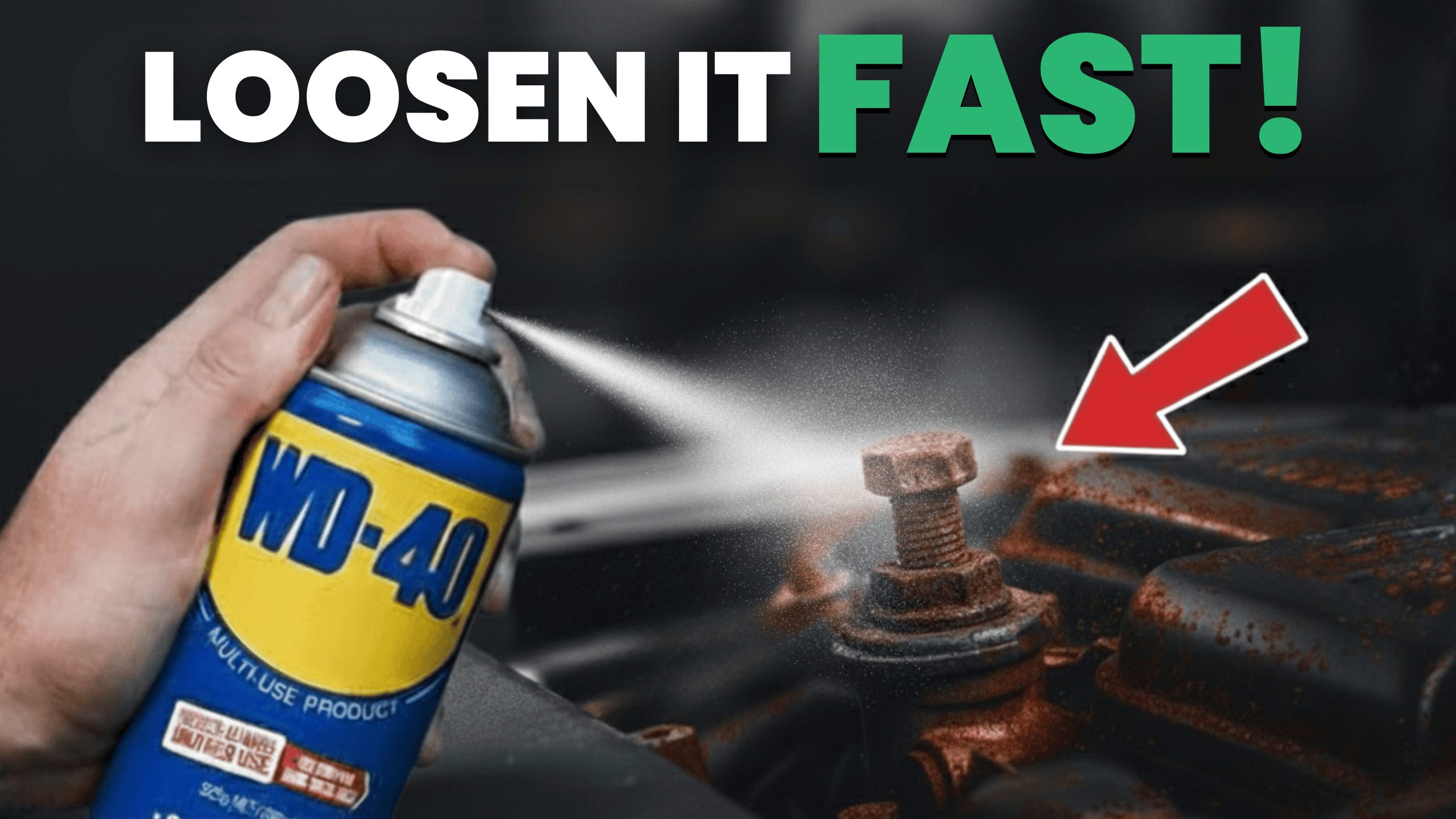
Ever wonder why mechanics always seem to find something extra to charge you? A little DIY car care can save you some serious cash and prevent those awkward “uh oh” moments. WD-40 isn’t just for squeaky hinges; this stuff is the Swiss Army knife of auto maintenance, capable of tackling everything from stubborn bolts to protecting your ride from rust. Knowing these tricks could save you hundreds per year and keep your car running smoother than a freshly waxed sports car. Ready to become the MacGyver of auto maintenance?
15. Unstick Frozen Door Locks
One spray beats a $150 locksmith call every time.
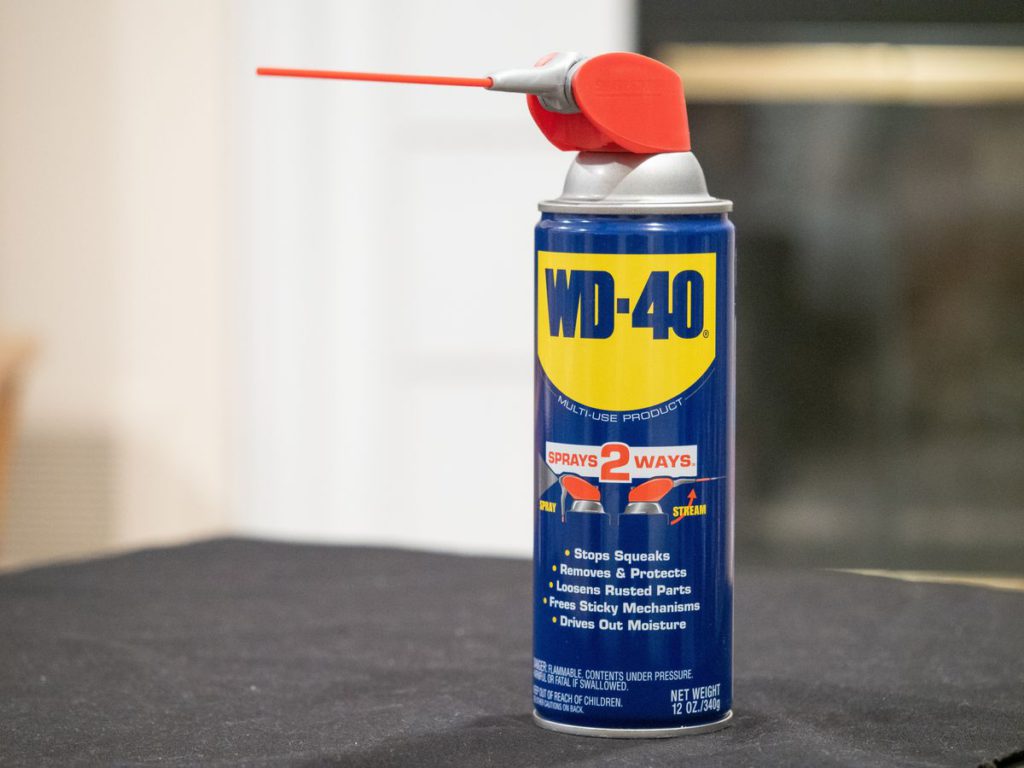
Ever played human popsicle trying to get into your car? You’re not alone in this frozen frustration. Before you shell out $75 to $150 for a locksmith, try WD-40: it melts ice and kicks water to the curb. Just spray it directly into the lock cylinder.
WD-40 is basically the liquid Swiss Army knife of car care. For a few bucks, you save 95% of what you’d spend calling a pro. Remember, a penny saved is a penny you can spend on something fun, like those fuzzy dice you’ve been eyeing.
14. Free Stuck Throttle Bodies
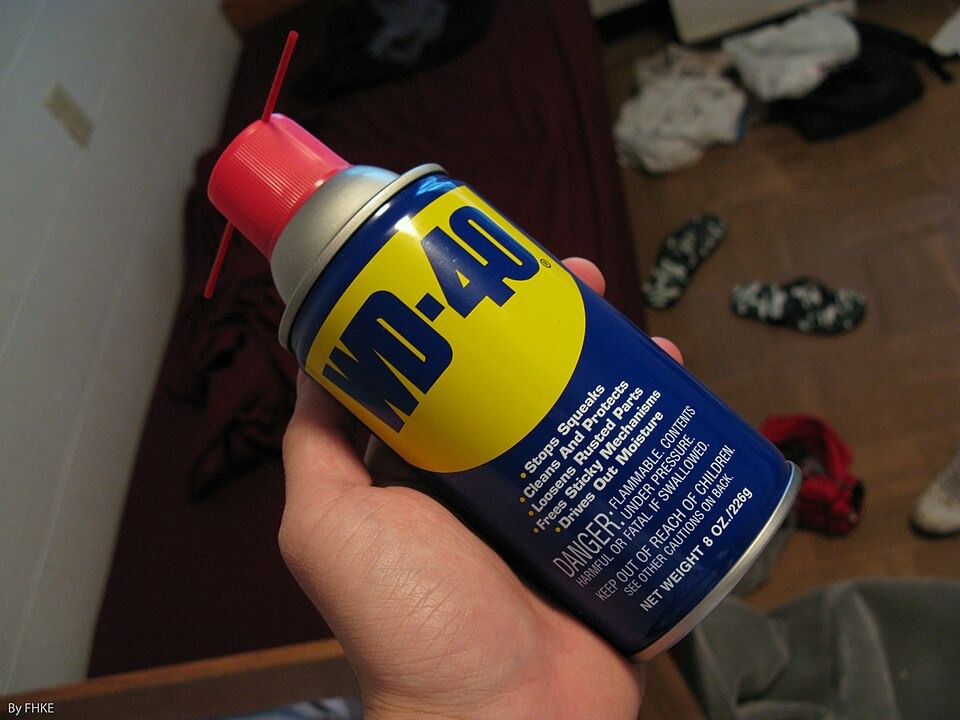
Carbon buildup meets its match with a simple spray and clean.
Carbon deposits can accumulate around the throttle plate, causing it to stick and your engine to act like it’s auditioning for a demolition derby at every stop light. Shops will happily charge you $200 to $350 to clean this, but you can fix it yourself, cheaper than a tank of gas.
All you need to do is spray some WD-40 on the throttle plate and bore. Suddenly, your idle is smoother than Ryan Gosling’s pickup lines, and your car runs like it’s got something to prove. This fix is so easy, you’ll wonder why mechanics don’t just offer it as a courtesy while they’re rotating your tires.
13. Clean Mass Air Flow Sensors
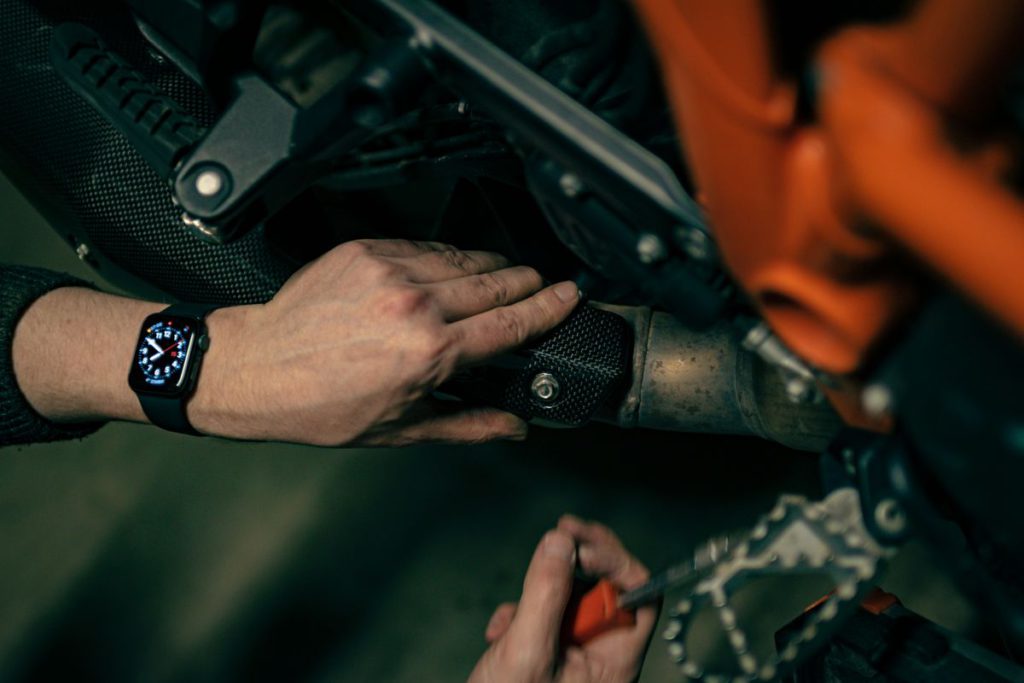
A dirty sensor costs you $200 in repairs plus terrible gas mileage.
DIY could save you $150 to $200, which is roughly the price dealers charge for cleaning a mass air flow (MAF) sensor—that thingy that measures the amount of air entering your engine. Now, shops may replace these sensors six times more often than they clean them. So, that check engine light and poor gas mileage might just be a dirty sensor.
Picture your engine’s MAF sensor as the office intern responsible for coffee runs: when they’re slacking, everything grinds to a halt. These sensors use delicate wires that can easily get gunked up, so grab some WD-40 Specialist Electrical Contact Cleaner, give ’em a spray, and boom—better fuel economy and engine performance are back on tap.
12. Revive Dead Battery Terminals
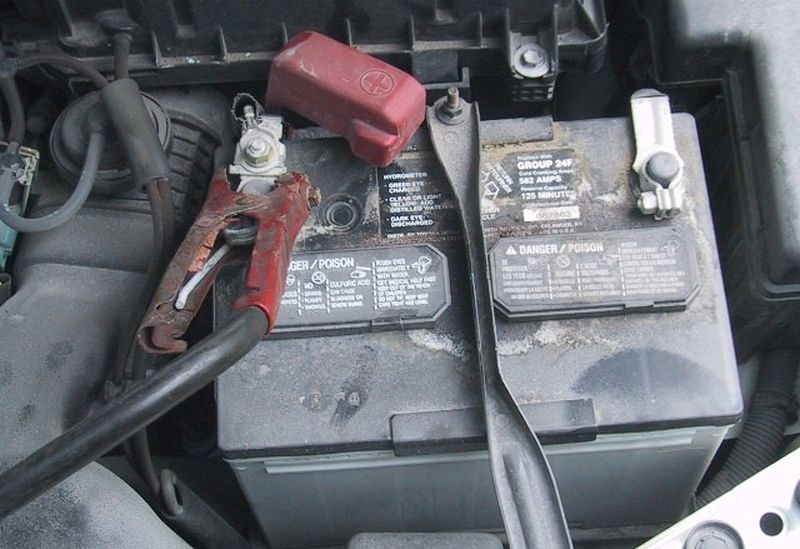
Clean connections beat expensive electrical diagnostics.
Stranded with a dead battery? Corrosion creates electrical resistance, turning what should be a simple fix into a misdiagnosed money pit. Mechanics can spend hours chasing ghosts only to find out that the problem was staring them in the face.
Before you drop $400 to $900 on unnecessary repairs, disconnect the terminals and get scrubbing; think of it as automotive CPR. A little elbow grease could save you a Benjamin or three—more money for the fun stuff, like questionable late-night snacks.
11. Free Seized Brake Calipers
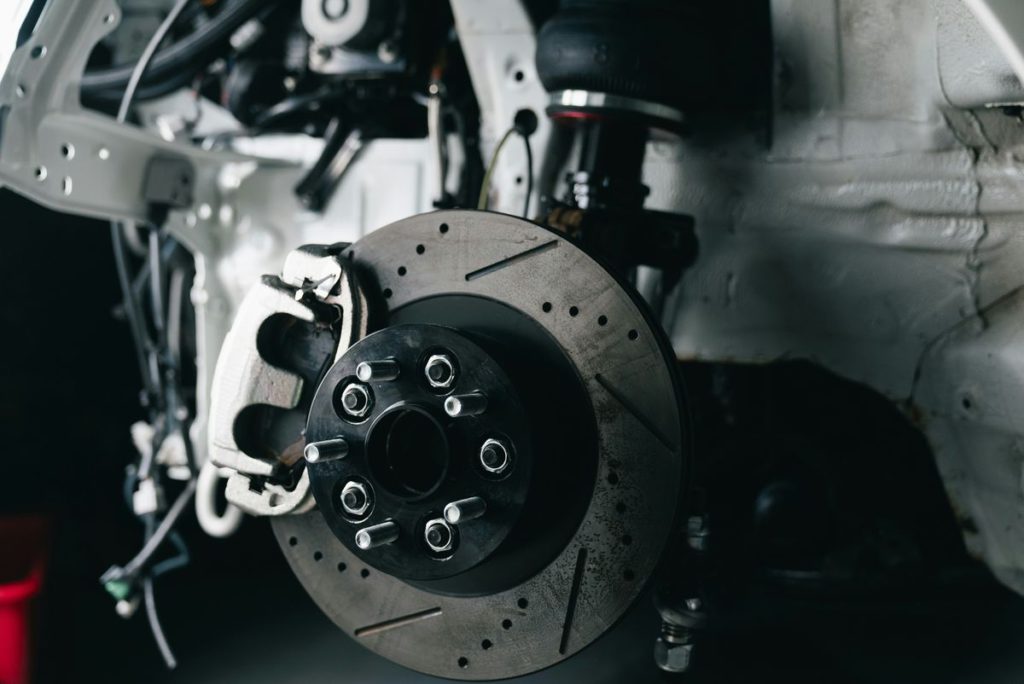
Proper lubrication prevents uneven brake wear and saves hundreds.
When caliper slide pins can’t move freely, you end up with pads grinding unevenly, like a toddler “helping” with your haircut. You might pay a shop anywhere from $30 to $500 per caliper to fix this, but don’t hand them your credit card just yet.
The fix? Pull those caliper slide pins, give ’em a good clean, and slather on some proper brake grease—emphasis on brake grease, not just any old goo you find in the garage. This keeps everything sliding smooth, preventing uneven wear and saving you from replacing pads prematurely.
10. Unstick Parking Brake Cables
Winter freeze doesn’t have to mean dealership bills.
Winter’s over, you try to release the brake, and it’s like, “Nope.” Instead of dropping $200 to $400 at a dealership for a cable replacement, WD-40 offers a blue-collar fix. Cables rust inside their housings, turning your reliable ride into a driveway decoration.
A shot of WD-40 where the cable enters the housing can be the hero move here. It’s like giving your brake cable a shot of espresso after a long winter nap. All that’s left is to marvel at how simple lubrication beats cable replacement.
9. Prevent Exhaust Manifold Bolt Seizure
Prevention beats $1,500 machine shop bills every time.
Broken exhaust manifold bolts can mean machine shop bills from $800 to $1,500. Picture a mechanic swearing under his breath while wrestling with a snapped bolt—and then sending you the inflated invoice. Exhaust manifold bolts live in hellish conditions, facing heat, moisture, and corrosion all day, every day.
The solution? A little preemptive love. Spraying those bolts with WD-40 Specialist Corrosion Inhibitor at every oil change prevents most breakage. Think of it as automotive dental hygiene: flossing keeps the big problems away, and a little preventative spray keeps your wallet from needing major surgery.
8. Stop Undercarriage Rust
Annual $15 treatments beat $2,500 rust repair bills.
Anyone who’s seen a truck sporting more rust than paint knows the deal: road salt and moisture are the grim reapers of car frames. You might think rust is just a cosmetic issue, but left unchecked, it leads to structural failure and repair bills around $2,500.
Think of undercarriage rust like dental plaque—ignore it, and you’re in for a root canal. Spraying your undercarriage after washing makes all the difference. And you don’t need to break the bank; annual treatments cost under $15. Basically, it’s cheaper than your monthly streaming subscription.
7. Protect Ignition Cylinders
Preventative care beats $400 locksmith bills.
Locksmiths often charge $200 to $400 to replace an ignition cylinder, but you can extend its life by a wide margin. Grime buildup and dried lubricant can jam up the works, making the cylinder stickier than a teenager dodging chores.
Spraying some love into the cylinder every few months keeps things slick. That’s like doubling or tripling the lifespan—far easier than explaining to your insurance company why you tried hot-wiring your own car.
6. Protect Electrical Connections
Preventive spraying beats $650 diagnostic bills.
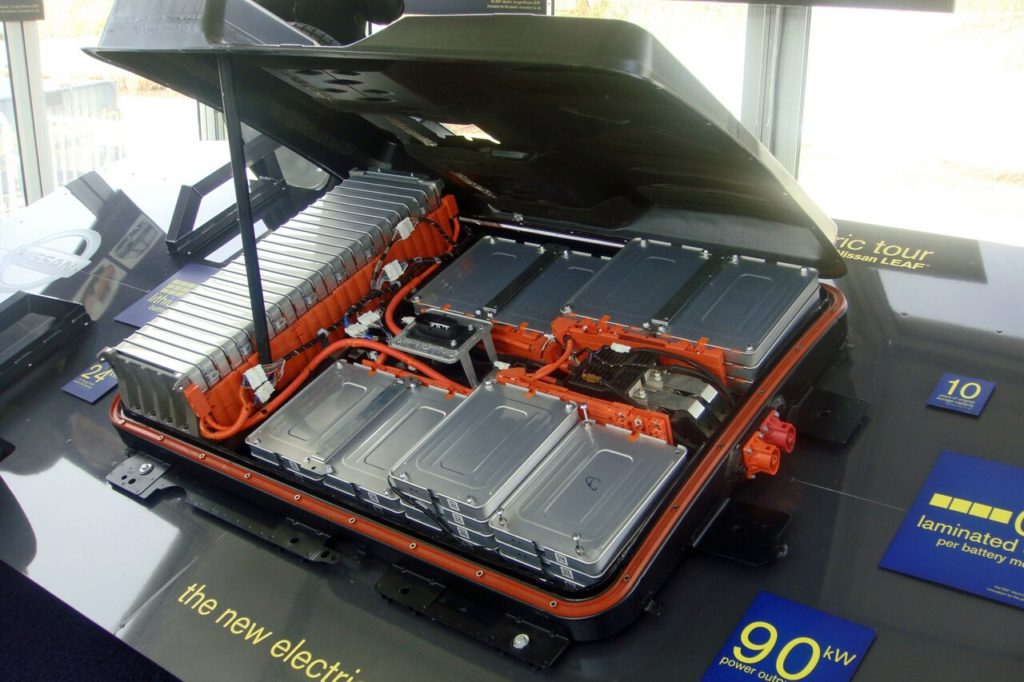
Connector corrosion causes most vehicle electrical failures, so it pays to be proactive, not reactive. You can spray trailer light connectors or engine harness plugs and never have to guess why they’re not behaving. A preventive application reduces failures dramatically.
Diagnostic costs can average $280 to $650, so a little preventative maintenance goes a long way. If that sounds like a scene from Office Space, remember: your wallet will thank you for staying ahead of the problem.
5. Free Seized Hood Latches and Hinges
Simple lubrication beats $150 shop charges.
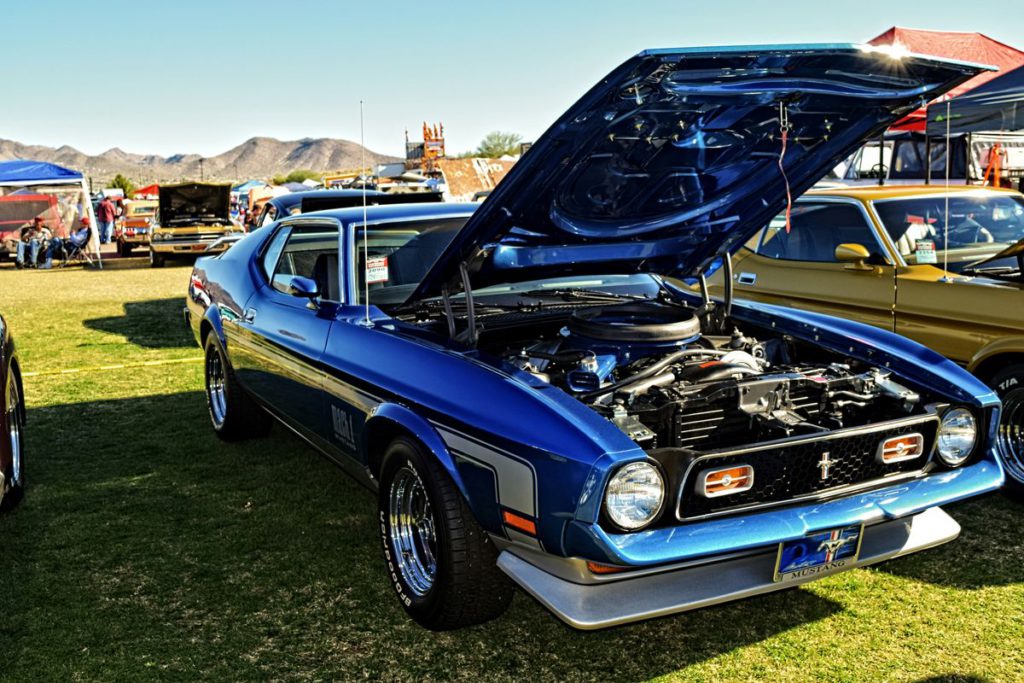
Suddenly, you can’t get under the hood to refill washer fluid or jump the battery. Shops often charge $100 to $150 to service these simple mechanisms, even though they usually just need a shot of penetrating oil—kinda like when the cable company charges $75 to plug in your TV.
These latches have springs and moving parts that seize up over time. A good spray of WD-40 loosens corrosion and gets everything moving freely again. For under $5 and about 60 seconds, you can access your engine bay faster than you can say “shade-tree mechanic.”
4. Prevent Throttle Cable Sticking
Smooth throttle response beats herky-jerky driving.
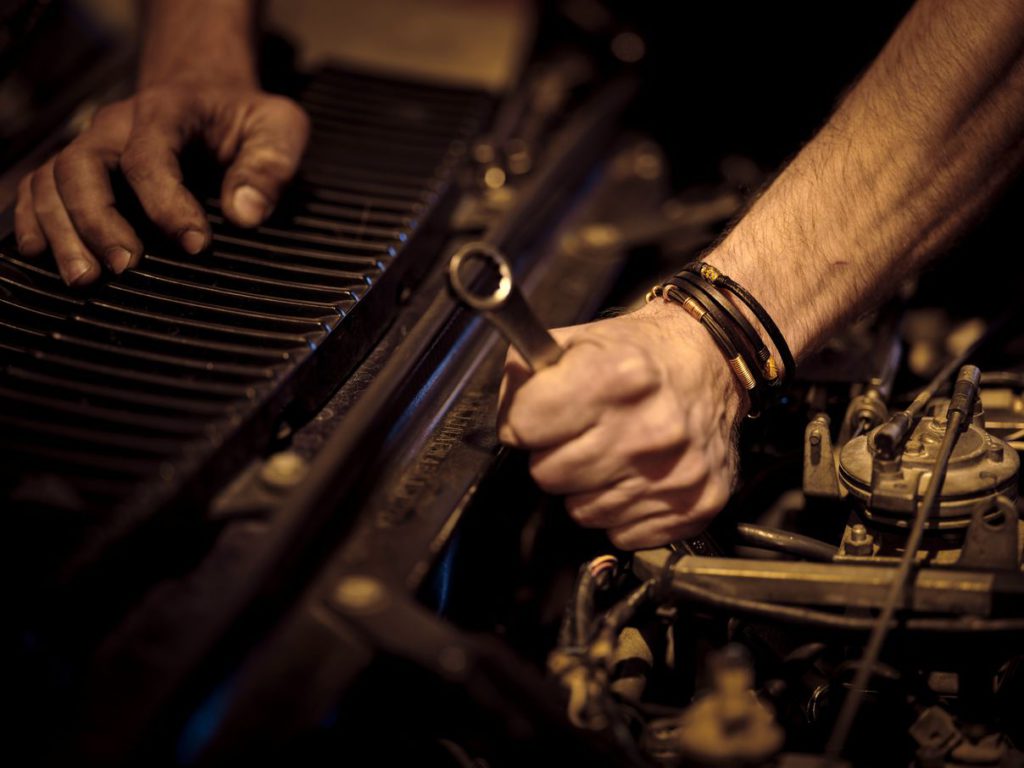
The cable runs through a housing, and when that gets cruddy, you’ll know it. That smooth throttle response becomes a herky-jerky mess. Suddenly, merging onto the highway feels like auditioning for a demolition derby.
Spray the cable housing at both ends, and the treatment restores operation in most cases. Replacing those cables can ding you $150 to $300, so that’s a relief. The improvement should be immediate and so obvious, you’ll think you installed a turbocharger.
3. Lubricate Door Hinges and Striker Plates
Two-minute maintenance prevents $350-per-door replacement costs.
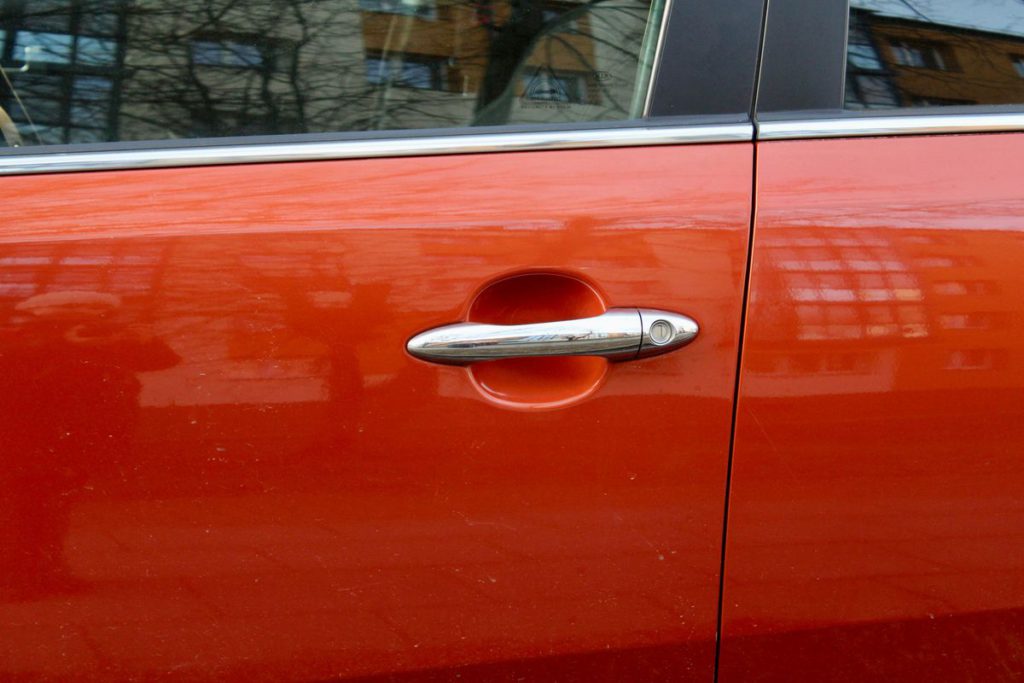
Shops often charge $200+ to replace damaged door hinges, but prevention is cheaper than that bottle of rosé you panic-bought for your book club. Given that hinges bear the door’s full weight every time you swing it open (and maybe slam it shut in frustration), they’re begging for a little TLC.
Hinge replacement can set you back $180 to $350 per door, which sounds like a home reno project nobody asked for. So, silence that squeaky door and fend off future damage. Simple maintenance keeps your wallet happy and your house sounding less like a haunted mansion.
2. Prevent Shift Linkage Seizure
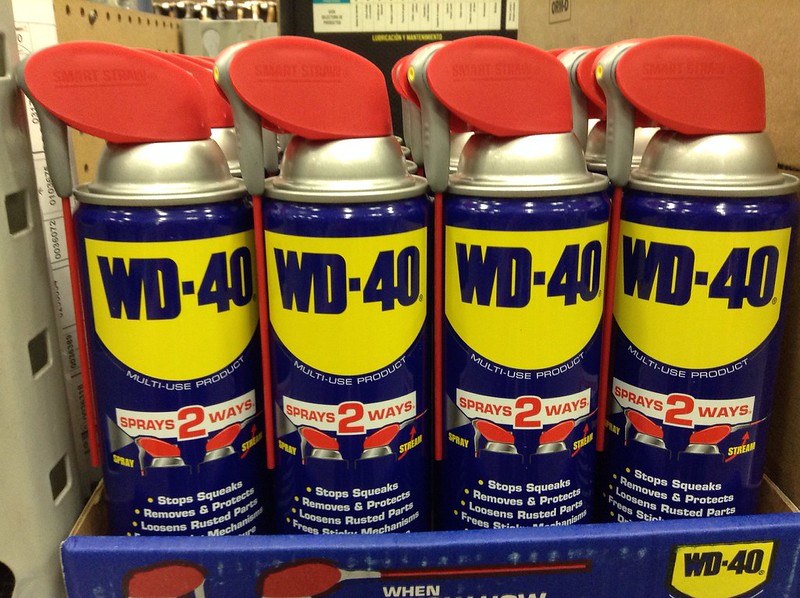
Quick spray beats $250 transmission misdiagnosis.
Next time your gear shift feels like stirring concrete, don’t automatically blame the transmission. Shift linkages, those unsung heroes of gear selection, feature a symphony of joints and cables that can freeze up like a bank account after Prime Day.
A shot of WD-40 on all linkage joints thaws those frozen bits faster than you can say “transmission fluid.” A mechanic might charge you $150 to $250 for a misdiagnosed linkage, but you’ll only pay a few bucks for some WD-40.
1. Quiet Noisy Suspension
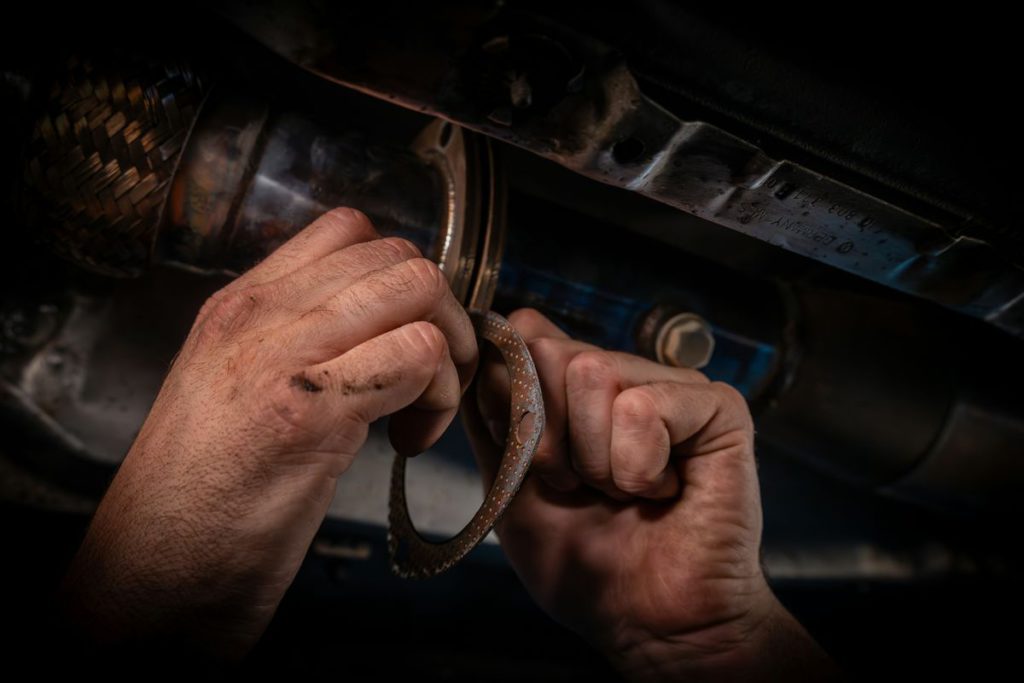
Simple lubrication silences squeaks before expensive overhauls.
Suspension repairs can sound as dire as a death rattle, with shops quoting $800 to $1,500 for the fix. Truth is, many of those squeaks involve bushings—those rubbery shock absorbers that dry out and complain louder than a toddler denied screen time.
Before you let a mechanic upsell you on a full suspension overhaul, grab some spray. Think of it as preemptive WD-40 diplomacy: a little squirt now could save you major coin and the headache of unnecessary replacements.