November 2025 is gone and a thing of the past. With it brings a curious collection of technology that challenges our assumptions about what portable computing means. From gaming laptops that think they’re engineering workstations to CD players that refuse to die quietly, this month’s most interesting releases share a common thread: they’re all trying to solve the problem of doing more with less space. The solutions range from brilliant to bizarre, but each reveals something about where personal technology is headed.

Acer Predator Triton 14 AI
Acer’s latest gaming laptop feels like an elaborate practical joke on physics. The Triton 14 AI crams an Intel Core Ultra 9 288V processor and NVIDIA GeForce RTX 5070 into a chassis that weighs just 3.3 pounds and measures 17.31mm thick. This shouldn’t work, yet it does—mostly thanks to graphene thermal interface materials that Acer claims provide 14.5% better heat transfer than traditional thermal paste. It’s the first laptop to use this technology, which sounds impressive until you realize someone had to be first.
The real story here isn’t the hardware but the positioning. By choosing Intel’s Lunar Lake architecture—typically reserved for ultrabooks—over traditional H-class gaming chips, Acer has created something genuinely different. The processor runs at 30W instead of the usual 45W or 55W, trading raw performance for battery life and silence. During testing, the fans remained nearly inaudible even during intense gaming sessions. The OLED display helps sell the illusion, with its 2880×1800 resolution and 120Hz refresh rate making everything look better than it has any right to on this hardware.
What We Like: Graphene cooling actually works; OLED display punches above its weight class; genuinely portable at 3.3 pounds
What We Dislike: Starting at $2,499 makes it expensive for mid-tier performance; Lunar Lake processor limits sustained gaming workloads
Sony INZONE M10S & M9 II Gaming Monitors
Acer’s latest gaming laptop feels like an elaborate practical joke on physics. The Triton 14 AI crams an Intel Core Ultra 9 288V processor and NVIDIA GeForce RTX 5070 into a chassis that weighs just 3.3 pounds and measures 17.31mm thick. This shouldn’t work, yet it does—mostly thanks to graphene thermal interface materials that Acer claims provide 14.5% better heat transfer than traditional thermal paste. It’s the first laptop to use this technology, which sounds impressive until you realize someone had to be first.
The real story here isn’t the hardware but the positioning. By choosing Intel’s Lunar Lake architecture—typically reserved for ultrabooks—over traditional H-class gaming chips, Acer has created something genuinely different. The processor runs at 30W instead of the usual 45W or 55W, trading raw performance for battery life and silence. During testing, the fans remained nearly inaudible even during intense gaming sessions. The OLED display helps sell the illusion, with its 2880×1800 resolution and 120Hz refresh rate making everything look better than it has any right to on this hardware.
What We Like: Graphene cooling actually works; OLED display punches above its weight class; genuinely portable at 3.3 pounds
What We Dislike: Starting at $2,499 makes it expensive for mid-tier performance; Lunar Lake processor limits sustained gaming workloads
BOOX Palma 2
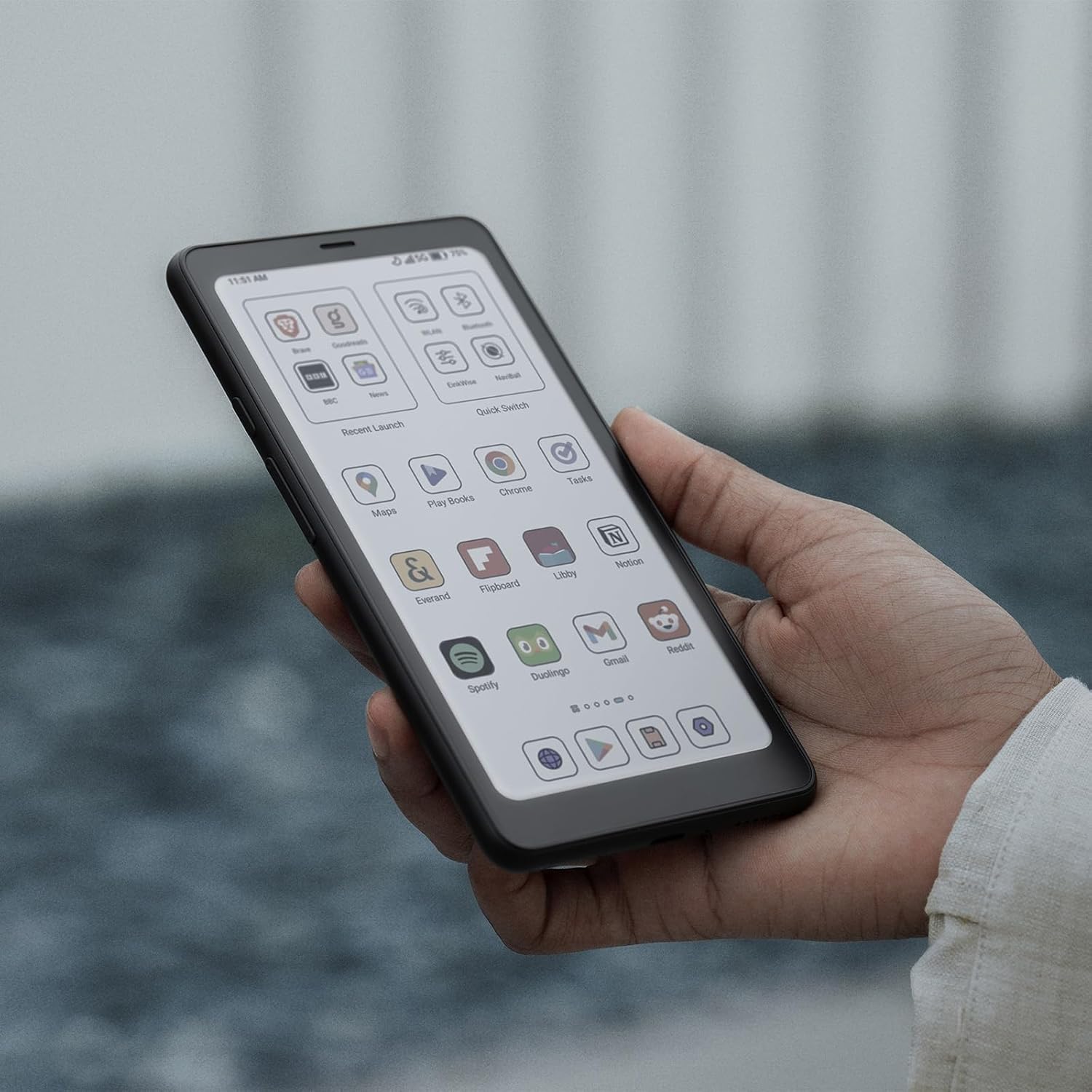
E-readers have spent years trying to be tablets, so naturally someone made an e-reader that looks like a phone. The Palma 2’s 6.13-inch E Ink display runs Android 13, has a 16-megapixel camera, and includes a fingerprint sensor. At 170 grams, it’s lighter than most phones while offering 10+ hour battery life when reading. The question isn’t whether this makes sense—it doesn’t—but whether that matters.
The device succeeds by embracing its contradictions. The E Ink display refreshes too slowly for smooth scrolling but looks perfect for reading. The Android OS allows installing any app, though most look terrible on e-paper. The camera exists despite being nearly useless with E Ink’s refresh limitations. Yet somehow, having Spotify, Kindle, and Google Maps on an eye-friendly display that lasts for days feels revolutionary.
BOOX’s decision to include Google Play Store access without requiring account creation shows unusual respect for user privacy. The multiple refresh modes—from HD for reading to Ultrafast for video—acknowledge that people will use this incorrectly and tries to accommodate them.
What We Like: Phone-sized e-reader actually fits in pockets; Google Play Store without mandatory account; respectable battery life
What We Dislike: E Ink limitations make many apps frustrating; Android 13 already feels dated
Shanling EC Zero AKM
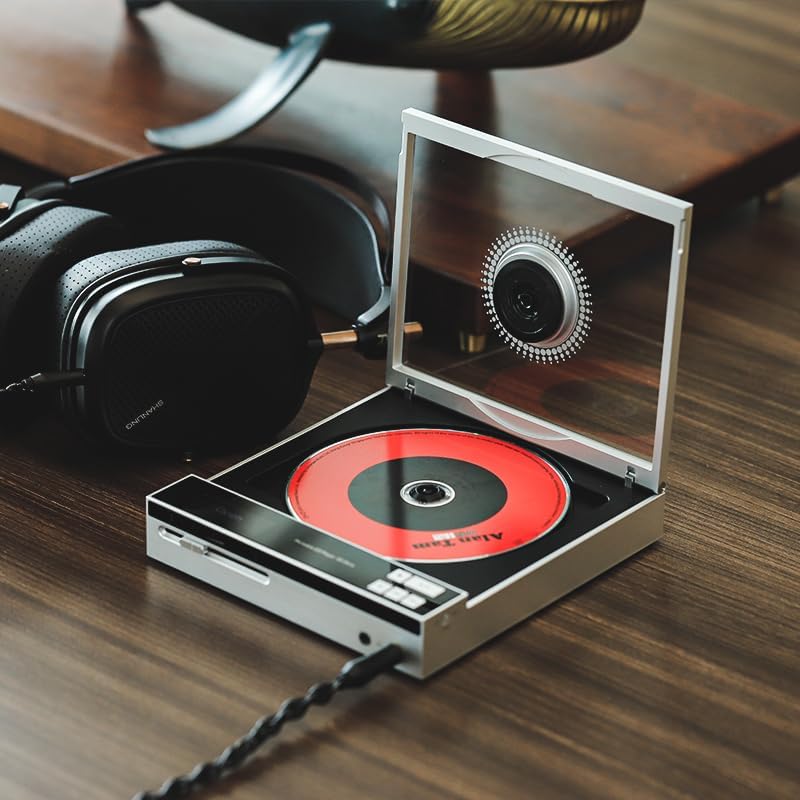
The portable CD player revival nobody asked for continues with Shanling’s EC Zero AKM, a $319 device that combines mechanical disc spinning with modern conveniences. It includes Bluetooth 5.3, can rip CDs to USB drives, and functions as a USB DAC. The magnetic disc clamp promises skip-free playback while walking, solving a problem most people forgot existed.
What’s remarkable is how seriously Shanling takes this anachronism. The AKM AK4493S DAC delivers genuinely excellent sound quality. The 5,500mAh battery provides 10 hours of playback. The CNC-machined aluminum body and tempered glass lid look like something from an alternate timeline where CDs won the format war. At 575 grams, it weighs more than two smartphones but less than the emotional weight of admitting you still buy CDs.
The inclusion of both 3.5mm and 4.4mm balanced outputs reveals the target audience: audio enthusiasts who’ve convinced themselves that physical media sounds better. They’re not entirely wrong, but at this price point, the distinction becomes more philosophical than practical.
What We Like: Build quality justifies premium pricing; balanced output rare at this price; CD ripping surprisingly useful
What We Dislike: One kilogram of nostalgia weighs heavy in bags; no AAC codec limits AirPods compatibility

Anbernic RG DS
Anbernic’s $99 attempt to recreate the Nintendo DS experience is fascinating in its mediocrity. The RG DS features dual 4-inch displays at 640×480 resolution, running Android 14 on a modest RK3568 processor. It’s simultaneously the cheapest dual-screen gaming handheld available and a testament to why Nintendo’s lawyers can sleep peacefully.
The fundamental problem isn’t hardware but ambition. The displays can’t properly scale DS games’ 256×192 resolution, creating fuzzy visuals that dedicated enthusiasts will notice immediately. Touch latency makes stylus-dependent games frustrating. The D-pad feels mushy compared to the original DS. Yet at $99, it costs less than a used 3DS and includes features Nintendo never offered, like HDMI output and Android app support.
This device exists in the uncanny valley between authentic retro gaming and modern convenience, satisfying neither audience completely. The transparent shell option, clearly inspired by prison electronics, adds an unexpected aesthetic choice to an already confused product.
What We Like: Sub-$100 price makes DS emulation accessible; dual screens maintain original game layouts
What We Dislike: Input latency kills precision games; build quality reflects the price point aggressively
DJI Osmo Action 6
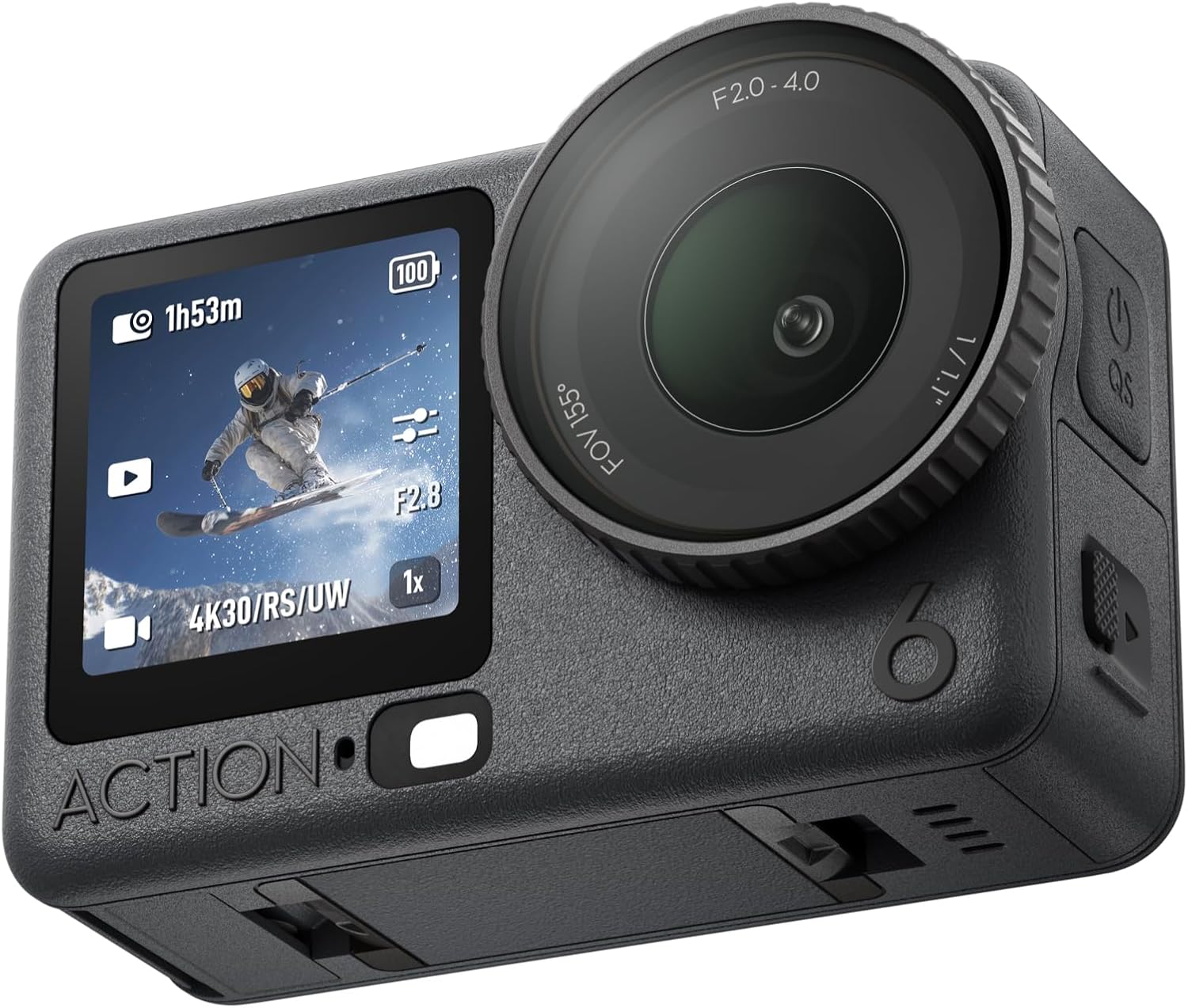
DJI’s latest action camera does something unprecedented: it includes a variable aperture. The f/2.0 to f/4.0 range might seem modest, but it’s the first time any action camera has offered aperture control. Combined with a 1/1.1-inch sensor and the ability to shoot 4K at 120fps, the Action 6 positions itself as a “real camera” that happens to be waterproof to 20 meters.
The square sensor enables 4K Custom mode, recording at 3840×3840 resolution that can be cropped to any aspect ratio in post. It’s a clever solution to the vertical video problem, though it requires 50GB of internal storage to be practical. The f/4.0 Starburst mode creates dramatic light patterns without filters—a feature borrowed from traditional cameras that makes perfect sense here.
DJI claims four-hour battery life, which testing confirms if you turn off the screens and avoid 4K/120fps recording. Real-world use delivers closer to two hours, which is still impressive for a camera this capable.
What We Like: Variable aperture enables genuine creative control; square sensor solves the orientation problem
What We Dislike: $379 price reflects the premium features; larger sensor makes the camera noticeably bulkier
KEF Coda W Wireless Speakers
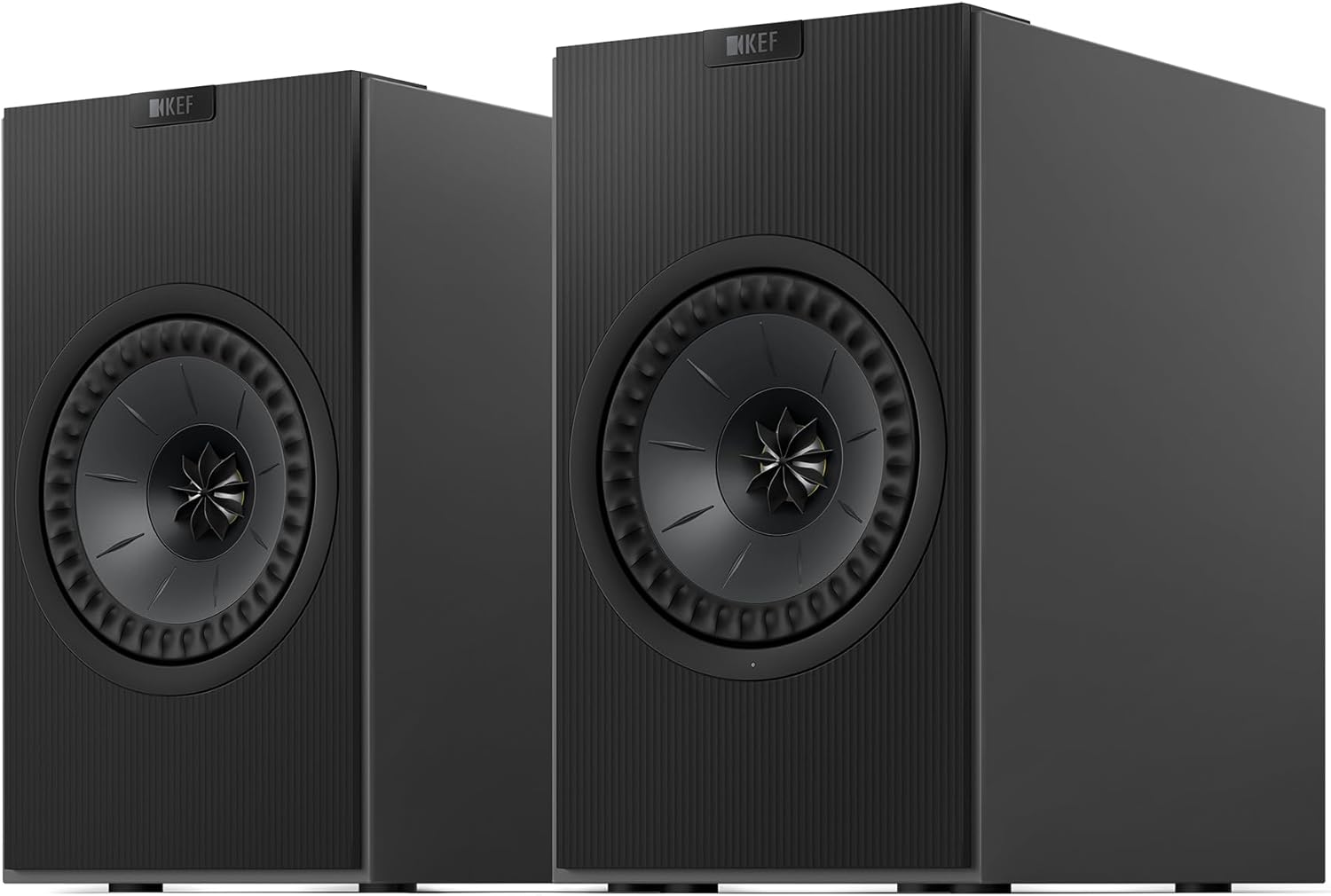
KEF revived their 1970s Coda line with speakers that prioritize vinyl playback, including a built-in phono preamp that eliminates the need for additional equipment. At $999, the Coda W delivers 200 watts across two speakers, using 12th-generation Uni-Q drivers that place the tweeter in the center of the woofer for true point-source sound.
The decision to skip Wi-Fi for Bluetooth-only streaming feels retrograde until you consider the target audience. These speakers assume you have physical sources—turntables, CD players, game consoles—that need quality amplification. The HDMI ARC input and USB-C connection acknowledge modern realities without abandoning analog roots.
KEF’s Music Integrity Engine DSP runs constantly, correcting phase and timing issues that most listeners won’t consciously notice but will unconsciously appreciate. The inter-speaker cable requirement seems primitive compared to fully wireless systems, but it ensures perfect synchronization and eliminates wireless interference.
What We Like: Built-in phono preamp perfect for turntable renaissance; Uni-Q drivers deliver exceptional imaging
What We Dislike: No Wi-Fi means no Spotify Connect or AirPlay; requires careful positioning for optimal bass response
WELDER Foldable Keyboard
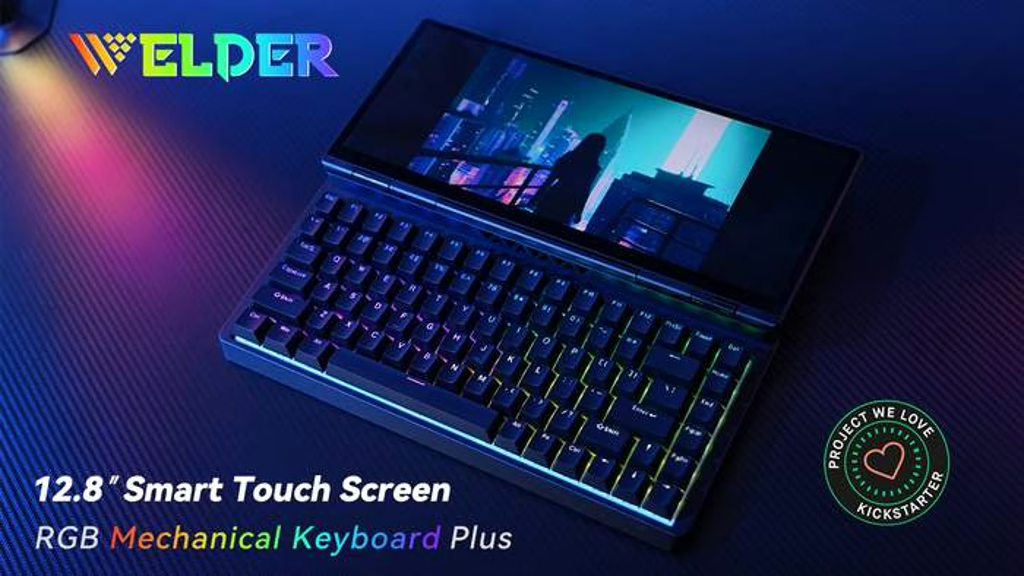
The WELDER keyboard represents peak feature creep: an 84-key mechanical keyboard that folds in half and includes a 12.8-inch touchscreen above the number row. At one kilogram, it weighs as much as a small laptop while providing less functionality but more tactile satisfaction.
The 1920×720 touchscreen works as a secondary display for any device supporting video over USB-C. The implementation is surprisingly polished, with 10-point touch and enough brightness for indoor use. Hot-swappable switches and RGB lighting check the mechanical keyboard boxes, while 65W power delivery means it can charge your laptop while you type.
Currently seeking funding on Kickstarter at $339 (planned retail: $699), the WELDER embodies crowdfunding’s promise and peril. It’s solving a problem that might not exist for an audience that might not materialize, but the engineering effort is undeniably impressive.
What We Like: Touchscreen integration genuinely useful for specific workflows; mechanical switches maintain quality despite folding mechanism
What We Dislike: One kilogram is heavy for portable use; Kickstarter delivery timeline inherently optimistic

Satechi Qi2 3-in-1 Magnetic Charging Stand
The charging stand that thinks it’s architecture comes from Satechi, whose $130 Qi2 wireless charger looks suspiciously like Apple’s Pro Display XDR stand had a child with a folding travel accessory. The aluminum construction and vegan leather base suggest premium intentions, while the ability to charge iPhone, Apple Watch, and AirPods simultaneously suggests practical ones.
What sets this apart from the growing pile of MagSafe clones is the execution. The Apple Watch charger hides behind the phone mount, allowing StandBy Mode to function properly—a detail competitors routinely miss. The whole assembly folds flat for travel, includes international adapters, and manages to look elegant doing it. Qi2 certification means 15W charging for iPhones, matching MagSafe speeds without Apple’s licensing fees.
The included 45W power adapter feels generous in an era where most accessories expect you to provide your own power. The hinges maintain their position without weakening over time, according to early testing. At $130, it’s priced between budget options that feel cheap and premium solutions that cost twice as much for marginal improvements.
What We Like: Thoughtful design allows StandBy Mode; includes power adapter and travel adapters; aluminum construction feels permanent
What We Dislike: Limited to Apple ecosystem for now; folding mechanism adds unnecessary weight for desktop use

OrigamiSwift Foldable Mouse
The computer mouse that refuses to accept its form factor arrives courtesy of designer Horace Lam, whose OrigamiSwift transforms from a 4.5mm-thin sheet into a full-sized pointing device through magnetic origami. At 40 grams, it weighs less than most chocolate bars while promising the functionality of a desktop mouse.
The transformation happens in under 0.5 seconds, with magnets snapping the sides together to create the familiar mouse hump. Bluetooth 5.2 handles connectivity, mechanical switches provide tactile clicks, and a touch-sensitive strip replaces the scroll wheel. Three months of battery life from a single charge sounds optimistic until you remember how little power Bluetooth mice actually consume.
Currently available through Yanko Design for around $50, the OrigamiSwift represents either the future of portable peripherals or another solution looking for a problem. The vegan leather exterior and corner gliders suggest serious intent, but the fundamental question remains: who finds regular wireless mice too bulky? Digital nomads claim this saves crucial bag space. Everyone else wonders if they’ve been carrying mice wrong their entire lives.
What We Like: Genuinely innovative folding mechanism; weighs almost nothing; three-month battery life
What We Dislike: Touch scroll strip lacks tactile feedback; 10mm sensor bump prevents true flat storage
Analogue 3D
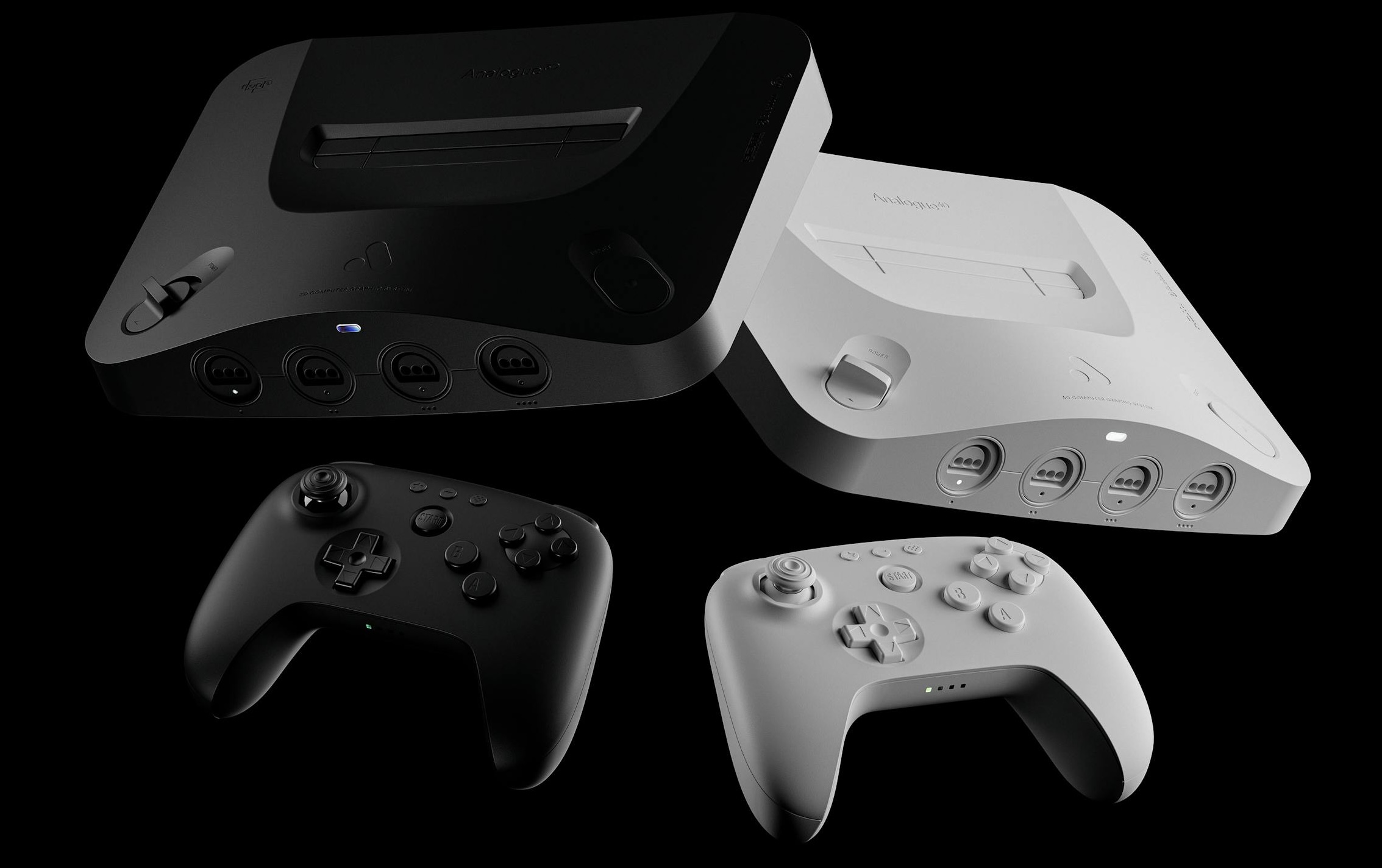
The Nintendo 64 remake nobody asked Nintendo to make arrives from Analogue, whose $250 FPGA-based console plays original cartridges in 4K while maintaining perfect compatibility. Unlike software emulation, the FPGA chip recreates N64 hardware at the circuit level, eliminating the timing issues and graphical glitches that plague even the best emulators.
The Intel Cyclone 10 GX chip took four years to program, resulting in region-free playback of the entire N64 library with built-in Expansion Pak support. Original controllers work through authentic ports, while modern players can use the $40 8BitDo wireless controller designed specifically for this system. The custom 3DOS operating system includes CRT filters that convincingly recreate the fuzzy charm of 1990s televisions on modern 4K displays.
Analogue’s timing feels deliberate—arriving just as N64 games turn 30 and original hardware becomes increasingly unreliable. The console sold out immediately during pre-orders and won’t ship until Q1 2025, suggesting either limited production or unexpected demand. At $250, it costs the same as an original N64 adjusted for inflation, which feels both appropriate and absurd.
What We Like: Perfect compatibility through FPGA implementation; 4K output with convincing CRT filters; supports original controllers and accessories
What We Dislike: Requires original cartridges that now cost small fortunes; no built-in games or ROM support
Valve Steam Frame & Steam Machine
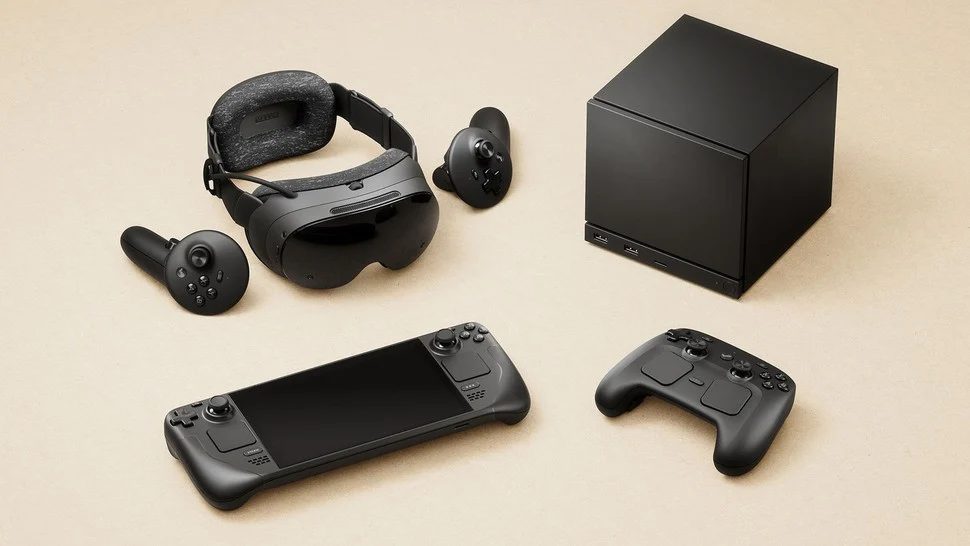
Valve’s announcement of three new hardware products—Steam Frame VR headset, Steam Machine console, and redesigned Steam Controller—represents their most ambitious hardware push since the original Steam Machines failed in 2015. The Frame stands out as a lightweight VR headset running SteamOS on a Snapdragon 8 Gen 3, weighing just 440 grams with the default strap.
The Steam Frame’s “streaming-first” approach acknowledges that mobile processors can’t handle high-fidelity VR, so it includes a 6GHz wireless adapter for PC streaming. The modular design includes an expansion port for future upgrades, suggesting Valve learned from the Index’s fixed specifications. Native Android APK support means Quest games can run directly, though without Google Play Services.
The Steam Machine returns as a compact gaming PC with AMD Zen 4 and RDNA 3 graphics, promising performance between an Xbox Series S and PlayStation 5. The 8GB of VRAM might limit 4K gaming despite Valve’s claims, but the SteamOS experience has matured significantly since 2015. With a vague “early 2026” release date and no pricing, these remain fascinating vaporware—though Valve’s Steam Deck success suggests they might actually ship this time.
What We Like: Steam Frame’s 440-gram weight beats all competitors; modular design enables future upgrades
What We Dislike: “Early 2026” could mean anything in Valve time; streaming-first approach requires existing gaming PC