Every March, millions of Americans lose an hour of sleep overnight and spend the next week paying for it. This year, Daylight Saving Time begins on March 8 (March 29 for those in the UK), landing squarely inside Sleep Awareness Week (March 8–14, 2026), a national initiative highlighting just how badly most of us are sleeping already. More than 1 in 3 adults aren’t getting the recommended 7 to 9 hours per night, and a single clock change is enough to throw an already fragile routine completely off track.
The consequences go beyond feeling groggy. Chronic sleep deprivation is linked to impaired immunity, cognitive decline, mood disorders, and increased cardiovascular risk. The good news is that a few deliberate adjustments before and after the time change can make a real difference. Here’s where to start.
1. Start Shifting Your Schedule Before the Clock Changes
Don’t wait until Sunday morning to absorb the full hour. In the days leading up to March 8, move your bedtime and wake time 15 to 20 minutes earlier each night. By the time the clocks spring forward, your body has already done most of the adjusting. The American Academy of Sleep Medicine recommends exactly this approach, noting that the disruption from DST isn’t just inconvenient, either. It’s associated with increased risk of heart attack, stroke, and fatal traffic accidents in the days immediately following the change.
2. Use Sleep Sounds to Wind Down Faster
One of the most effective ways to accelerate sleep onset is by giving your brain something neutral to focus on. Sleep sounds like white noise, rain, or ambient soundscapes mask the kind of environmental noise that keeps light sleepers awake and signal to your nervous system that it’s time to downshift. This is particularly useful during the DST transition, when your body clock and the actual clock are briefly out of sync. BetterSleep’s library of sleep sounds covers everything from white noise to nature ambience, making it easy to find something that actually works for your environment.
3. Keep Your Sleep Schedule Consistent on Weekends

It’s tempting to sleep in on Saturday and Sunday to “catch up,” but this is one of the fastest ways to make the DST transition worse. According to Johns Hopkins researchers, the misalignment between your biological clock and your social schedule can last for the entire duration of DST, not just the first few days. Keeping your wake time within 30 minutes of your weekday schedule, even when you don’t have to, is one of the highest-leverage habits in sleep hygiene.
4. Try a Guided Sleep Meditation Before Bed

Racing thoughts are a primary driver of delayed sleep onset. A survey of over 12,000 meditation app users found that 82% cited racing thoughts as their main reason for struggling to fall asleep. The research backs the fix: mindfulness meditation and relaxation techniques have been shown to significantly reduce total wake time, with one clinical trial finding participants cut nightly wake time by nearly 43 minutes compared to a control group. Even a consistent 10 to 30-minute pre-bed session can help train your brain to associate the routine with sleep. BetterSleep’s guided meditation library is designed for exactly this, with sessions built around sleep onset rather than general mindfulness.
5. Optimize Your Bedroom Environment
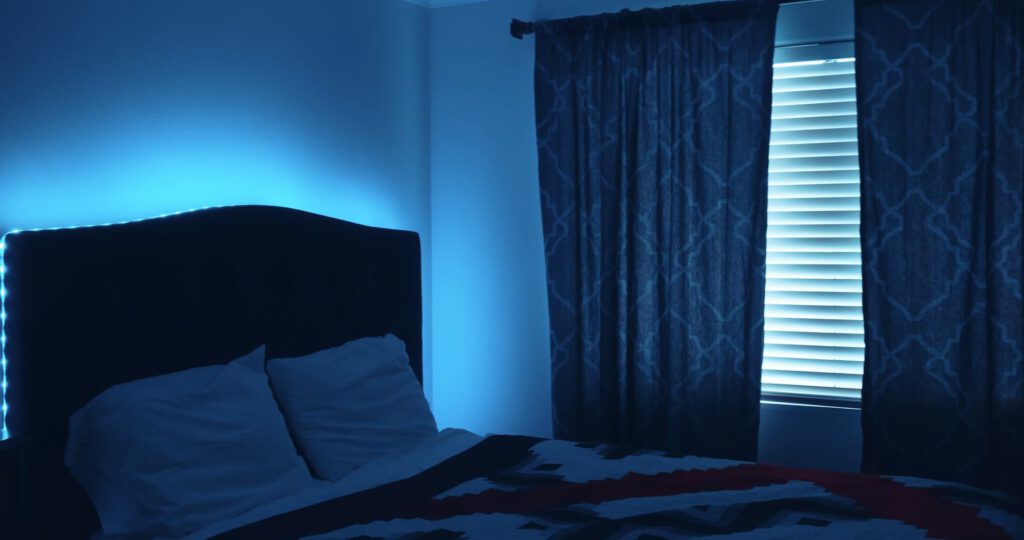
Your sleep environment does a lot of the work your willpower can’t. The research is consistent: cooler temperatures around 65 to 68 degrees Fahrenheit, complete darkness, and minimal noise produce better sleep quality than almost any supplement or gadget. Blackout curtains are worth the investment year-round, but especially in spring when sunrise starts arriving earlier. UC San Francisco sleep researchers note that the Monday after DST, dubbed “Sleepy Monday,” is associated with a 6% spike in fatal car accidents — a sobering reminder of how much the environment around your sleep actually matters.
Temperature is the piece that most people underestimate. Your body needs to drop its core temperature by 1 to 2 degrees Fahrenheit to initiate and sustain deep slow-wave sleep. When that cooling process stalls (a warm room, heavy blankets, a mattress that traps heat) your brain cycles out of deep sleep and into lighter REM and stage 1 sleep, where waking up is easy and getting back down is hard. A cooling mattress pad or breathable bedding can help, and so can keeping the thermostat lower than feels intuitive. Most people sleep in rooms that are 5 to 7 degrees warmer than the research recommends.
6. Build a Nighttime Routine With BetterSleep
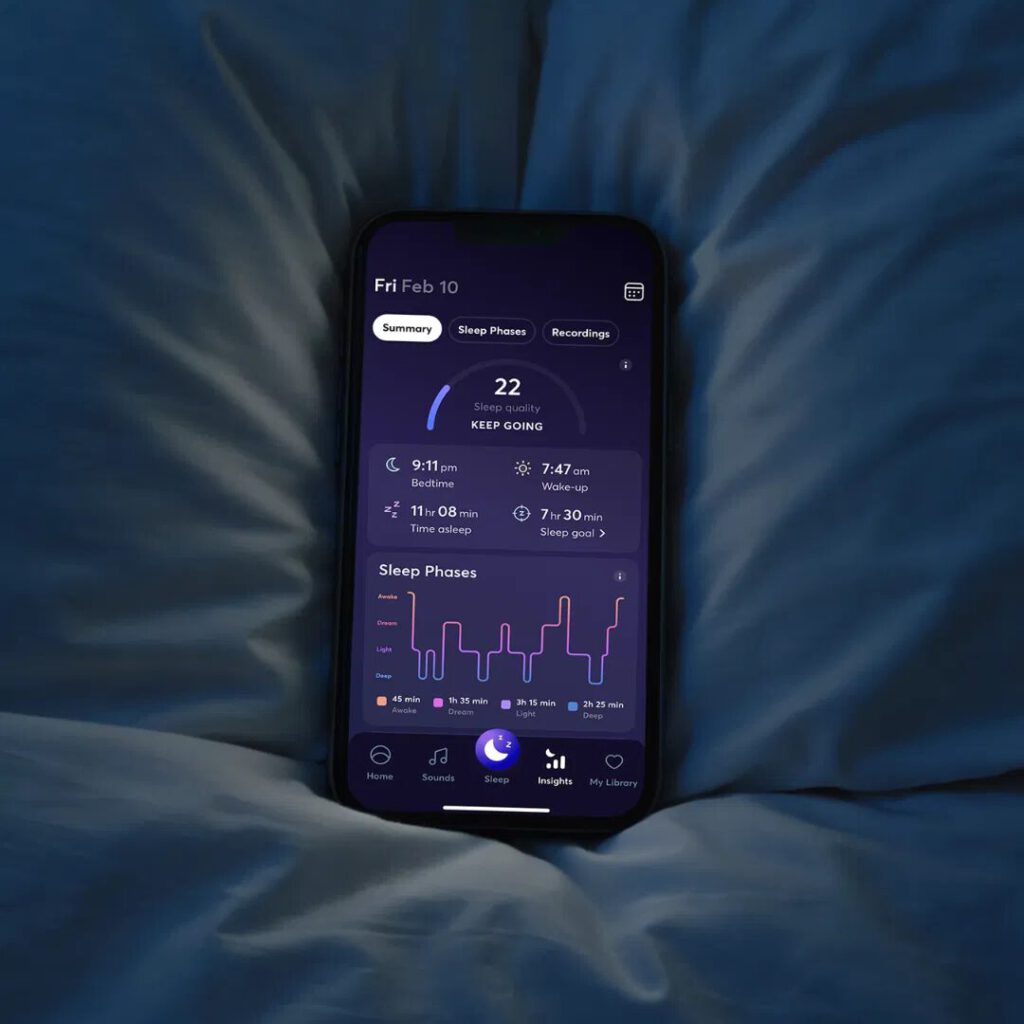
A consistent pre-bed routine is one of the most evidence-backed tools for improving sleep quality, and BetterSleep is built around exactly that. The app combines guided sleep meditations, calming soundscapes, sleep stories, and relaxation techniques into a single platform designed to help adults build a realistic nighttime routine. It’s particularly well-suited for people dealing with ongoing sleep challenges, whether that’s trouble falling asleep, staying asleep, or just winding down after a stressful day. During the DST adjustment period, having a single go-to app that anchors your routine matters more than ever. Available on both iOS and Android.
7. Cut Off Caffeine, Alcohol, and Screens Earlier Than You Think
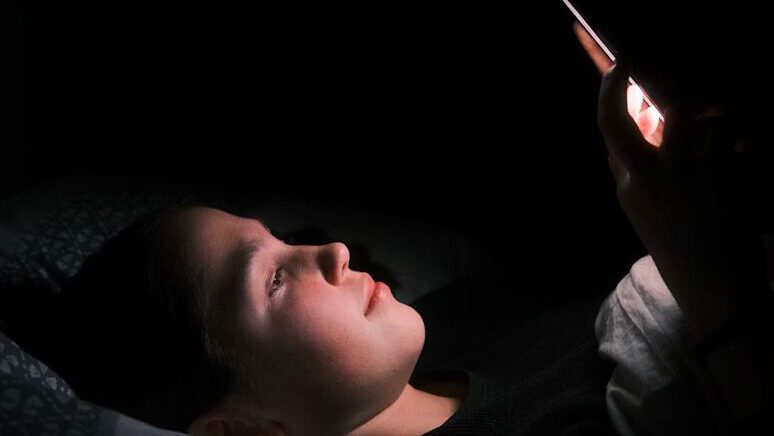
Most people know to avoid coffee late in the day, but the timing matters more than they realize. Caffeine has a half-life of around five to six hours, meaning a 3 pm coffee still has half its potency at 8 pm. Alcohol is similarly misunderstood: it may help you fall asleep faster, but it significantly disrupts sleep quality in the second half of the night.
Screens compound both problems by suppressing melatonin production at exactly the time your brain needs it. During the DST transition, tightening all three cutoffs by 30 to 60 minutes is a simple way to give your body clock a fighting chance.
8. Learn What’s Actually Disrupting Your Sleep
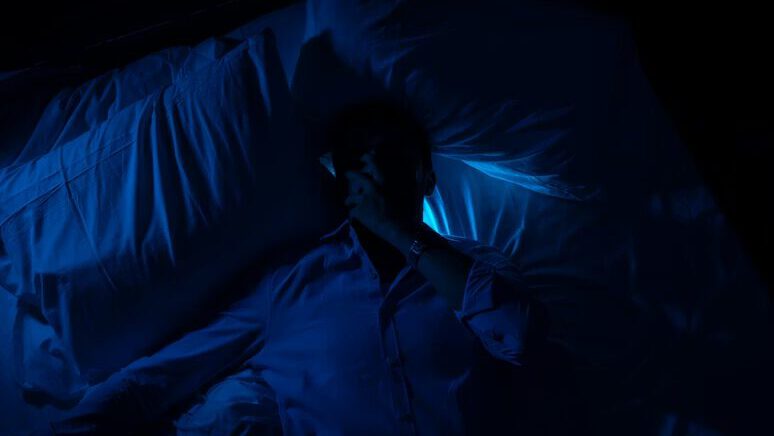
Sometimes the problem isn’t routine or environment. It’s an underlying sleep disorder that’s gone unrecognized. Insomnia and sleep apnea are two of the most common, and both are frequently underdiagnosed. A 2024 systematic review of 149 studies across 36 countries confirmed that DST transitions compound existing sleep disorders rather than create new ones — meaning if you’re already struggling, the spring clock change hits harder.
If you’re doing everything right and still waking up exhausted, it’s worth talking to a doctor. In the meantime, understanding the basics of better sleep gives you a clearer picture of what’s actually going on and what’s worth addressing first. BetterSleep is a practical starting point for building that awareness into a nightly habit.