Your ChatGPT habit has consequences you probably haven’t considered. While you’re crafting prompts and marveling at AI responses, the massive data centers powering these tools face fierce local opposition across America. According to recent surveys by Redfin/Ipsos and Gallup, 47-70% of Americans oppose AI data centers in their neighborhoods—higher resistance than nuclear plants at 53%.
Your Bills, Their Business Model
Communities discover AI infrastructure brings minimal jobs but maximum strain on resources.
The opposition isn’t just NIMBYism run wild. Residents cite legitimate concerns:
- Excessive water and energy consumption (affecting 50% of opponents)
- Higher utility bills (20%)
- Pollution plus noise (16%)
These hyperscale facilities can consume power equivalent to entire cities—OpenAI’s Michigan project alone uses 1.4 gigawatts, enough electricity for one million homes.
Yet post-construction employment typically drops to 20-50 staff members. Virginia and Georgia have already sacrificed over $1 billion in tax revenue through incentive packages that deliver underwhelming returns.
The Generational Technology Gap
Younger Americans support AI data centers more than their parents, but still worry about local impacts.
The demographic splits reveal fascinating contradictions:
- Gen Z (48% support) and Millennials (50% support) embrace these facilities more than Gen X (38%) and Boomers (22%)
- Democrats oppose more strongly (56%) than Republicans (39%)
- Women (55%) resist more than men (43%)
- Midwest and South residents oppose at 75-76% rates versus 63-68% elsewhere
Yet even tech-native younger users express reservations about infrastructure in their backyards.
The Infrastructure Reality Check
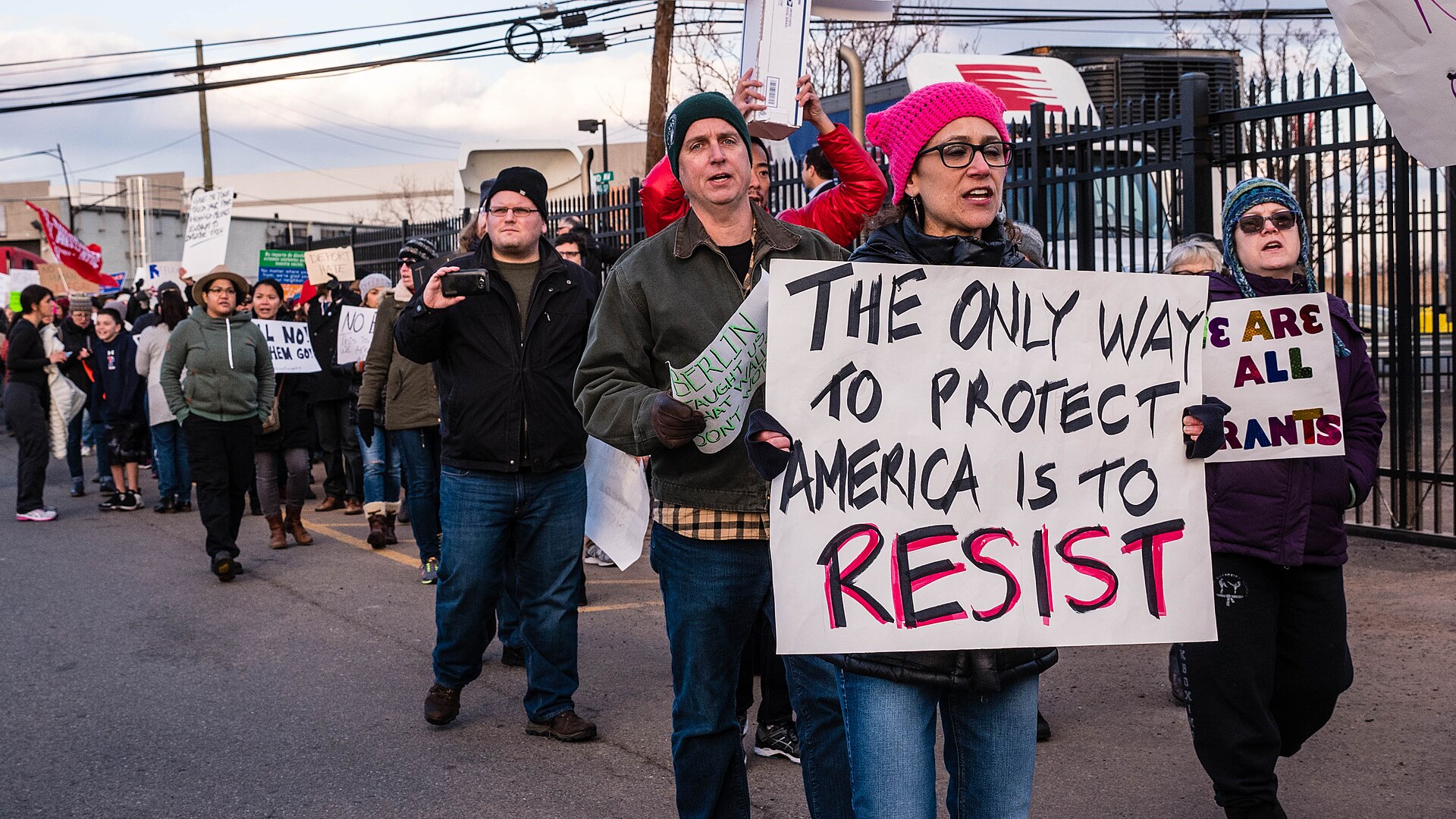
AI boom meets community resistance as lawmakers question billion-dollar tax breaks.
“The public is quite right to be concerned about data centers… a bad deal for communities,” explains Ben Green from the University of Michigan. Bipartisan resistance now threatens the expansion plans crucial for AI development. States are reconsidering tax incentives while communities demand transparency and utility rate protections. Data centers could consume 10-15% of U.S. electricity within years, straining renewable energy goals.
Your AI tools aren’t disappearing, but expect higher costs and slower expansion as the infrastructure reality collides with community pushback. The convenience of instant AI responses suddenly looks less magical when the power plants backing them land next door.