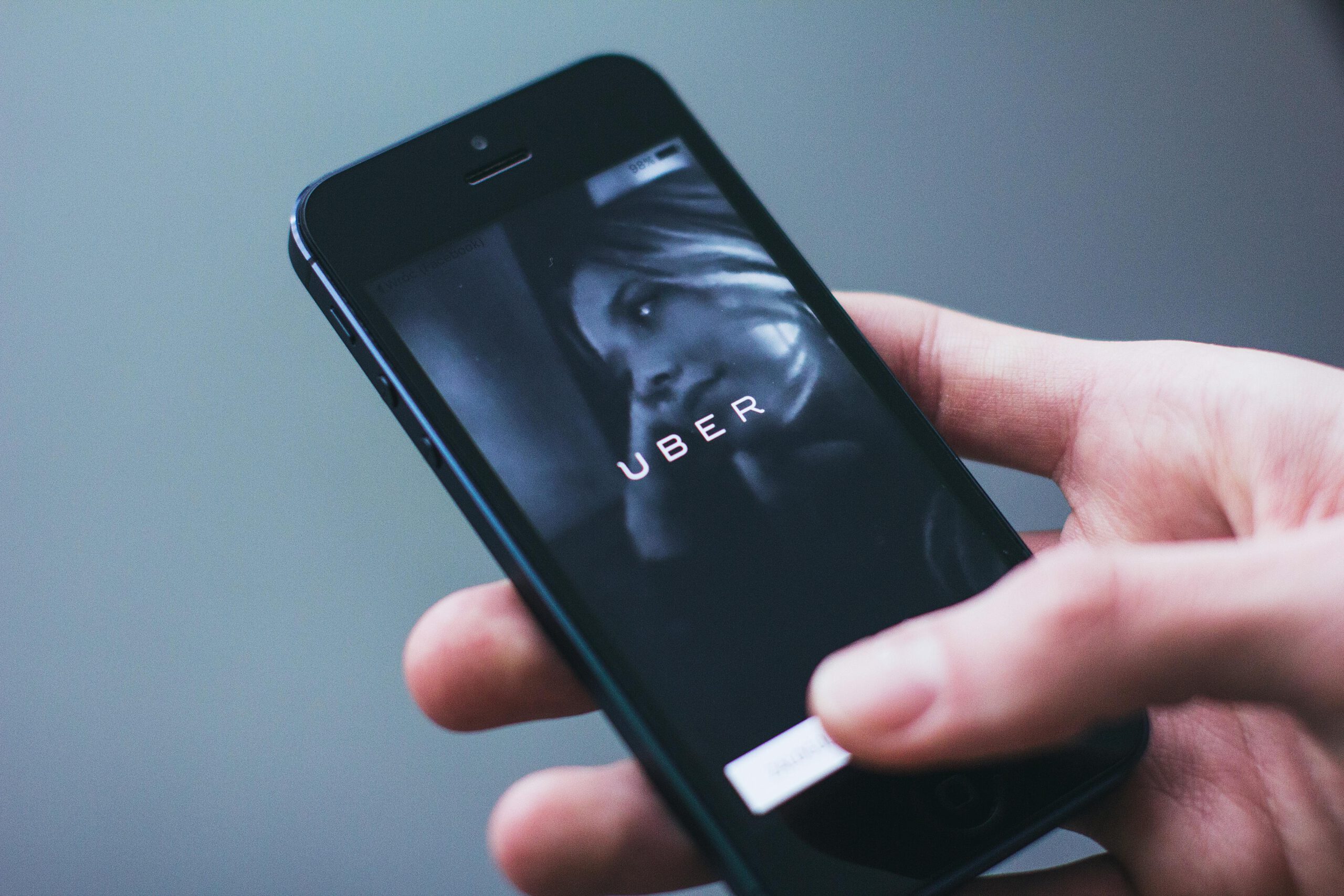
Privacy panic videos flood TikTok, but the real ride-share data story is more mundane than malicious. While viral claims suggest Uber and Lyft penalize hesitant riders or inflate prices based on gender, available evidence reveals a different reality. These apps do track extensively—but for efficiency and safety, not psychological manipulation. Understanding what’s actually happening with your data helps separate legitimate privacy concerns from digital folklore.
The Real Tracking: Safety Features, Not Spy Games
Your location data powers crash detection and route optimization, not rider profiling schemes.
Your Uber app tracks location for the same reason your bank monitors transactions: preventing fraud and ensuring service. GPS data enables SOS alerts, anomaly detection for route deviations, and real-time safety monitoring. The AI algorithms analyze ride history to pair you with nearby drivers and predict demand patterns—making your pickup faster, not your bill higher.
These systems focus on logistics optimization rather than behavioral psychology. While social media amplifies claims about secretive tracking penalties, the evidence points toward standard industry practices designed for operational efficiency and user safety.
Surge Pricing Algorithms Target Traffic, Not Your Indecision
Dynamic pricing reflects citywide demand patterns and traffic conditions, not individual hesitation.
That surge price hitting your Friday night ride reflects the same supply-demand economics as concert tickets or hotel rates. Machine learning analyzes traffic patterns, event schedules, and historical demand to set pricing—not your app-scrolling behavior or payment method.
Available research shows no verified evidence supporting claims of “hesitant rider penalties” or gender-based inflation schemes. The algorithms optimize for market conditions through standard demand forecasting, not personal manipulation. The opacity around pricing decisions understandably fuels speculation, but the mechanics operate on aggregate data patterns rather than individual behavioral targeting.
Data Collection Reality: Personalization, Not Penalization
Apps gather behavioral data for convenience features, but evidence for punitive pricing schemes remains unsubstantiated.
Ride-sharing platforms do collect extensive behavioral data—your frequent destinations, preferred ride types, and payment patterns. This powers features like destination suggestions and driver preferences, similar to how Netflix recommendations work. The data enables personalization rather than exploitation. The real issue isn’t secret price manipulation—it’s transparency about how your data shapes your experience and what privacy protections exist.
However, sources indicate no confirmation of the more sinister tracking claims circulating online. While legitimate privacy concerns exist around data collection scope, the evidence points toward personalization rather than exploitation. The real issue isn’t secret price manipulation—it’s transparency about how your data shapes your experience and what privacy protections exist.
Your ride-share apps track more than you might prefer, but less nefariously than viral videos suggest. The actual privacy conversation should focus on data transparency and user control, not unsubstantiated theories about algorithmic mind games.