The Motorola Signature 27 carries a Snapdragon 8 Elite Extreme Gen 6 processor, a 7,000 mAh battery, 90W wired charging, 50W wireless charging, and a 200MP periscope telephoto camera. Its Extreme AMOLED display runs at 120Hz with a manufacturer-claimed peak brightness of 12,000 nits, and Motorola’s U.S. product page claims up to 77 hours of battery life for the 12GB/512GB model, though a separate Motorola support page lists up to 54 hours; the discrepancy has not been resolved against a specific test methodology.
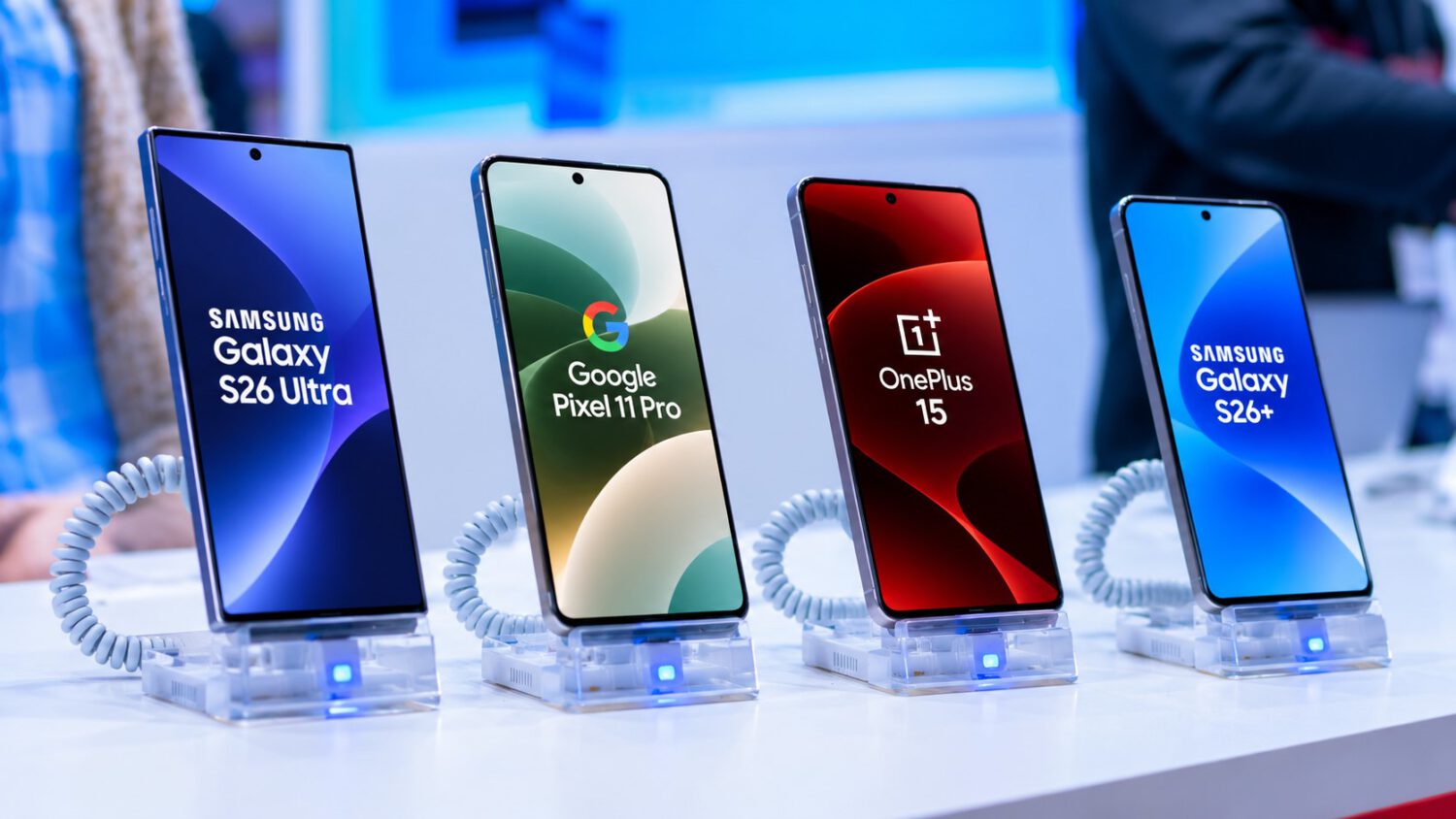
That price puts it squarely against phones from Samsung, Google, and OnePlus, each offering compelling trade-offs worth knowing before you spend.
Samsung Galaxy S26 Ultra
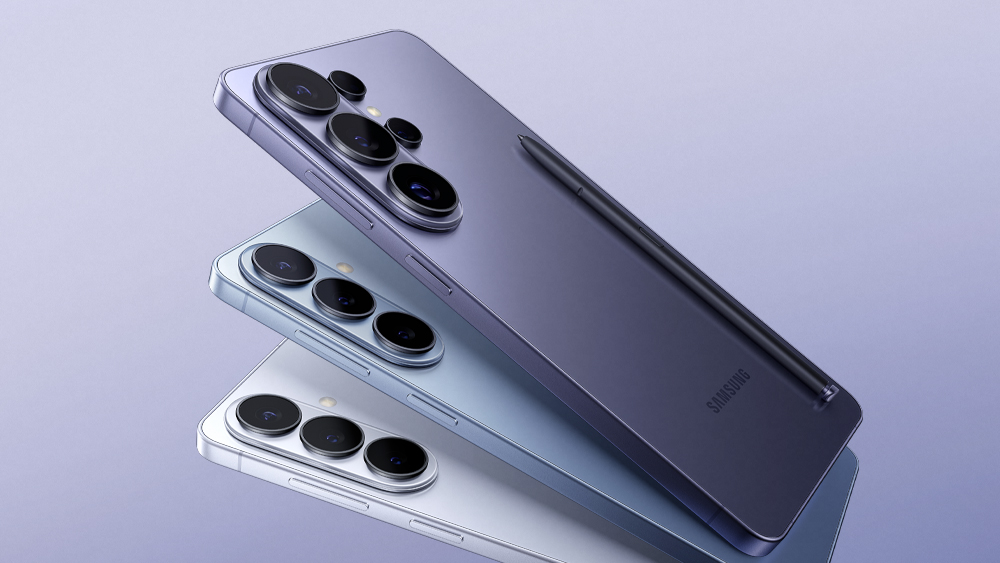
The S26 Ultra costs less than the Signature 27 at the base configuration and brings hardware Motorola cannot match.
The S26 Ultra’s integrated S Pen is a genuine differentiator for productivity-focused buyers, and its 200MP main camera with 8K video recording matches one of the Signature 27’s headline camera figures. Battery capacity and processor generation trail the Signature 27 on paper, and the Samsung software ecosystem adds mature camera processing for everyday use. Samsung lists U.S. pricing from $1,299.99 for the base configuration, which is $300 below Motorola’s asking price.
Best for buyers who prioritize the S Pen, Samsung’s ecosystem, and advanced camera features over maximum battery capacity.
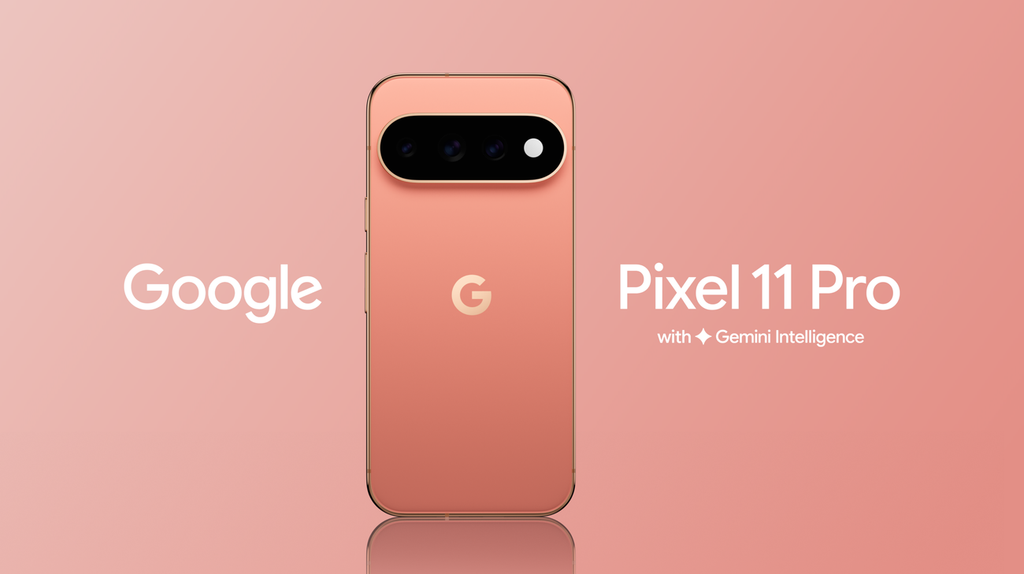
Google Pixel 11 Pro
Google’s compact flagship undercuts the Signature 27 by $500 and brings its own camera argument.
Starting at a reported $1,099, the Pixel 11 Pro is the lowest-priced phone in this comparison. Its three-camera system uses a 50MP main, 48MP ultrawide, and 48MP telephoto lens, with manufacturer-claimed AI-assisted digital zoom up to 120x, slightly ahead of Motorola’s stated 100x Super Zoom Pro. Charging speed is reported to lag behind the Signature 27, and buyers who want to minimize AI-driven features may find Google’s software direction less appealing.
Best for buyers who want premium camera processing and Google software in a compact form at a lower entry price.
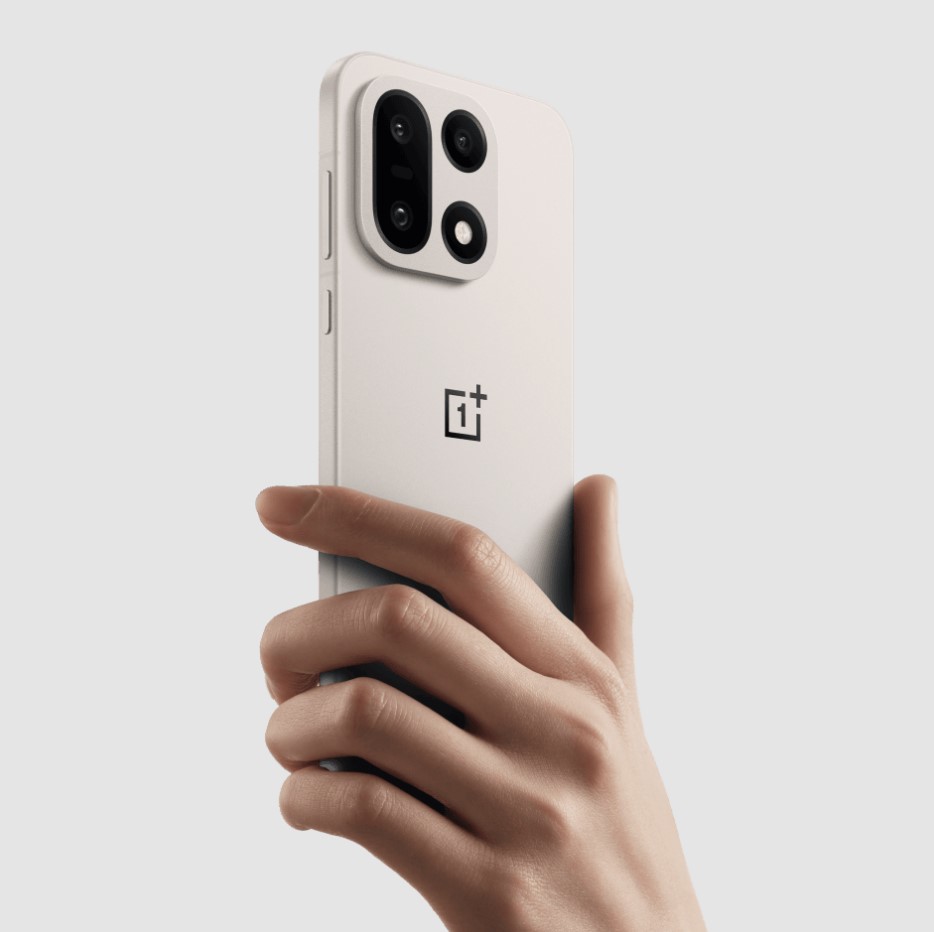
OnePlus 15
OnePlus wins on battery and charging specs, but its U.S. future is genuinely uncertain.
The OnePlus 15 edges out the Signature 27 on two headline figures: a reported 7,300 mAh battery versus 7,000 mAh, and a claimed 100W wired charging rate versus Motorola’s 90W. Its AMOLED display runs at a reported 165Hz refresh rate, which may appeal to mobile gamers. Current pricing on Amazon sits around $1,029 for the 256GB model; that figure reflects live retail pricing and should not be treated as a permanent manufacturer MSRP, particularly since the reported manufacturer price for that configuration is lower.
OnePlus’s U.S. market presence is unconfirmed at this time; verify current availability and after-sales support in your region before purchasing.
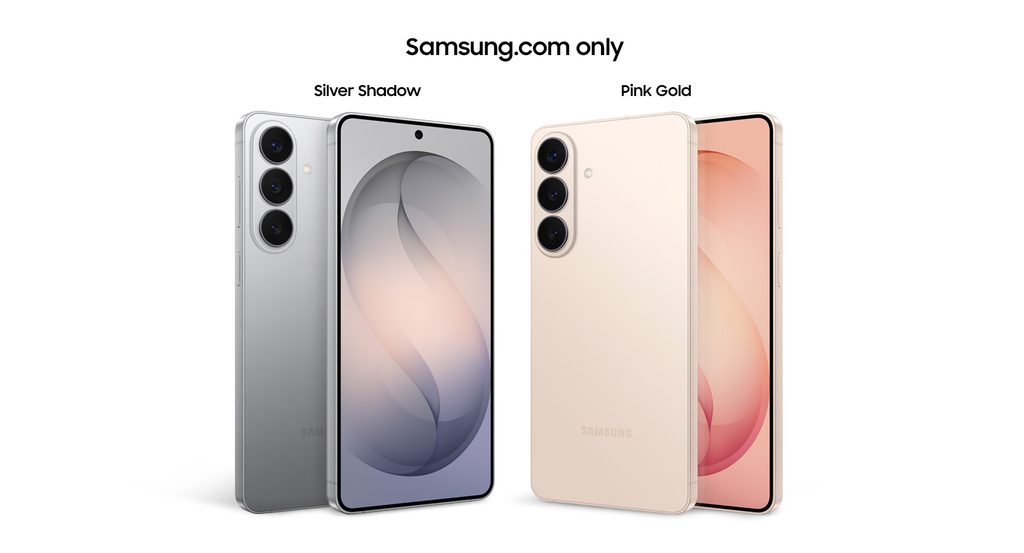
Samsung Galaxy S26+
Samsung’s ecosystem depth is available for $400 less than the Signature 27.
The Galaxy S26+ offers a QHD+ OLED display and the same Snapdragon 8 Elite family processor as the S26 Ultra, with Samsung DeX desktop functionality included. It skips the S Pen and 200MP camera found on the Ultra, with its main camera topping out at 50MP. Samsung lists U.S. pricing at $1,199.99 MSRP, which should be confirmed against Samsung’s current product page before purchase.
Best for buyers who want Samsung’s software and ecosystem without paying Ultra-tier pricing.
Quick-Reference Buyer Guide
Match your priority to the right phone:
- S Pen and Samsung software: Galaxy S26 Ultra
- Lowest entry price, compact form, Google camera processing: Pixel 11 Pro
- Largest reported battery, fast wired charging, high-refresh gaming display: OnePlus 15
- Samsung ecosystem and DeX on a tighter budget: Galaxy S26+
- Large battery capacity, extreme claimed brightness, newest listed Snapdragon: Motorola Signature 27
What $1,599 Actually Requires From You
Knowing which features you will use daily matters more than which spec sheet wins on paper.
Spending $1,599 on a smartphone is a commitment, not an impulse. The phones above demonstrate that manufacturer-claimed superiority in one or two categories rarely justifies a premium if the rest of your daily use lands elsewhere.