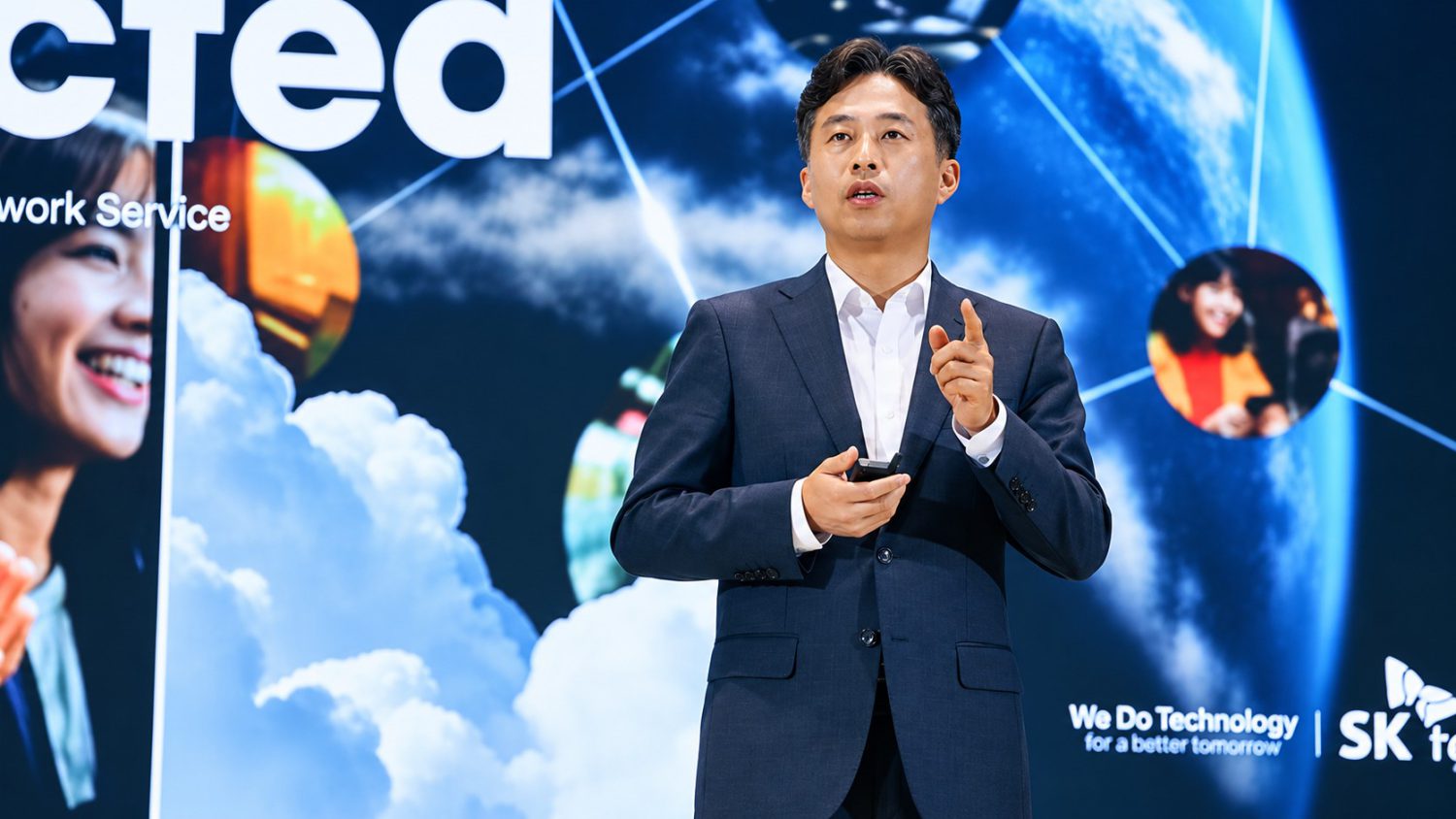
SK Hynix CEO Kwak Noh-jung told Reuters on July 10 that 2027 will be “the worst year in the industry’s history from the supply perspective.” DRAM — the memory inside your phone, laptop, and every AI server humming in a data center somewhere — is at the center of this crisis. This isn’t a 2021 chip-shortage replay. Micron CEO Sanjay Mehrotra calls it “structural rather than cyclical,” meaning AI demand has permanently reshuffled who gets memory first, a dynamic further amplified by projects like the Stargate Project. Your upgrade plans are somewhere near the back of a very long line.
Why AI Is Eating Your RAM
Data centers locked up the supply chain before you even knew there was a shortage.
High-bandwidth memory, or HBM — the ultra-fast chips stacked inside AI accelerators like NVIDIA’s GPUs — is reportedly sold out through 2027. Hyperscale cloud customers have pre-committed roughly $22 billion in advance deposits to secure it. The production lines that make commodity DRAM for your laptop are being reallocated toward higher-margin HBM stacks. Your next upgrade is losing a chip fight to a data center it will never meet.
- Kwak told Reuters that SK Hynix expects demand to exceed supply capacity “even beyond 2030”
- Micron’s new fabs in Idaho, New York, and Singapore won’t ship meaningful volume until mid-2027 at earliest
- Micron is currently fulfilling only 50–66% of some key customers’ DRAM and NAND orders
- Apple, HP, Dell, and Lenovo have already raised prices, with Apple explicitly citing the memory crunch after investing heavily in AI chips
“We forecast that next year will be the worst year in the industry’s history from the supply perspective… We still forecast that customer demand will remain higher than our supply capacity even beyond 2030.” — Kwak Noh-jung, CEO, SK Hynix, via Reuters
That forecast deserves one asterisk: memory makers profit handsomely from tight supply. Scarcity is their pricing power. That doesn’t make Kwak wrong — but it’s worth noting whose forecast benefits whom.
Bloomberg Intelligence analyst Shuli Ren offers a sharply different read. Her research argues the shortage already peaked in Q2 2026. Her sufficiency ratio — a modeled measure of supply-demand balance — suggests conditions stabilize by Q4 2027 and could flip to oversupply in 2028 as massive capital investment from all three major makers comes online. The swing from scarcity to glut is the semiconductor equivalent of everyone panic-buying sourdough starter in 2020 and drowning in bread flour by 2021. Even under Ren’s optimistic scenario, meaningful relief doesn’t arrive before late 2027.
What This Means for Your Next Upgrade
Waiting for a 2027 deal on a new laptop is an optimistic strategy under either forecast.
Nothing CEO Carl Pei put it plainly: “If you’ve been waiting to upgrade a device, the best time was yesterday. The next best time is now.” Multiple OEMs have already moved prices up. Multi-year supply contracts lock in elevated costs even if wholesale memory prices eventually ease. Don’t panic-buy. Do recognize that budget laptops and mid-range smartphones — the categories most exposed to commodity DRAM swings — are likely to see the steepest price pressure through 2027. Extending the life of existing gear through software optimization or a RAM upgrade, where your machine still allows it, is the practical move right now.
Whether Kwak or Ren is right about the timeline, the era of cheap, abundant memory is on pause. The AI supercycle rewrote who memory gets built for — and right now, that’s AI data centers, not you. Consumers aren’t first in line anymore. They’re not even close.