Red light therapy might sound like wellness theater, but actual research backs this trend. A 2014 study with 136 volunteers found that polychromatic red light significantly improved skin texture, collagen density, and overall complexion after 30 sessions. The science targets cellular function through specific wavelengths—typically 600-850 nm—to boost skin rejuvenation and reduce inflammation. While pain relief studies show mixed results, the skin benefits are consistently documented across multiple trials.
This content may contain affiliate links. If you wish to support us and use these links to buy something, we may earn a commission.
4. What Red Light Therapy Actually Does
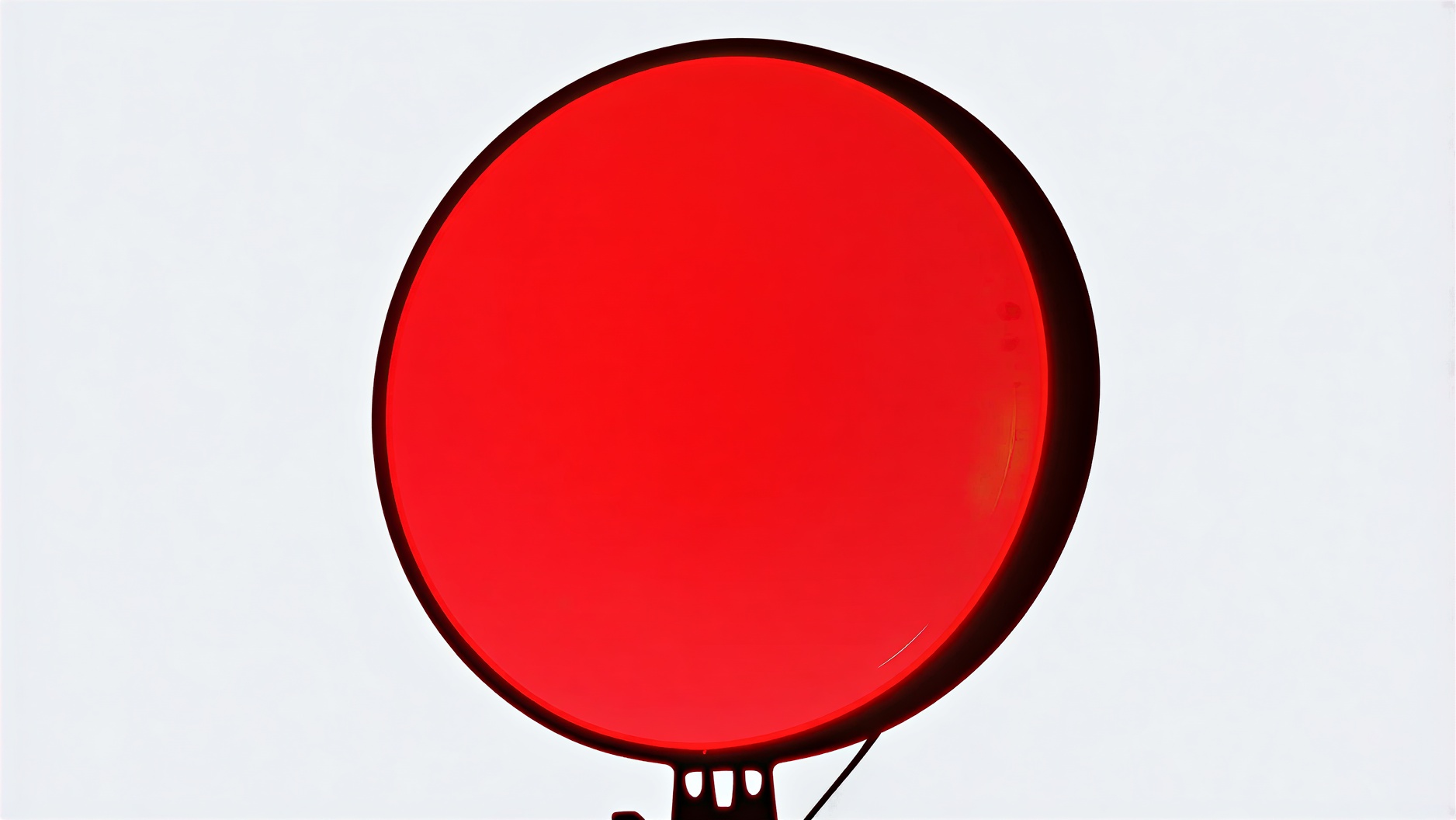
Photobiomodulation works by stimulating mitochondria in your cells, like giving them a gentle caffeine boost.
Red light therapy, also known as photobiomodulation (PBM), involves exposing yourself to low-level red or near-infrared light between 600-850 nm wavelengths. This process targets cellular function to promote skin rejuvenation and reduce inflammation. Think of it as your skin’s personal trainer—encouraging collagen production and cellular repair without the invasive procedures. UCLA research confirms FDA-cleared home devices can reduce wrinkles and discoloration through collagen stimulation.
3. The Research Reality Check
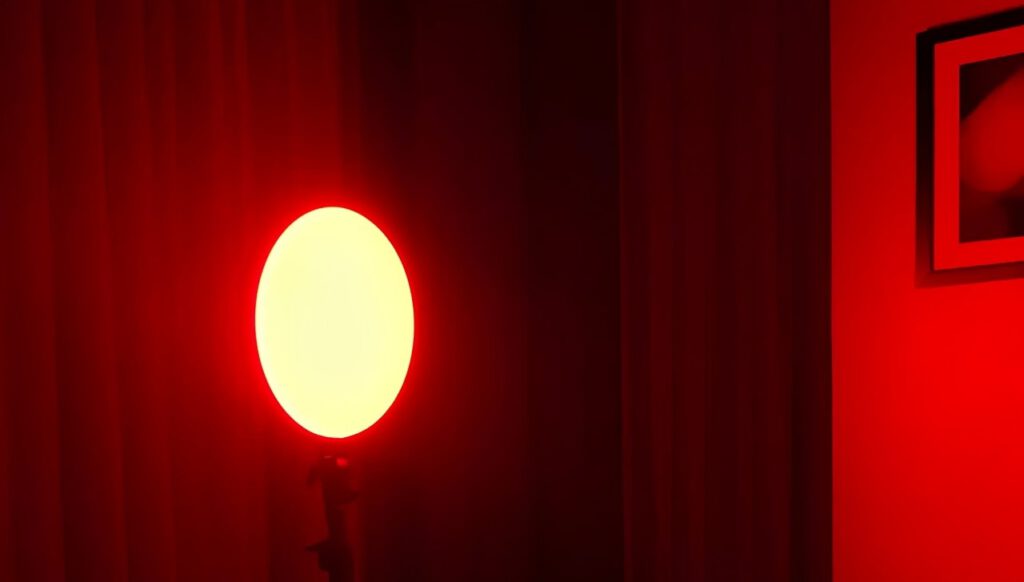
Studies show promise, but the wellness claims often outpace the actual evidence.
Multiple randomized controlled trials support red light therapy’s skin benefits. One study with 90 patients reported over 90% noticed softer skin and reduced dark spots after just 8 LED treatments over 4 weeks. However, pain relief evidence remains inconsistent—benefits often fade weeks after stopping treatment. Small studies suggest short-term improvements for fibromyalgia and osteoarthritis, but larger trials are needed. Cognitive claims about dementia improvement rely on small or animal studies lacking robust human data.
2. Smart Shopping for Red Light Devices

Parameters matter more than price tags when choosing effective devices.
Look for devices specifying wavelengths between 611-650 nm, which showed the best results in clinical trials. Effective dosage typically requires around 8-9 J/cm² delivered consistently over multiple sessions. FDA-cleared home devices offer convenience, but verify technical specifications before purchasing. Anyone with photosensitive conditions should consult healthcare providers first. The most expensive device isn’t necessarily the most effective—optimization comes from matching wavelength, dose, and duration to your specific goals.
1. Chroma Red Portal

The hardest part of red light therapy isn’t finding a device, but actually using one every day.
The Chroma Red Portal runs two wavelengths: 670nm deep red and 810nm near-infrared. Both fall within the established 600-850nm therapeutic window, though the 670nm sits just above the 611-650nm range that showed the strongest results in clinical skin trials. But even with that caveat, it earns its place on your desk thanks to the ambient design. You set it on your desk or mount it above your workstation and let it run in the background. No timers, no sessions. Research is clear that consistent cumulative exposure drives results, and this format removes the friction of having to carve out dedicated treatment time every day.
If you’re primarily after skin support and stress regulation, and you want a device that actually gets used daily, the Red Portal’s passive format is a real advantage. The specs check out well enough for the application, and sitting it on your desk means you’re far more likely to rack up the consistent sessions the research actually requires.