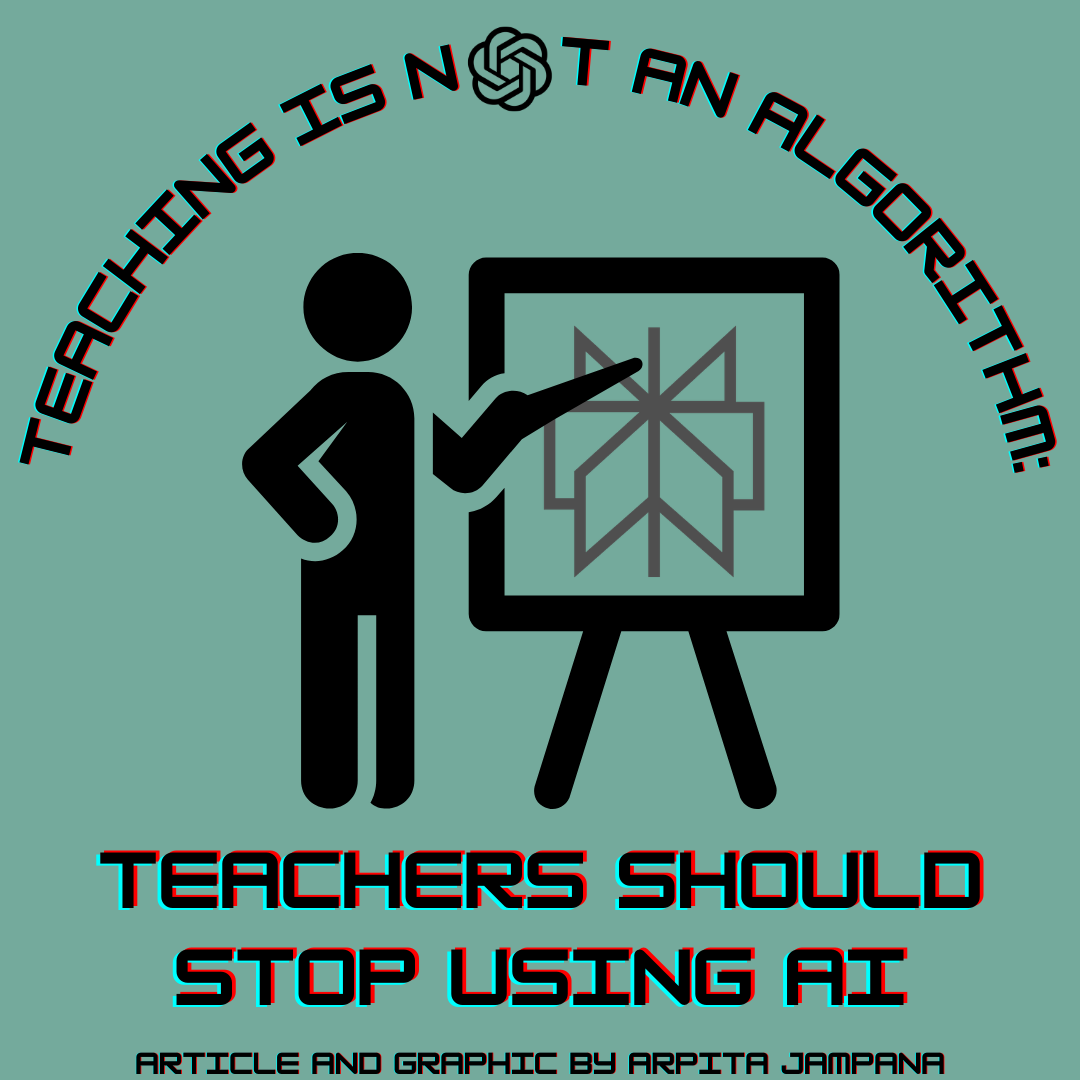
Teachers face impossible AI decisions daily, but blanket student calls to “stop using AI entirely” ignore the nuanced reality of modern classrooms. A recent student opinion piece arguing that educators should abandon artificial intelligence tools has sparked heated debate—though the reality proves more complex than absolutist positions suggest.
Student Concerns Hit Real Issues
Privacy fears and bias worries reflect legitimate problems with current AI implementation.
The student criticism isn’t unfounded. AI tools can potentially perpetuate bias, produce factually incorrect information, and create privacy concerns when handling student data. These concerns represent real challenges that educators must navigate carefully. Teachers using AI without proper training risk amplifying existing educational inequities or exposing sensitive student information.
Your kid’s essay feedback shouldn’t come from a system that can’t distinguish cultural context from grammatical error. The concern makes sense.
Education Experts Push Back on Total Bans
Research shows responsible AI integration can enhance rather than replace good teaching.
Educational technology researchers paint a different picture than the all-or-nothing approach. Evidence suggests that frameworks for responsible use offer better solutions than wholesale abandonment. Teachers who receive proper training can potentially leverage AI to handle administrative tasks, freeing time for actual instruction and student interaction.
The key word here: responsible. Like giving teenagers car keys, AI requires training, boundaries, and ongoing oversight.
The Missing Middle Ground
Smart implementation beats prohibition when teachers know what they’re doing.
Here’s what gets lost in the debate: teachers aren’t choosing between human connection and robot overlords. They’re choosing between grading papers until midnight or having energy for meaningful student conversations. AI can handle routine tasks:
- Attendance tracking
- Basic feedback
- Schedule coordination
While teachers focus on creativity, critical thinking, and emotional support.
The solution isn’t banning hammers because some people hit their thumbs. It’s teaching proper technique and providing better tools. Teachers need comprehensive AI literacy training, not fear-based restrictions that ignore practical classroom realities.
Districts are exploring ethical AI guidelines that address legitimate concerns while preserving valuable efficiencies. Your child’s education deserves that kind of thoughtful balance.