Sharing addiction struggles requires absolute trust—yet a platform called WebinarTV has been recording and reposting 12-step recovery meetings without permission, exposing participants who expected anonymity. When your most vulnerable moments become public content, the consequences extend far beyond embarrassment.
The breach affects communities where exposure carries genuine risk. Recovery programs fundamentally depend on confidentiality, allowing people to share honestly without fear of professional or personal fallout. Someone in early recovery having their face and name broadcast online could face destroyed job prospects, fractured relationships, or family rejection.
How the Operation Targets Sensitive Groups
Browser-based tools capture webinar content, then redistribute without consent.
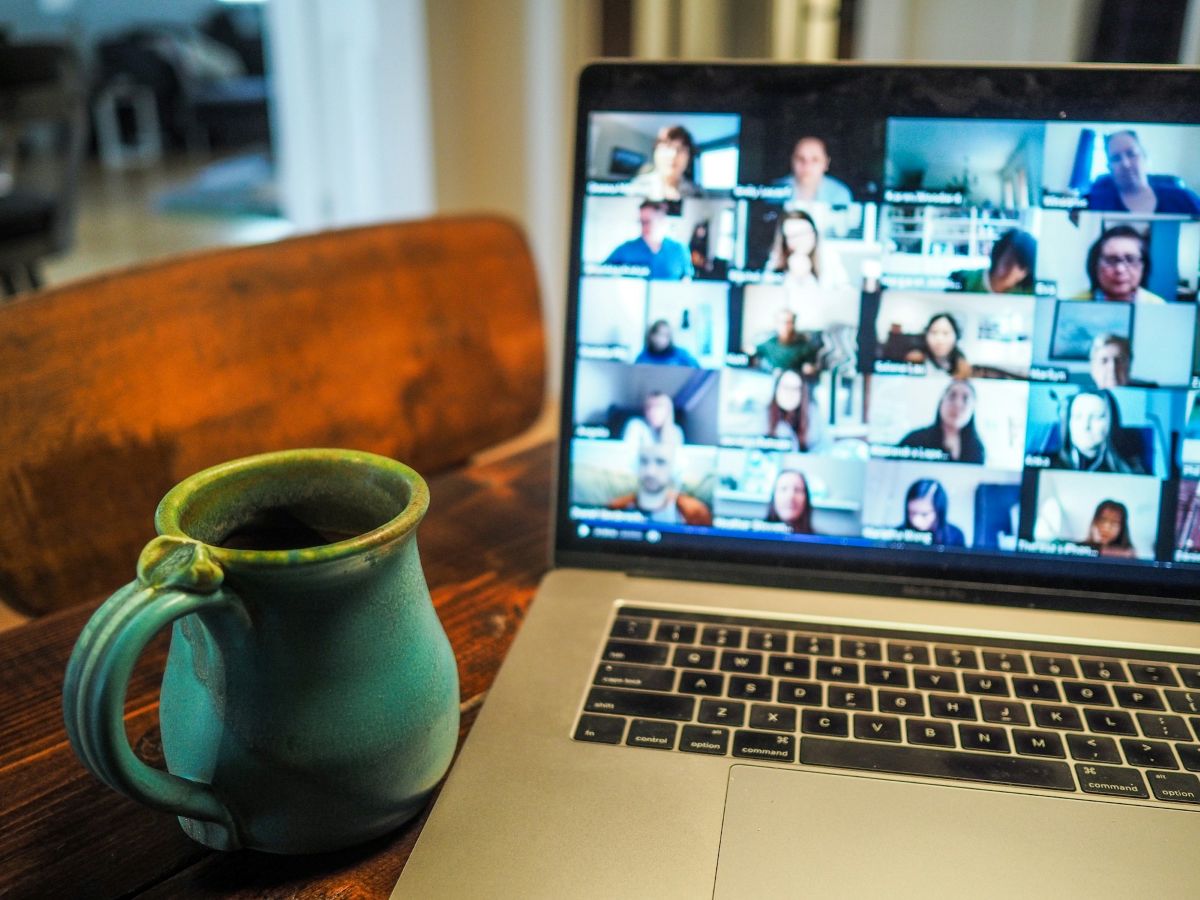
The platform uses automated recording methods to capture Zoom webinars through publicly accessible links. Beyond addiction recovery, targeted sessions include:
- Anxiety support groups blending biofeedback techniques
- Chronic illness caregiver meetings for conditions like Graves’ disease
- Naturist community gatherings
Each category shares a common thread—participants joined expecting privacy despite public registration links.
Online recovery meetings surged during COVID-19 when in-person gatherings stopped, creating essential lifelines for vulnerable populations. This digital shift inadvertently created new privacy vulnerabilities that platforms like WebinarTV now exploit.
Platform Accountability Remains Limited
Third-party recording tools operate outside Zoom’s direct control mechanisms.
The platform’s operators justify their practices by arguing webinars function like public broadcasts, similar to Facebook Live streams. This perspective ignores reasonable privacy expectations in healthcare and support contexts. Organizations emphasize their meetings were never intended for recording, regardless of registration accessibility.
Zoom acknowledges that third-party recording happens but confirms no video service can completely prevent external screen captures or browser-based recording tools. The technical reality creates a gap between user expectations and actual productivity protections.
Your webinar digital privacy assumptions need updating. This incident reveals how sensitive online gatherings can become permanent public records, forcing users to reconsider what “private” actually means in digital spaces where public links don’t necessarily signal public content.