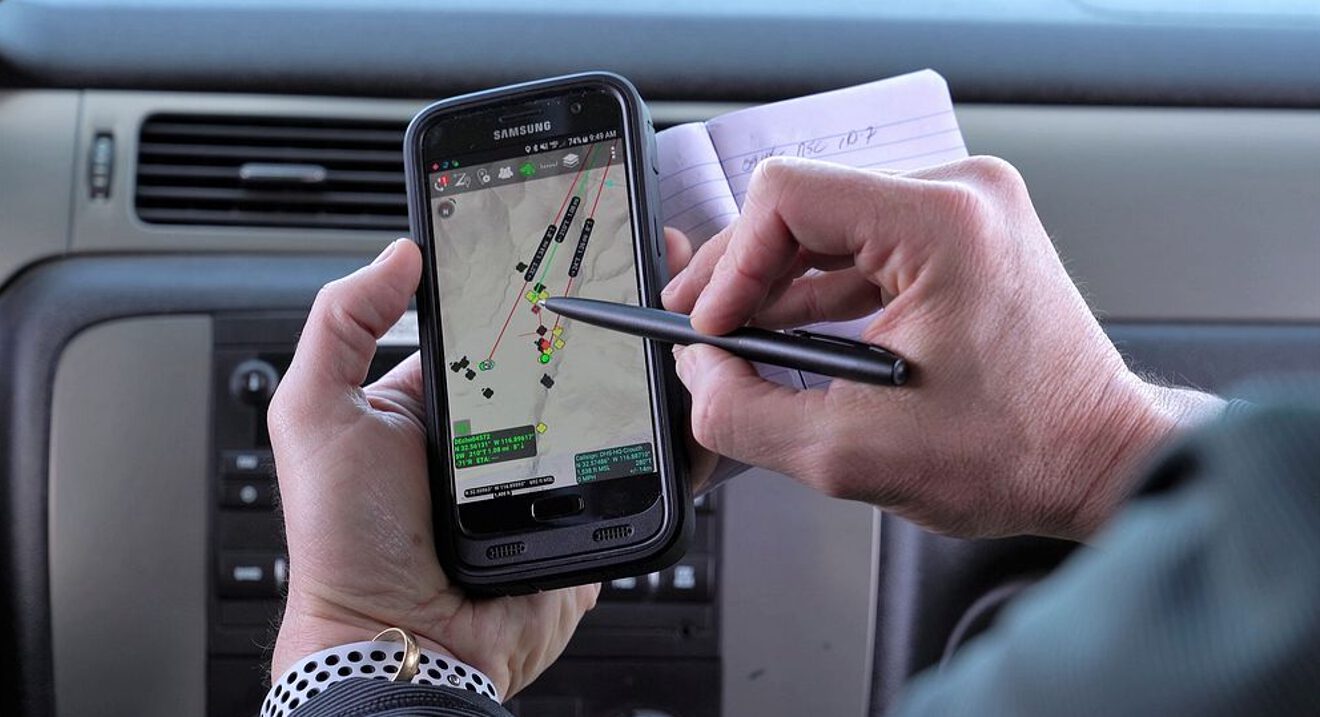
The government’s new Pandemic Preparedness Strategy commits £1 billion toward capabilities that would make your daily movements part of a national tracking network. By 2030, the UK Health Security Agency plans to deploy AI-powered contact tracing using “live location data” from big tech companies—think Google Maps and Apple Location Services, but feeding directly into government alerts.
The strategy document mentions plans to “explore options to work with ‘big tech’” without naming specific companies or explaining how your data gets shared. Details remain unclear about post-pandemic data retention, which is precisely what privacy advocates feared after COVID restrictions normalized surveillance measures.
Britain Already Tracked Millions Without Telling Them
The UK has recent precedent for covert population surveillance during health emergencies.
This isn’t theoretical. In 2021, UK researchers covertly tracked roughly one in ten Britons using anonymized cell tower data from a private firm. The government deemed this GDPR-compliant because the data was aggregated, but critics argued that cell tower information can easily be de-anonymized through cross-referencing.
The new strategy builds on lessons from England’s failed NHS Test and Trace system. Remember the original NHS app that never launched? Apple and Google blocked it because the government wanted centralized data storage—essentially creating a national location database.
The eventual Bluetooth-based app avoided this by keeping data on individual phones, but contact tracing still struggled with public trust.
Privacy Groups Sound the Alarm
Civil liberties advocates warn of permanent surveillance infrastructure disguised as health policy.
Big Brother Watch called the tracking plans “deeply chilling and could be extremely damaging to public trust,” warning about “turning Britain into a Big Brother state.” The government counters that aggregate mobility data protects individual privacy while enabling rapid pandemic response.
But here’s the catch: the strategy provides no specifics about consent mechanisms, data retention periods, or safeguards against mission creep. Your phone’s location history could become permanently woven into government surveillance infrastructure, with pandemic preparedness as the justification.
The 2030 timeline gives privacy-conscious users six years to consider alternatives—de-Googled phones, location spoofing apps, or simply accepting that your morning coffee run might feed into the next national emergency response. In a world where TikTok bans make headlines, mass government tracking barely registers as controversial anymore.
Your digital privacy settings just became a matter of national security policy.