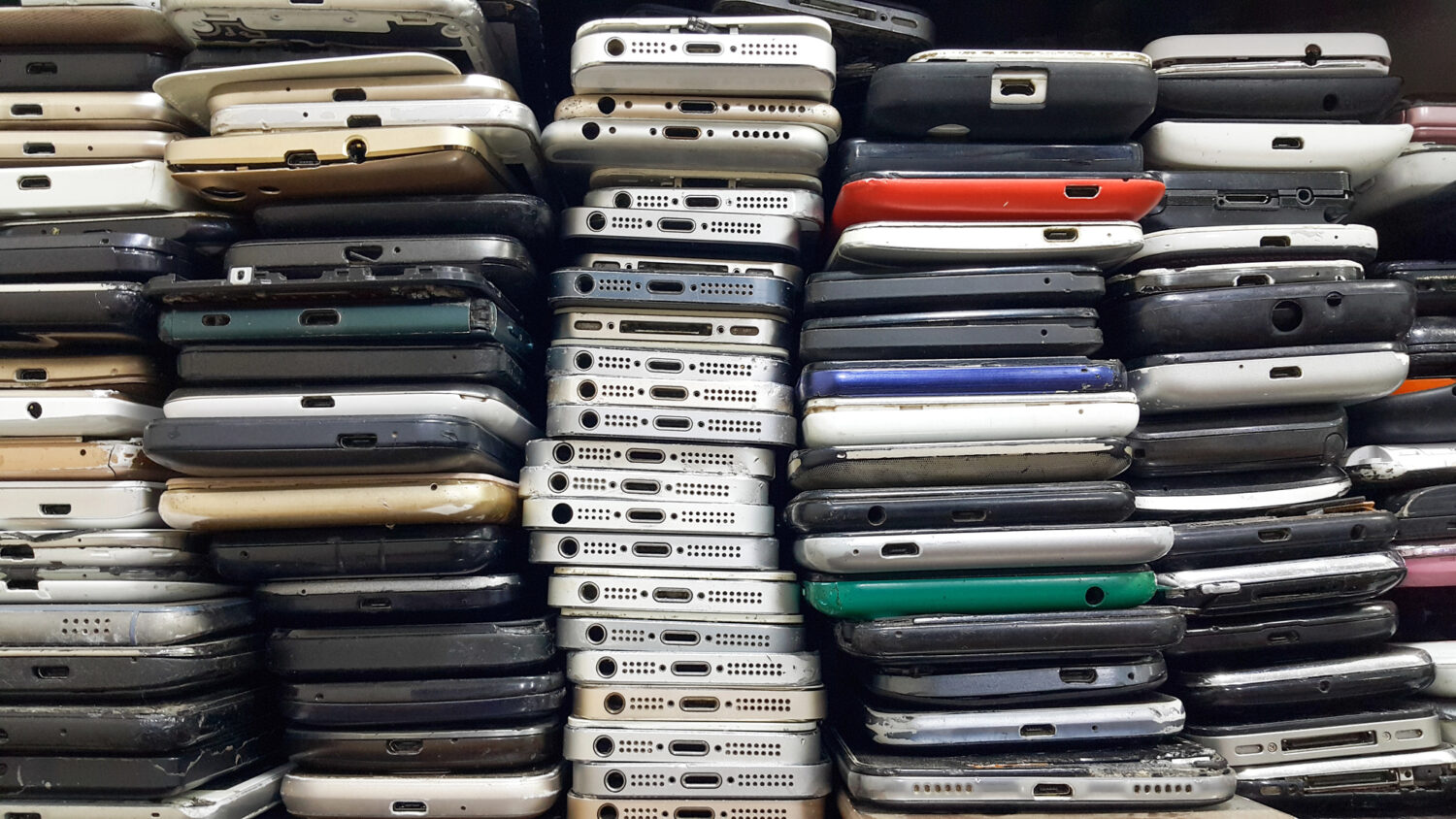
Smartphone makers are incorporating reballed memory components into new budget-tier handsets, reforming the solder connections on used chips and mounting them onto new motherboards. According to TrendForce, this practice now appears in roughly 3–4% of smartphones worldwide, largely concentrated in budget devices.
TrendForce forecasts that figure will reach 7–9% by 2027, roughly doubling from the current range.
Rising DRAM Costs Are Forcing the Issue
Persistently high mobile DRAM prices are pushing manufacturers toward lower-cost component alternatives.
Mobile DRAM contract prices have remained elevated, and TrendForce expects further increases in the first quarter of 2027. Budget-phone buyers are highly price-sensitive, which limits how much manufacturers can pass higher component costs through to retail.
Reusing memory chips eases bill-of-materials pressure and helps brands keep retail prices competitive without dropping headline specifications such as 4GB of RAM, according to TrendForce’s analysis.
What Reballing Actually Involves
The process is technically demanding and requires specialized equipment at every step.
Heat is the starting point: a chip is removed from a used board, residual solder is cleaned from its contacts, and fresh solder balls are applied using a stencil and specialized equipment. The chip is then aligned with a new circuit board and reflowed into place.
Modern memory uses BGA packaging, where many small solder joints sit hidden beneath the chip, making the process unforgiving. A weak or misaligned connection can cause boot failures or intermittent faults. Thorough testing for electrical operation, memory compatibility, and stability is standard practice in professional reballing work, though the TrendForce release does not document the specific procedures manufacturers apply.
Reliability Is a Real Question, But Not a Settled One
A chip removed and reattached correctly is not automatically defective, but its prior history introduces real uncertainty.
A recovered chip may have accumulated heat exposure, electrical stress, or wear that a short bench test cannot reveal. That history is the central quality-control challenge, not the reballing process itself.
No comparative failure-rate data between phones using reballed memory and phones using new chips was identified in the sources reviewed. Any firm reliability judgment would require that data.
Which Phones Are Actually Affected
The practice is currently concentrated in a narrow segment of the global smartphone market.
The dominant component is 4GB LPDDR4X memory, used primarily in 4G smartphones priced below CNY 1,299, or approximately $200, according to TrendForce. No specific brands or models have been identified in the reviewed research.
That gap is a practical limitation: consumers have no current way to cross-reference their device against a known list.
Don’t Expect a Price Drop
Reballing is primarily a margin-protection tool, not a path to lower sticker prices.
According to TrendForce, the practice is designed to absorb higher component costs so manufacturers can avoid raising lower retail prices further. Buyers in this segment are more likely to avoid a larger price increase than to see any reduction.
If DRAM prices remain elevated, TrendForce suggests reballed memory and other lower-specification component strategies could become relevant beyond the entry-level tier. For now, the reviewed evidence places adoption primarily in sub-$200, 4G devices. Whether the practice moves into midrange phones depends largely on how long memory prices stay at current levels.