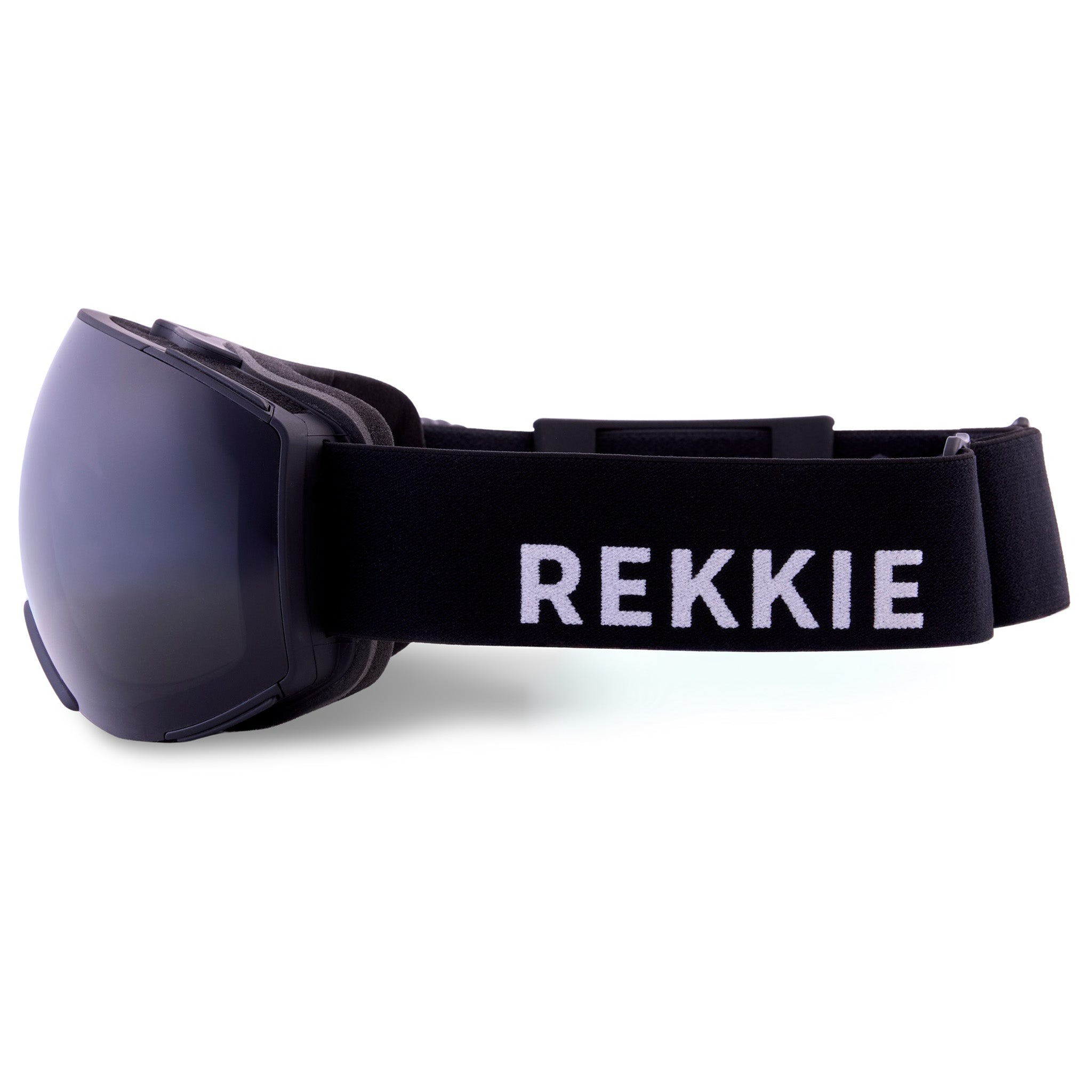
Losing your ski group during a powder day at Whistler feels like watching your AirPods disappear into a storm drain—frustrating and entirely preventable. The Rekkie Smart Snow Goggles solve this problem with heads-up display technology that actually works, delivering real-time friend tracking and slope data for $399. While tech companies have spent years promising AR will revolutionize everything, this Ohio-based startup proves the technology works best when it fixes specific, annoying problems.
Real-World AR That Actually Functions
The HUD displays practical data without blocking your vision or requiring phone fumbling.
Your speed, elevation, compass heading, and friend locations appear in a transparent display above your normal sight line—no squinting at frozen phone screens required. The system uses a 915MHz radio providing 2,000-foot range between goggle wearers, meaning you can track your crew even when cell towers vanish in backcountry terrain.
Battery life delivers 6-8 hours of real-world use via a USB-C rechargeable pack that clips to your goggle strap. Controls stay glove-friendly with a single button and intuitive head movements: glance up for stats, down for dashboard, left for notifications.
The Trade-offs You’ll Actually Notice
Bulk and brightness issues reveal themselves after extended use.
The battery pack adds noticeable weight and creates a bulky protrusion that shows prominently on lighter-colored helmets. Bright sunny days can wash out the display, though Rekkie’s 2025 version promises significantly improved visibility with a brighter HUD.
The water-resistant design handles typical ski conditions, but the exposed charging port becomes vulnerable during heavy snowfall. Lens swapping works fine but lacks the magnetic convenience you’d expect at this price point.
Market Validation for Practical AR
Success where Oakley’s $600 Airwave failed suggests AR’s future lies in solving real problems.
Unlike failed predecessors that tried to cram unnecessary features into eyewear, Rekkie focuses on solving actual slope problems—finding friends, tracking performance, controlling music without removing gloves. The 2025 model adds 100% better goggle-to-goggle range and improved display technology, positioning these goggles as proof that AR succeeds when it enhances existing activities rather than trying to create entirely new ones.
Your $399 investment buys technology that works today, not promises about tomorrow’s possibilities.