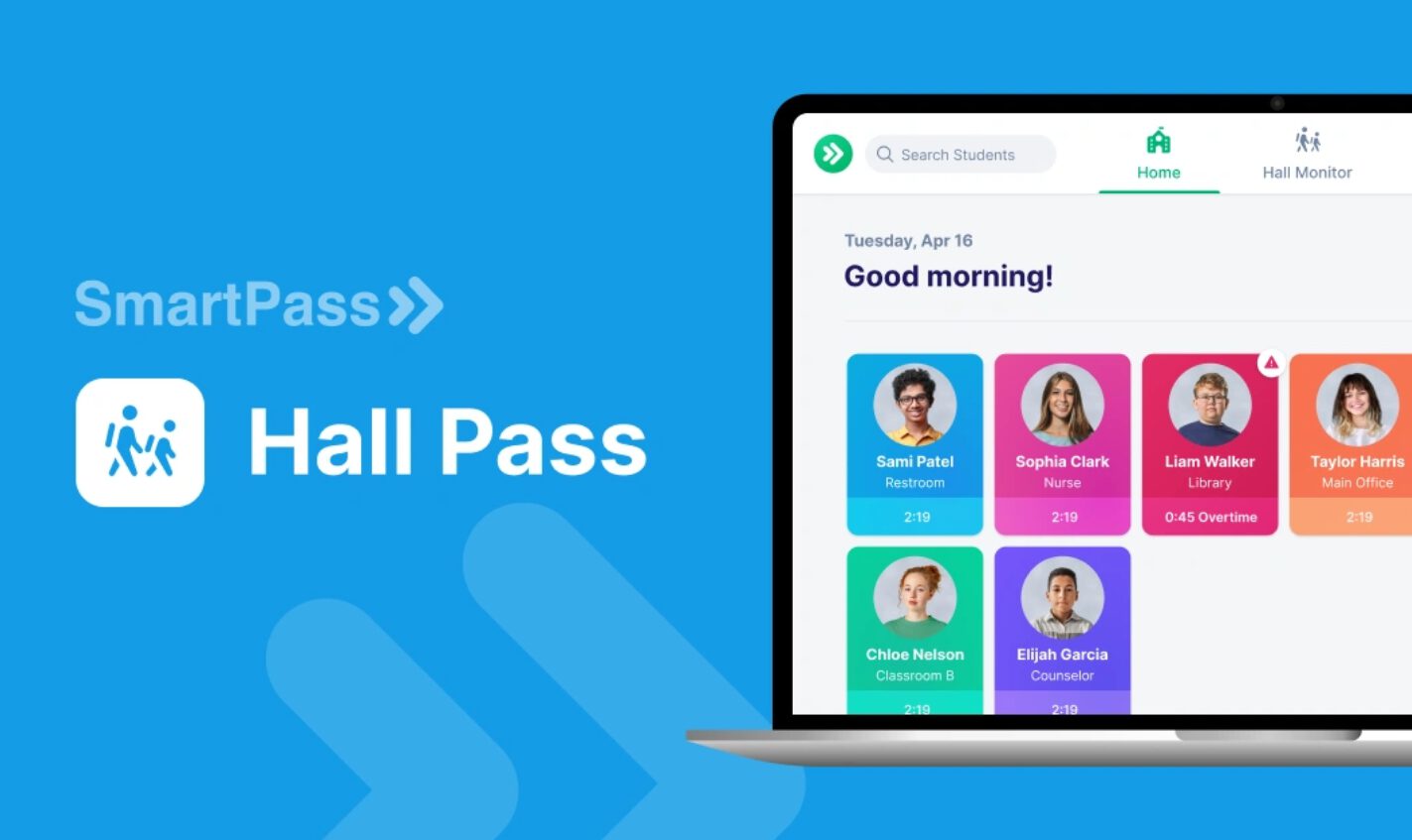
Your kid’s bathroom break just became data. SmartPass software now monitors student movement in 167 NYC public schools, replacing paper passes with digital tracking that records location, duration, and frequency of every trip outside class.
The three-click system lets students request bathroom visits through school iPads while teachers monitor a dashboard showing who’s where. Need the nurse? The software logs it. Meeting friends in hallways? SmartPass blocks “encounters” between specific students. Bathroom overcrowded? Join the virtual queue.
Time-Saving Tool or Privacy Nightmare?
Derek Stampone, Assistant Principal at Manhattan’s High School of Fashion Industries, swears by the efficiency gains. His 1,600-student school saves “hundreds of teacher hours yearly” by eliminating handwritten passes and clipboard tracking. The system’s capacity limits prevent bathroom overcrowding during class changes—a genuine safety concern in urban schools where 30 students might converge on facilities simultaneously.
SmartPass analytics reveal usage patterns teachers never saw before. Frequent bathroom users get flagged for potential intervention, while emergency mode provides real-time student locations during lockdowns. The software integrates with existing school systems without requiring new hardware—essentially turning standard Chromebooks into digital monitoring stations.
Students Game the System While Privacy Advocates Fume
Student activist Shokhjakhon Samiev discovered obvious workarounds:
- Signing out under classmates’ names
- Claiming bathroom emergencies
“There’s no parent opt-out,” he notes, questioning why $488,000 in district contracts went to tracking software instead of hiring teachers or fixing facilities.
The NYCLU’s Johanna Miller calls the system “creepy,” warning that detailed behavioral data creates “exploitable records” of student movement. SmartPass claims NYC privacy compliance, but the company didn’t respond to specific concerns about data security or long-term storage.
Welcome to the Monitored Classroom
This mirrors broader shifts toward educational surveillance—from smartphone bans to AI-powered behavior analysis. Schools frame digital monitoring as safety and efficiency, while critics see normalization of constant tracking. SmartPass operates in 3,000+ U.S. schools, suggesting bathroom surveillance isn’t uniquely dystopian but increasingly standard.
Your school district’s next tech purchase might involve similar trade-offs: genuine operational benefits wrapped in data collection that would make Facebook jealous. The question isn’t whether these systems work—they clearly do. It’s whether tracking every teenage bathroom trip crosses lines parents didn’t know existed.