
Being smart with money doesn’t mean living like a monk or surviving on ramen noodles. Research shows that small, consistent habits can slash your expenses by thousands annually without sacrificing the things you actually enjoy. These nine routines blend time-tested strategies with modern convenience, proving that frugal living can feel more like smart optimization than painful restriction. Think of it as Marie Kondo for your wallet—keeping what sparks joy while ditching the financial clutter.
9. Cash-Only Fun Money

Set a weekly cash allowance for discretionary spending and watch your impulse purchases vanish.
Psychology works in your favor here. Research indicates that spending physical cash reduces discretionary purchases by approximately 15% compared to digital payments because cash outflows feel more tangible. Designate a specific amount each week for coffee runs, movie tickets, or spontaneous snacks. Once it’s gone, you’re done until next week. This approach transforms mindless spending into intentional treats while preserving your favorite indulgences.
8. Annual Silent Negotiation Week

Schedule one week each year to review and negotiate all your service bills.
Most providers offer unadvertised loyalty discounts if you ask politely. During your designated week, call internet, phone, insurance, and subscription services to inquire about current promotions or retention offers. The key is persistence without aggression—companies would rather keep you at a reduced rate than lose you entirely. This single week of calls can save hundreds annually with minimal effort.
7. Micro-Maintenance Habit

Spend five minutes daily on preventive maintenance to extend the life of your belongings.
This practice echoes the Japanese mottainai philosophy of respecting resources and avoiding waste. Quick daily checks—cleaning fridge coils, tightening loose screws, unclogging sink filters—prevent expensive repairs and replacements. Your appliances, furniture, and kitchen tools will thank you with years of additional service. It’s like giving your stuff a daily wellness check instead of waiting for the emergency room visit.
6. Seasonal No-Spend Challenge

Rotate monthly spending freezes by category instead of blanket restrictions.
Rather than attempting unrealistic total spending moratoriums, focus each season on specific categories: takeout in winter, grocery impulse buys in spring, beverage runs in summer, or subscription boxes in fall. This targeted approach prevents burnout while resetting problematic spending patterns. You’ll discover which expenses you actually miss and which were just expensive habits.
5. 7-Day Digital Subscription Audit

Conduct monthly reviews of streaming, app, and delivery subscriptions to eliminate waste.
Nearly 40% of users pay for digital services they rarely use. Set a monthly reminder to pause (not cancel) underutilized subscriptions. This rotation strategy maintains variety while reducing costs—you can always reactivate Netflix for that must-watch series or pause your meal kit service during busy months. Think of it as a subscription wardrobe where you only wear what fits your current lifestyle.
4. Reverse Meal Planning

Start with sale items and pantry staples, then build meals around what you have.
This Depression-era strategy turns grocery shopping into a creative challenge. Instead of planning meals first, browse sale circulars and seasonal produce, then craft your menu around bargains and existing ingredients. This approach reduces both food costs and waste while encouraging culinary creativity. Your grandparents knew this trick, and it works just as well with modern grocery apps and digital coupons.
3. Energy Peak Shuffle
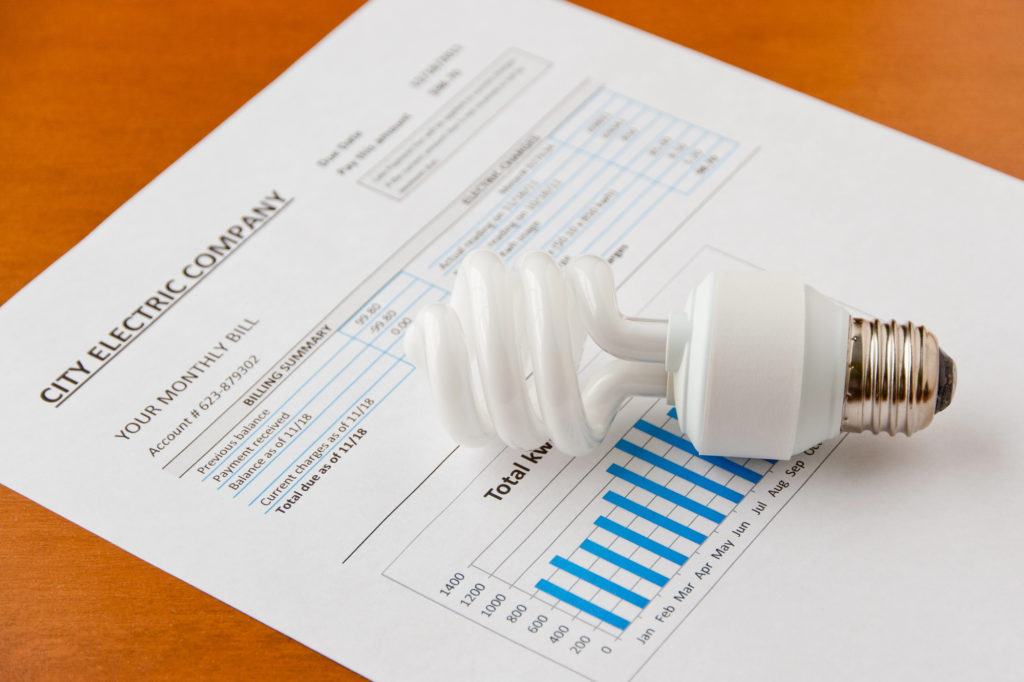
Run major appliances during off-peak hours to capitalize on time-of-use pricing.
Many utility providers now use tiered pricing structures that reward off-peak usage. Running dishwashers, washing machines, and dryers during evening or overnight hours can significantly reduce monthly bills. Set timers or use smart plugs to automate this process. It’s like getting the same service at happy hour prices, except the happy hour lasts all night.
2. Two-Week Clothing Rule

Wait 14 days before purchasing any non-essential clothing or accessories.
This cooling-off period curbs impulse buys while ensuring you actually want the item. Keep a list of potential purchases with dates—you’ll be surprised how many items lose their appeal after 14 days. This intentional buying approach, popular in minimalist communities, saves money while building a more curated wardrobe that you’ll actually wear.
1. DIY Third-Space Swaps

Replace expensive café and bar visits with free community gatherings and outdoor meetups.
Organizing coffee clubs at libraries, picnics in parks, or potluck dinners can save thousands annually versus habitual restaurant and bar visits. These alternatives maintain social connections while reducing costs, echoing traditional community gathering spaces like public houses and market squares. You get better conversations and stronger friendships at a fraction of the price.