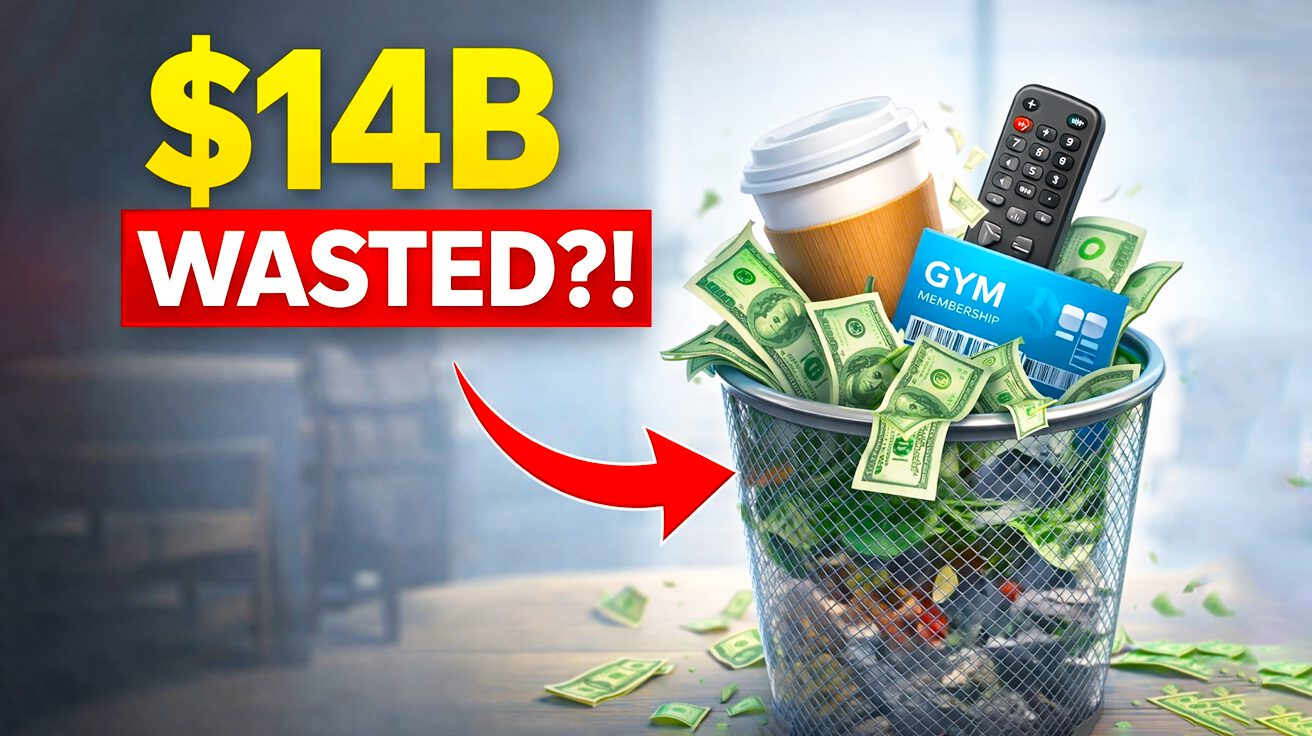
Over $14 billion goes down the drain annually on unused subscriptions and forgotten memberships, according to a study by West Monroe. You work hard for your money, so chucking it at stuff you don’t need feels like funding someone else’s yacht. This isn’t about being cheap; it’s about being smart. Think of it as financial foreplay: a little planning goes a long way toward satisfaction. Read on to uncover the spending traps—and how to sidestep them before your bank account stages a revolt.
10. Extended Warranties on Electronics

Most gadgets break right after the manufacturer’s warranty expires—or never at all.
Extended warranties are the retail world’s equivalent of insurance for your coffee maker. Sure, peace of mind sounds nice, but most electronics either fail within the first year (covered by manufacturer warranty) or run for decades without issues. Consumer Reports found that fewer than 15% of products break during the extended warranty period. Save that $50-200 and put it toward your next upgrade instead.
9. Premium Gas for Regular Cars

Your Honda Civic isn’t a Formula 1 race car, no matter how you floor it.
Unless your owner’s manual specifically requires premium fuel, you’re literally burning money. The Federal Trade Commission confirms that premium gas provides zero benefit for engines designed for regular fuel. That extra 30-50 cents per gallon adds up to $200+ annually for most drivers. Your car’s computer will adjust timing and performance regardless, so skip the fancy fuel and pocket the difference.
8. Brand Name Over-the-Counter Medications
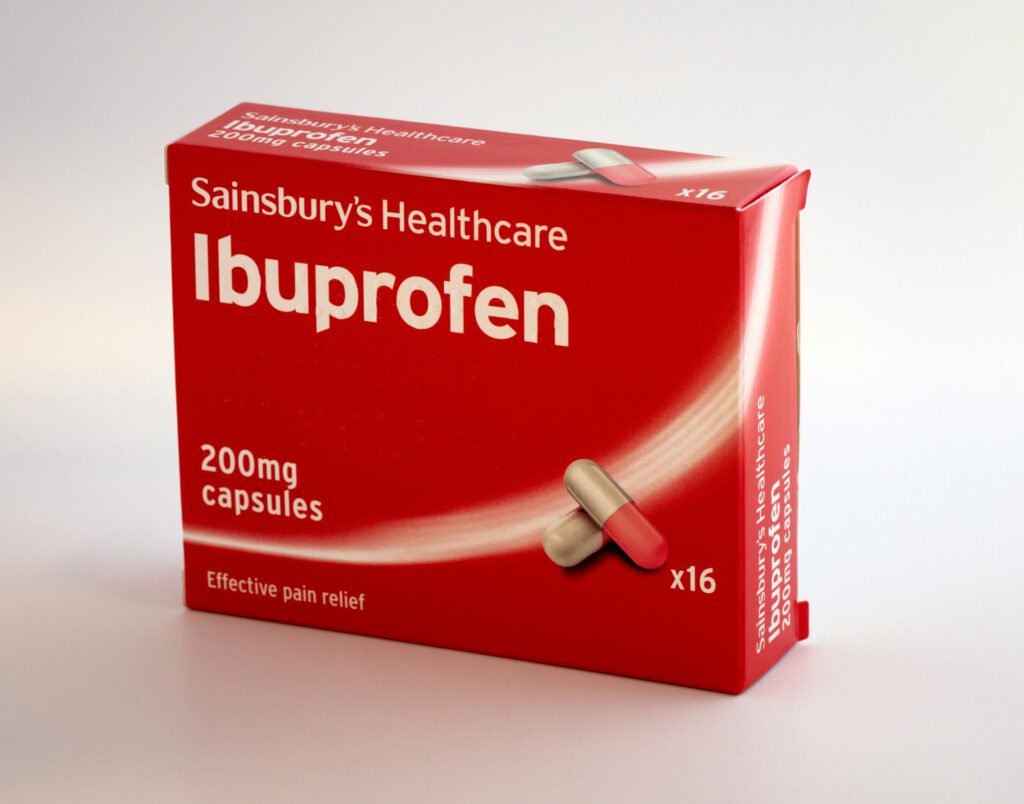
Generic ibuprofen works exactly like Advil—your headache can’t tell the difference.
The FDA requires generic drugs to contain identical active ingredients as name brands, yet people pay 80% more for familiar packaging. It’s like buying designer water when the generic version is chemically identical. A bottle of generic acetaminophen costs $3 versus $8 for Tylenol, delivering the exact same pain relief. Your liver doesn’t care about branding.
7. Expensive HDMI Cables
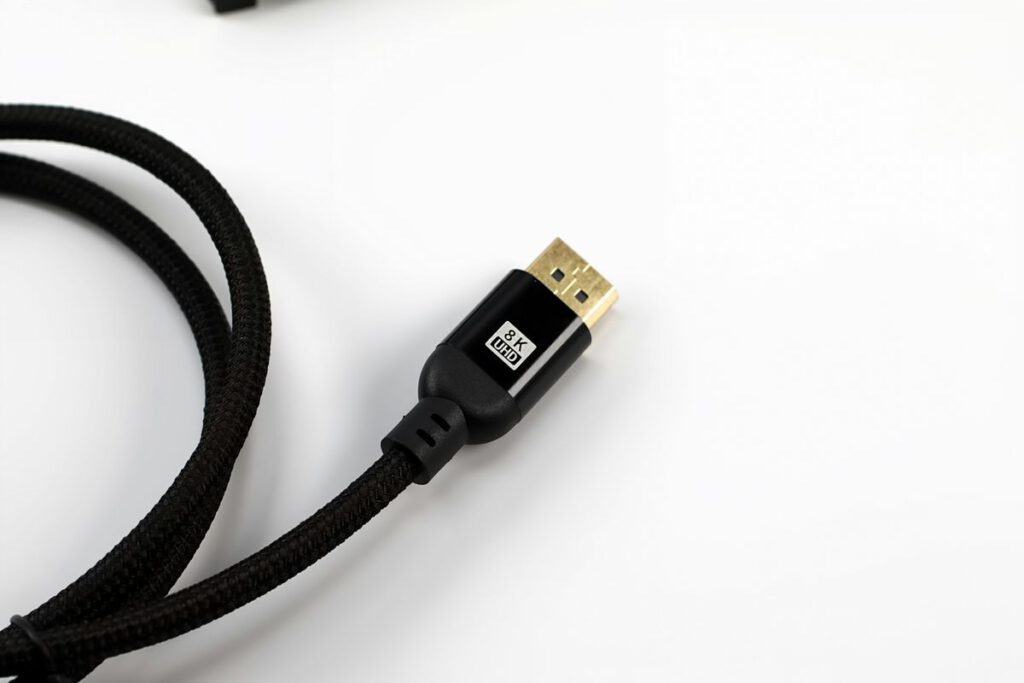
A $100 cable won’t make Netflix look better than a $5 version.
Digital signals either work or they don’t—there’s no “premium quality” with HDMI. Those gold-plated, monster cables at electronics stores are pure marketing magic. A basic HDMI cable from any reputable retailer delivers identical 4K performance at a fraction of the cost. Save yourself $90 and laugh at anyone who bought the “audiophile-grade” option.
6. Bottled Water in Most Areas

Tap water undergoes more testing than most bottled brands.
Americans spend $35 billion annually on bottled water that’s often just filtered tap water with fancy labels. The Environmental Protection Agency requires more frequent testing of municipal water than the FDA mandates for bottled water. A reusable bottle and simple filter system costs under $30 and eliminates thousands in yearly bottled water expenses while reducing plastic waste.
5. Gym Memberships You Don’t Use

That monthly fee won’t make you fit—actually showing up will.
Planet Fitness banks on members paying but not attending. The average gym-goer visits twice per week, making each workout cost $15-25. If you’re not going at least three times weekly, you’re subsidizing everyone else’s fitness journey. Try bodyweight exercises at home or invest in basic equipment that doesn’t charge monthly rent.
4. Latest Smartphone Every Year

Your current phone probably does everything the new one does, just slightly slower.
Phone manufacturers rely on FOMO to drive annual upgrades, but meaningful improvements happen every 3-4 years now. Trading in a perfectly functional device for marginal camera improvements costs $800-1200 annually. Most apps and features work identically across recent generations. Wait until your phone actually stops meeting your needs, not when Apple releases another “revolutionary” update.
3. Lottery Tickets and Scratchers
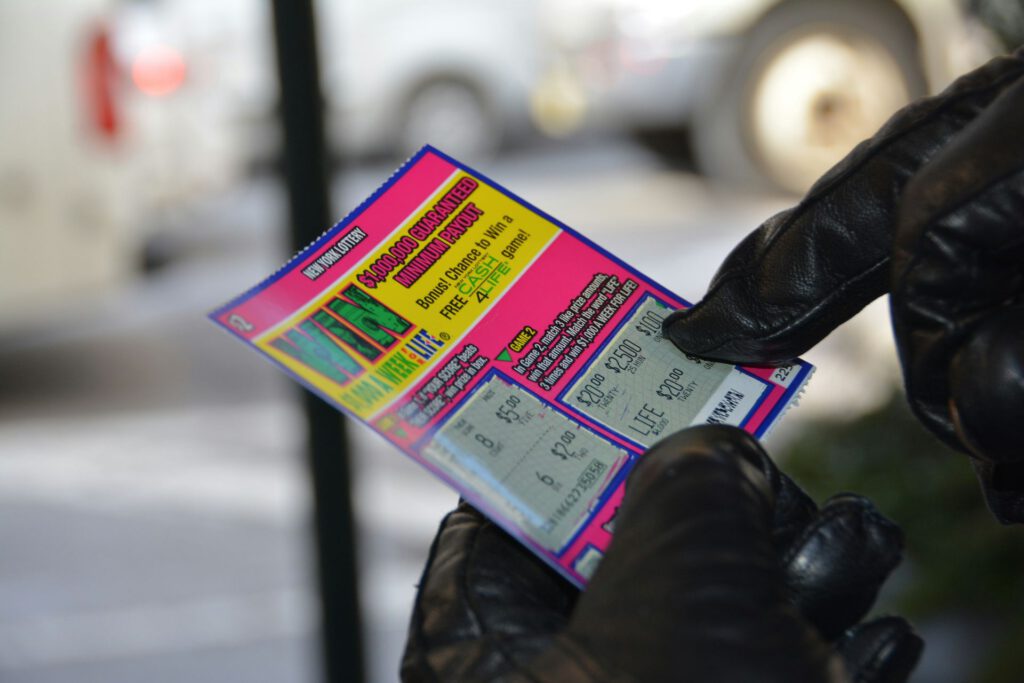
The house always wins—and you’re not the house.
Lottery tickets offer worse odds than getting struck by lightning while being attacked by a shark during a solar eclipse. State lotteries are essentially voluntary taxes on people who struggle with math. That daily $5 scratch-off habit costs $1,825 yearly with virtually zero return potential. Put that money in a high-yield savings account instead and watch it actually grow.
2. Cable TV Packages
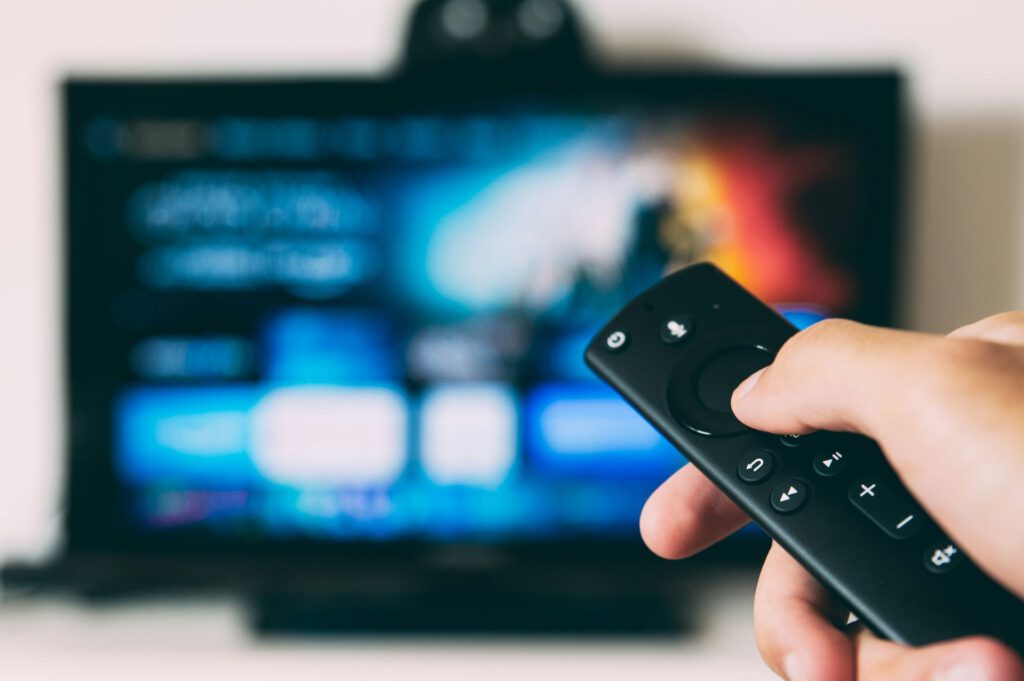
Paying $150 monthly to watch three channels is peak absurdity.
Streaming services offer most content for under $50 monthly total, while cable packages push $150+ with fees, equipment rentals, and channels nobody watches. You’re paying premium prices for the privilege of watching advertisements. Cut the cord, keep internet, and cherry-pick streaming services based on what you actually watch. Your wallet will thank you.
1. Coffee Shop Visits Daily

That $6 latte habit costs more than most car payments.
Daily coffee shop visits average $2,000 annually—enough for a decent vacation or emergency fund boost. A quality coffee maker and beans produce superior coffee at home for under $300 yearly. Save the café visits for special occasions or socializing, not daily caffeine delivery. Your morning routine doesn’t need to bankrupt your afternoon plans.
Smart spending isn’t about depriving yourself—it’s about recognizing when convenience costs more than value delivered. These budget drains share one trait: they promise more than they deliver while charging premium prices for basic needs. Cut these expenses and redirect that money toward experiences, investments, or goals that actually matter to your future self.