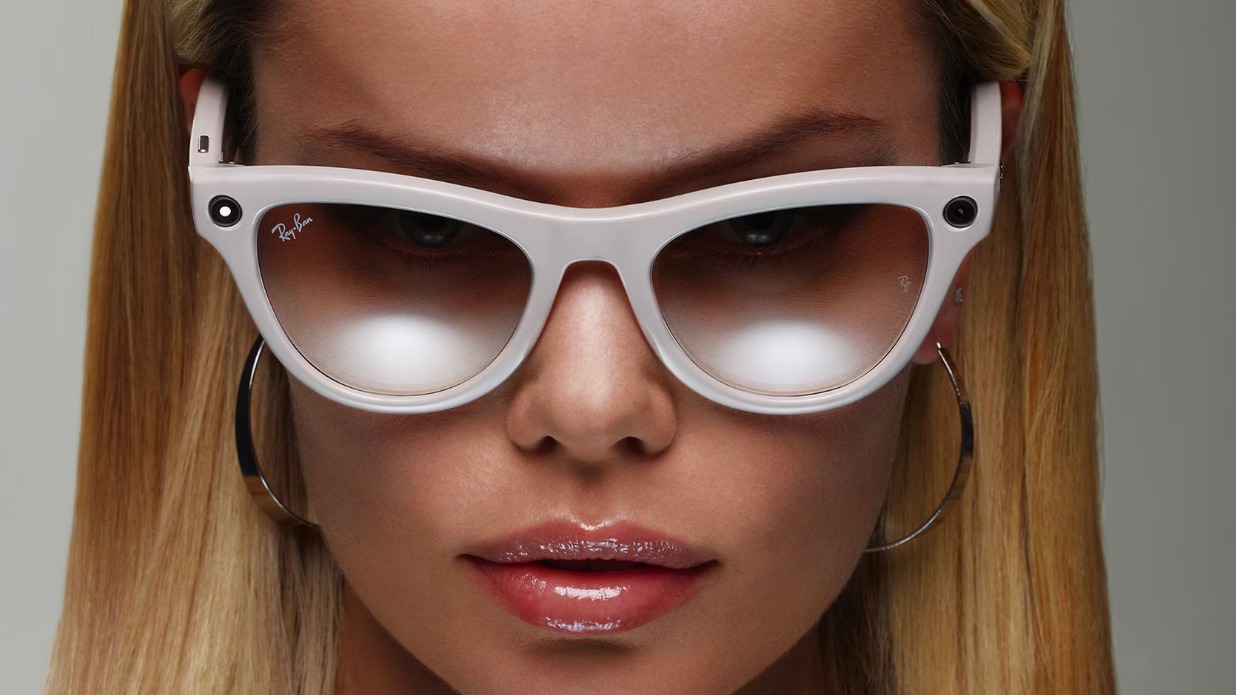
Facial recognition without your explicit consent is dangerous territory. Meta knows this—which is precisely why they’re planning to launch “Name Tag” facial recognition for Ray-Ban smart glasses in 2026, deliberately timed when privacy advocates are overwhelmed by political chaos.
The Strategic Window Opens
An internal Meta document from May 2025, proposed launching facial recognition during what the company called a “dynamic political environment.” Translation: while privacy advocates are burning resources fighting broader political battles—like navigating the Trump administration’s regulatory rollbacks—Meta can slip controversial features past exhausted watchdogs.
The “Name Tag” feature will let Ray-Ban Meta wearers identify people connected to their Meta accounts or public Instagram profiles through the AI assistant. Meta sold over 7 million pairs of these glasses in 2025 through partner EssilorLuxottica, creating a massive surveillance network disguised as fashion accessories.
From Shutdown to Stealth Revival
Meta shuttered Facebook’s photo-tagging facial recognition in 2021 after sustained privacy criticism. Now they’re reviving it with artificial limitations—only identifying your Meta connections, not random strangers.
But Harvard students already demonstrated how easily these boundaries collapse, using Ray-Ban Meta glasses with PimEyes to dox people in real-time, revealing names and addresses. “This technology is ripe for abuse,” warns Nathan Freed Wessler of the ACLU. Meta’s LED recording indicator provides minimal protection when most people don’t know what it means.
The Bigger Picture
Meta spokesperson claims they’re “still thinking through options and will take a thoughtful approach,” but internal documents tell a different story. This calculated timing exposes how major tech companies weaponize chaos—launching controversial features when opposition is fractured and distracted.
Your face becomes searchable data the moment someone wearing these glasses looks at you. Meta’s betting you won’t notice until it’s already normal.