Sound weapons deployed at protests have people searching for protection, but understanding LRAD technology reveals the mechanics behind these controversial crowd control tools and practical protection strategies.
The Physics Behind Acoustic Weapons
LRAD devices concentrate sound waves into narrow beams capable of causing permanent hearing damage.
Long Range Acoustic Devices work like sonic spotlights, focusing sound energy into tight beams rather than broadcasting in all directions. These military-grade speakers can produce ear-splitting volumes up to 162 decibels—louder than a jet engine at takeoff, according to GENASYS product specifications and acoustic research.
The focused beam design means you can stand 20 feet away and hear normal conversation while someone directly in the beam experiences painful sound levels. Police departments acquired these devices after 9/11, originally marketed for ship-to-ship communication and wildlife deterrence according to GENASYS company history.
Why LRAD Technology Became Controversial
Protest deployments turned communication devices into crowd control weapons with lasting health consequences.
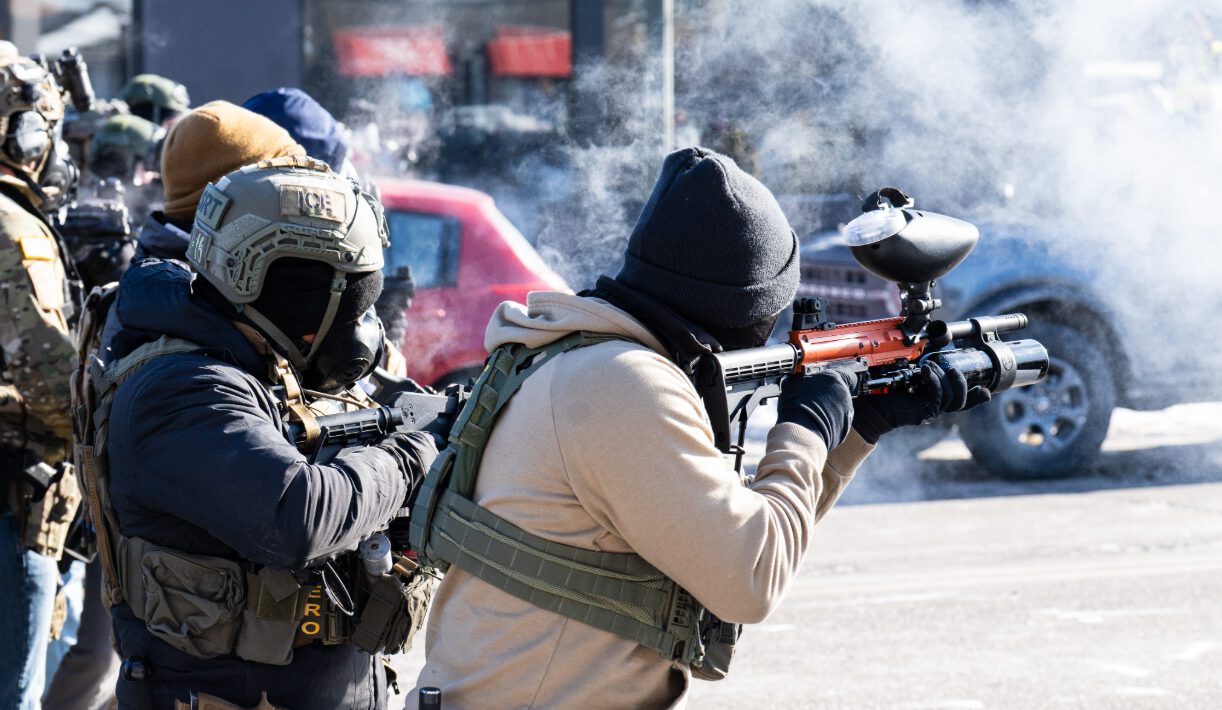
Recent protests brought LRAD use into public scrutiny when officers aimed devices directly at crowds instead of using voice commands. The problem isn’t the technology itself—it’s the deployment method that transforms communication tools into weapons.
Manufacturers designed these systems for long-distance communication, not as weapons. When pointed at people from close range, LRADs can cause permanent tinnitus, hearing loss, and inner ear damage, according to OSHA and CDC hearing loss research. Multiple lawsuits now target cities whose police forces used LRADs inappropriately, creating a legal reckoning around acoustic weapons.
Effective Protection Strategies That Actually Work
Distance and proper ear protection offer the best defense against acoustic weapon exposure.
Your best protection combines distance and high-quality hearing protection. Industrial-grade earplugs rated for 30+ decibel reduction provide more defense than standard foam plugs, according to EPA hearing protection standards. Noise-canceling headphones offer additional protection but aren’t designed for extreme volumes.
Moving perpendicular to the beam direction quickly reduces exposure since LRAD effectiveness drops dramatically outside the focused cone. If you hear that distinctive, piercing tone characteristic of LRAD activation, immediate distance becomes your priority—these devices can cause instant, permanent damage at close range.
The conversation around acoustic weapons continues evolving as communities demand accountability for their use. Understanding the technology helps you make informed decisions about protection and pushes the debate beyond fear toward practical solutions.