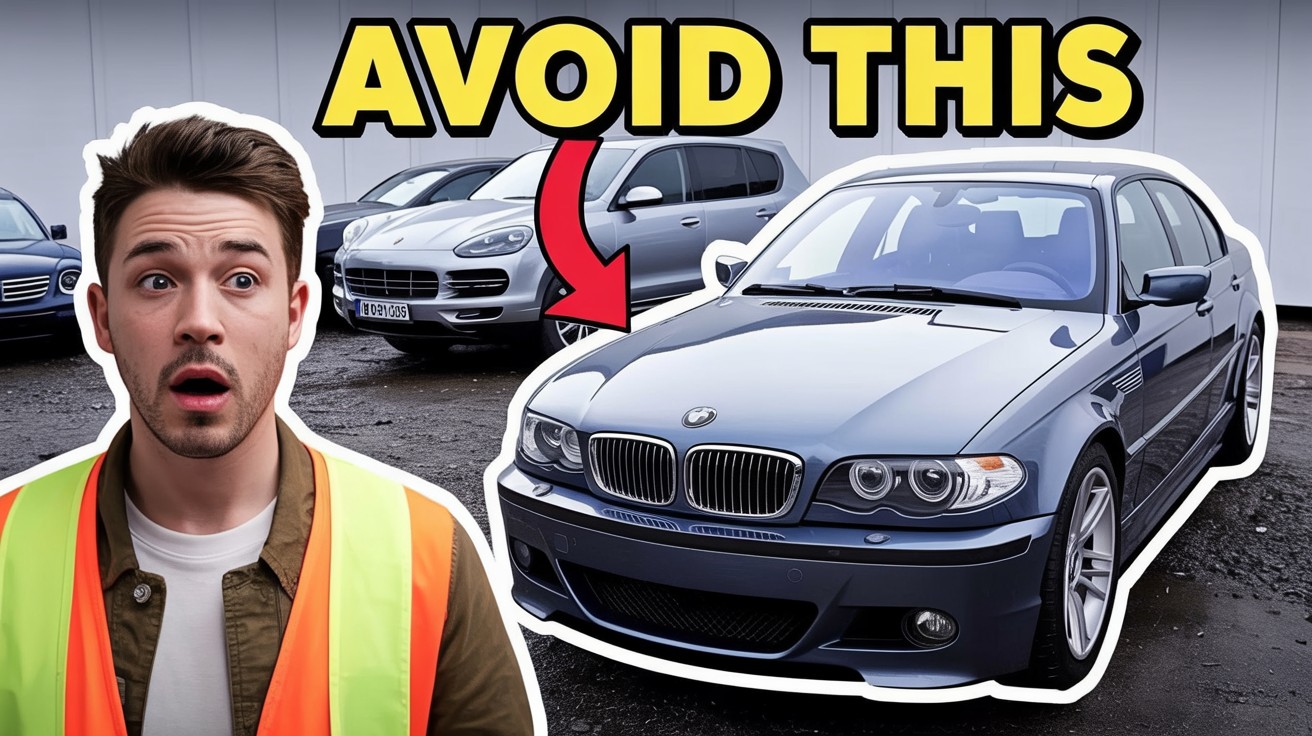
That “great deal” on Facebook Marketplace might come with a deadly secret. Over one million title-washed vehicles circulate on U.S. roads right now—cars with catastrophic damage histories scrubbed clean through interstate fraud schemes. These rolling time bombs look legitimate on paper while hiding structural failures that could kill your family in a crash.
The Cross-State Shell Game
Title washing operates like a bureaucratic money laundering scheme. Fraudsters buy flood-damaged cars from strict states—think post-Hurricane Katrina Louisiana wrecks—then ship them to lenient states like Alabama for fresh titles. The damage history vanishes faster than your Spotify Wrapped embarrassment.
“Title washing is when a scammer illegally removes or changes a vehicle’s history on its title so it no longer shows certain details that may dissuade a buyer,” according to Experian. These cleaned cars then get resold nationwide with spotless paperwork.
Hidden Danger, Real Consequences
That bargain sedan could be harboring flood damage that corrodes electrical systems—meaning your airbags might fail when you need them most. Frame damage from crashes reduces crash protection to paper-thin levels.
Beyond safety nightmares, title-washed cars lose up to 50% of their resale value once discovered. Insurance companies often deny claims entirely, leaving you financially devastated along with potentially physically injured.
Spotting the Red Flags
Trust your gut when prices seem too good—if a five-year-old car costs thousands below book value, ask why. Check for recent out-of-state titles on older vehicles, especially from disaster-prone regions. Look for:
- Fresh paint jobs
- Visible welds
- Interior water damage like musty smells
NMVTIS reports can reveal discrepancies between current titles and auction histories that Carfax might miss.
Protecting Your Purchase
- Run NICB’s free VINCheck before any purchase—it flags known salvage and theft records
- Meet sellers at the DMV to verify title legitimacy in person
- Get pre-purchase inspections from mechanics trained to spot flood or crash repairs
These steps feel excessive until you avoid becoming another title washing victim. The used car market runs on trust, but title washing proves that trust needs verification. Your family’s safety is worth more than any deal.