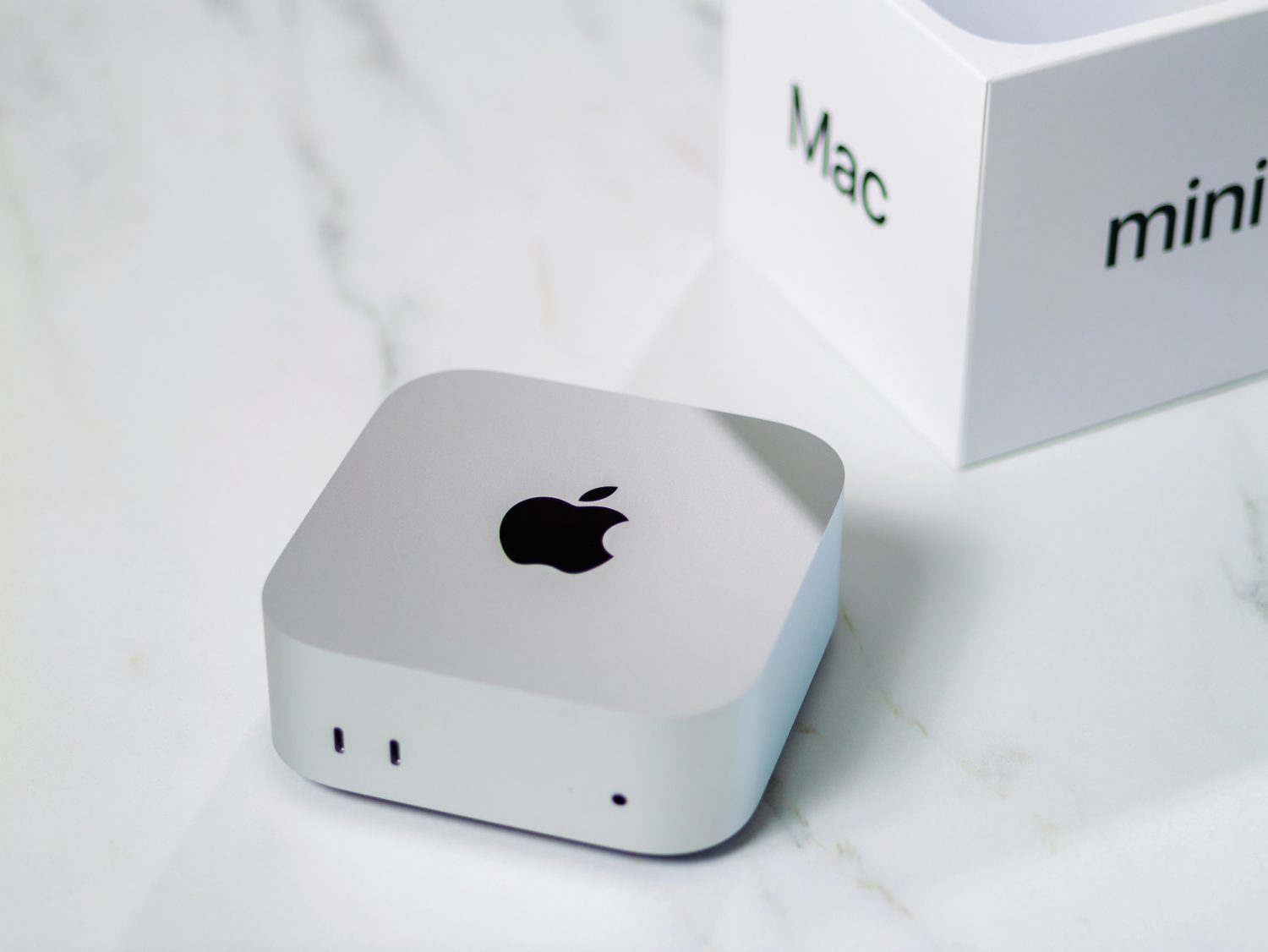
Tim Cook and Commerce Secretary Howard Lutnick stood inside a Houston factory this August, a freshly assembled Mac mini somewhere behind them, delivering the kind of moment that gets clipped for earnings calls. The optics were deliberate. The manufacturing, though, is real. Apple is moving some Mac mini production to Foxconn’s north Houston campus later this year — co-locating consumer desktops with AI chips already humming on the same floor. This is Apple’s new flagship “Made in USA” story, and the Mac mini’s unlikely second life as an AI hobbyist machine makes the choice smarter than it first appears.
One Campus, Two Hardware Lives
Houston’s Foxconn campus already ships Apple’s AI server infrastructure — now it’s adding Mac minis to the mix.
Foxconn is converting somewhere between 170,000 and 220,000 square feet of Houston warehouse into Mac mini production lines. Foxconn funds the buildout. Apple commits to buying what comes out. That’s the whole model — Apple doesn’t build factories; it buys their output and uses purchasing power to dictate where capacity lands. The AI servers already built here power Apple’s Private Cloud Compute infrastructure and began shipping ahead of schedule in 2025, according to Apple’s newsroom.
A few facts worth knowing:
- Mac mini assembly starts later in 2026; most units still ship from Asia, per Reuters and MacRumors
- Foxconn invested roughly $71.9 million in AI server expansion here; Apple says “hundreds of millions” hit the site within nine months
- A free, 20,000-square-foot Advanced Manufacturing Center on-site trains U.S. workers and small businesses in advanced production techniques
- Apple has committed roughly $30 billion to U.S.-made Broadcom chips, holds anchor-customer status at TSMC’s Arizona fab, and has a preliminary chip deal with Intel
- Houston effectively replaces the discontinued Texas Mac Pro line as Apple’s flagship U.S. Mac assembly example
Cook told workers Apple is “proud to put our money where our mouth is,” according to CNBC.
Houston is real. It is not, however, a reshoring revolution. Apple’s overall capex sits well below Amazon, Microsoft, or Google’s quarterly AI infrastructure spend. Most Mac minis will still arrive from Asia. But demand for the compact desktop has genuinely surged — running local LLMs at home is the 2026 equivalent of torrenting movies in 2012, except now it’s respectable — giving Apple an actual reason, beyond politics, to build U.S. capacity for this specific product.
One detail shadowed the factory visit: the Houston event reportedly marked one of Tim Cook’s last public appearances as CEO, with John Ternus, Apple’s hardware chief, expected to succeed him. The whole thing carried a distinctly Succession-style energy — a torch-passing staged inside a factory rather than a boardroom, with Commerce Secretary Lutnick telling workers that advanced manufacturing is “where the puck is going,” per CNBC, while the heir apparent waited in the wings.
For buyers evaluating the Mac mini as an AI workstation, Houston production likely means better U.S. supply reliability for certain configurations. And for anyone tracking Apple’s next chapter under Ternus, this campus is as clear a signal as any about where the company intends to plant its flag — politically, technically, and otherwise.