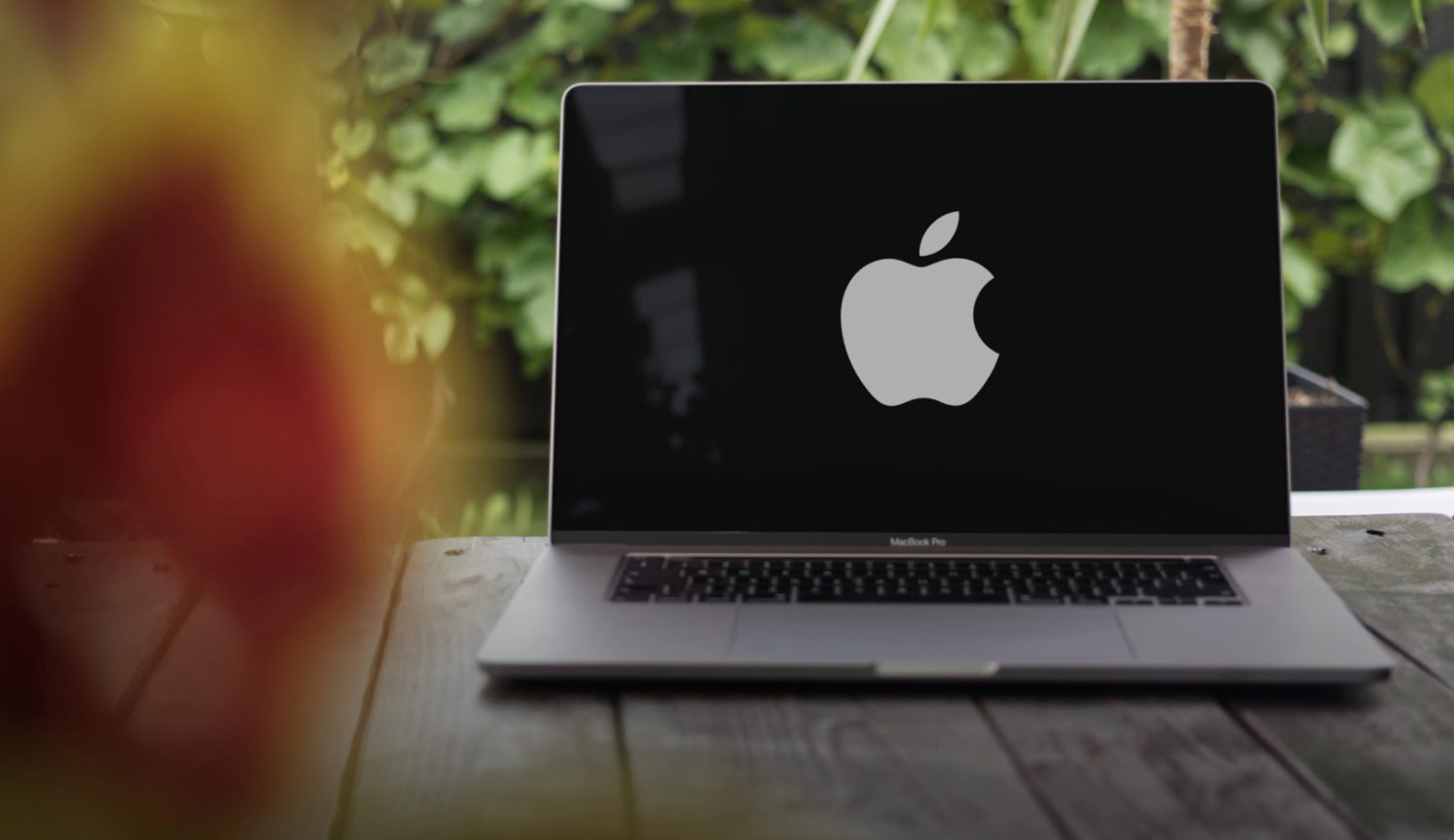
Your current MacBook Pro is not broken. Its Liquid Retina XDR display already hits 1,600 nits peak HDR brightness and a 1,000,000:1 contrast ratio, per Apple’s own specs page.
Yet reports now suggest Apple is preparing a redesign significant enough to make even satisfied owners reconsider. According to MacRumors, sourcing Bloomberg’s Mark Gurman and analyst Ming-Chi Kuo, redesigned 14-inch and 16-inch MacBook Pro models are reportedly in testing with an OLED display, touchscreen support, and a hole-punch camera replacing the existing notch.
macOS 27.1 is reportedly in testing ahead of a possible late October release. A late 2026 launch window appears within reach, though early 2027 remains plausible.
A Display Upgrade Built on What’s Already Strong
OLED would refine the MacBook Pro’s screen rather than rescue it.
OLED pixels generate their own light, which means individual pixels switch off completely in dark areas rather than relying on a backlit panel to approximate black. The practical result is stronger contrast and deeper blacks, particularly visible in dark interfaces, HDR video, and photography editing.
Because the current MacBook Pro display is already competitive by any professional standard, the shift to OLED is a refinement of perceived image quality, not a correction of a deficiency.
Reports describe the panel as potentially using tandem OLED technology, similar to the 2024 iPad Pro. That design stacks two OLED layers to improve brightness and longevity. It remains a possibility, not a confirmed specification.
OLED can also draw less power when rendering dark content, since dark pixels require minimal energy output. Whether that translates to meaningful battery-life gains depends on brightness settings, content, and the chip inside. Apple has confirmed none of those variables.
Touch Input on a Mac, Finally
Apple’s reported approach keeps the keyboard and trackpad in charge.
MacRumors characterizes Apple’s reported design philosophy as “touch-friendly, not touch-first.” macOS would remain optimized for keyboard, trackpad, and pointer, with touch functioning as a secondary input layer.
Reported macOS 27 changes are expected to ease movement between touch and pointer input. Apple appears to be adapting the interface without converting macOS into an iPad-style operating system.
Potential use cases include scrolling long documents, scrubbing creative timelines, annotating files, and interacting with large on-screen controls. These are plausible scenarios rather than verified features, and their value will only become clear through hands-on testing with retail hardware.
The ergonomic question remains real and unanswered. Repeatedly lifting your hands from the keyboard to reach the screen is a friction point that no amount of rumor reporting can resolve in advance.
The Notch Gets a Smaller Replacement
Reports point to a hole-punch camera and a Dynamic Island-style interface for macOS.
A 2025 report cited by MacRumors described the redesigned MacBook Pro as featuring a hole-punch camera cutout in place of the current notch, paired with a Dynamic Island-style software treatment for system alerts and related indicators. Apple introduced the notch with the 2021 MacBook Pro redesign, so the switch would be a visual evolution of that design language rather than a return to a fully uninterrupted display.
Face ID has not been reported as part of this redesign. The available sourcing addresses only the camera cutout and its software presentation.
The Honest Read Before You Decide
Nothing here is confirmed, and the timeline has room to slip.
Apple has confirmed none of this. The OLED panel, touchscreen, hole-punch camera, Dynamic Island integration, and the speculative “MacBook Ultra” name all remain unverified.
Reporting has also cited potential memory-chip supply constraints as an additional risk to any specific launch window, though no direct source establishes that those constraints will affect this product.
If your workflow demands a MacBook Pro now, the current model is genuinely capable and thoroughly tested against Apple’s published specifications. If OLED contrast, optional touch input, and a cleaner camera cutout matter to how you work, the reported late 2026 to early 2027 window may be worth waiting out.