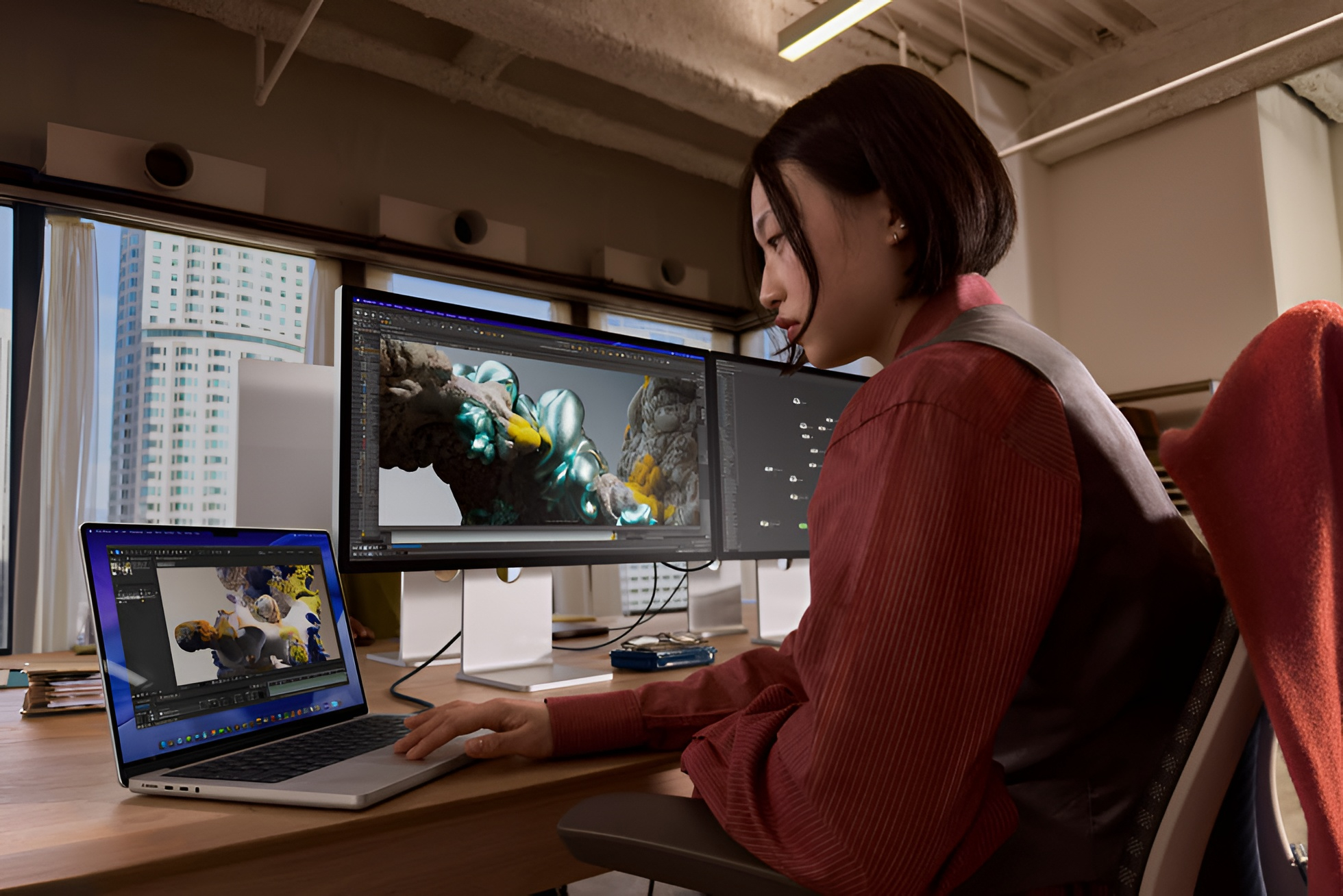
Firmware code reveals what Apple’s marketing materials conveniently omitted: the new Studio Display models pack serious custom silicon upgrades. MacRumors discovered through code analysis that the standard second-generation Studio Display runs on the A19 chip, while the premium Studio Display XDR features the A19 Pro—both processors originally designed for the iPhone 17 series.
Smart Features Get iPhone-Level Processing Power
Your video calls and desk setup just became considerably more intelligent.
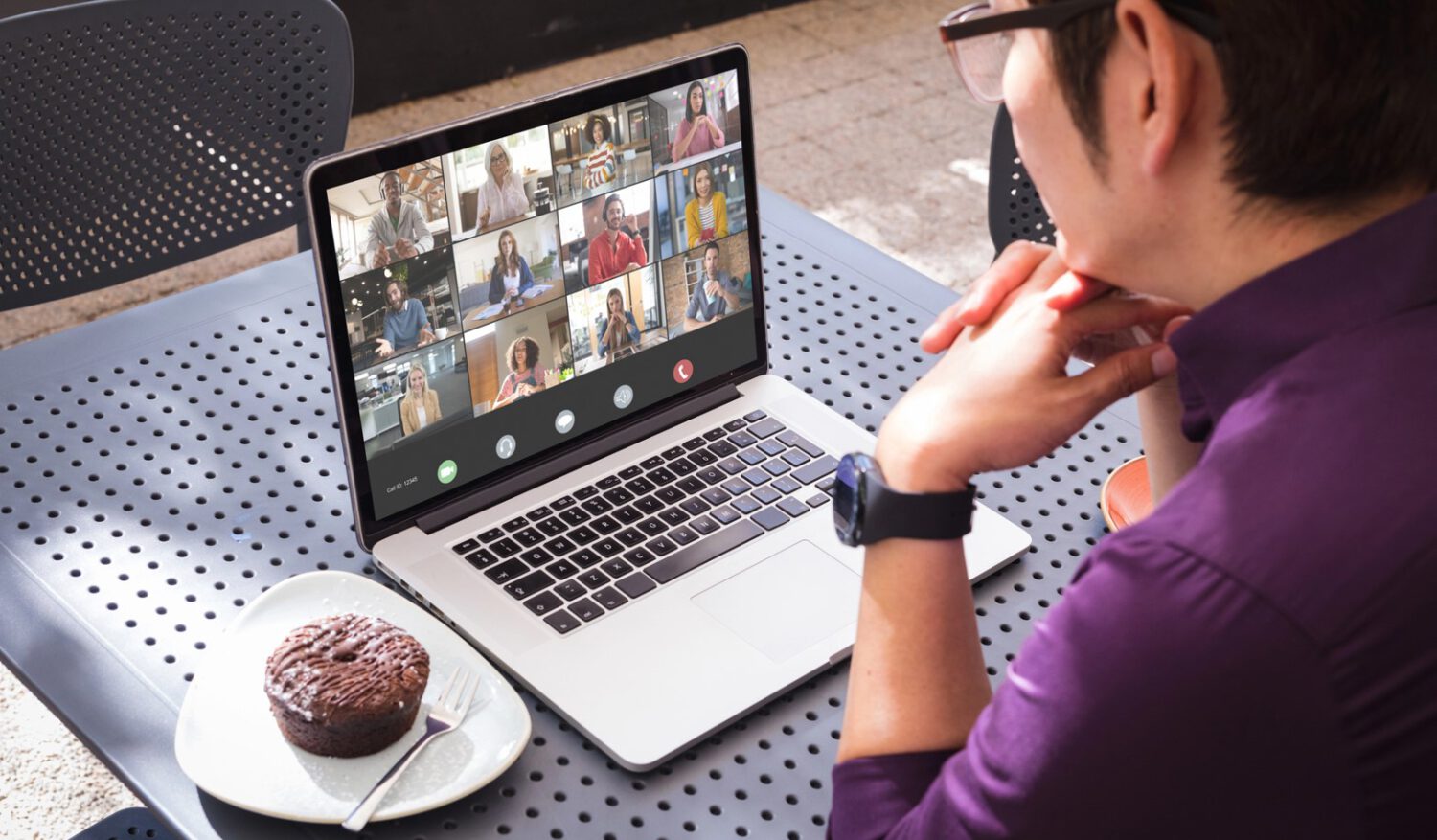
The jump from the original 2022 model’s A13 Bionic to these A19 processors isn’t just about benchmarks—it’s about functionality. That upgraded horsepower drives the new Desk View camera feature, which simultaneously captures your face and provides an overhead view of your workspace. Think of it as having a professional camera operator who never needs coffee breaks.
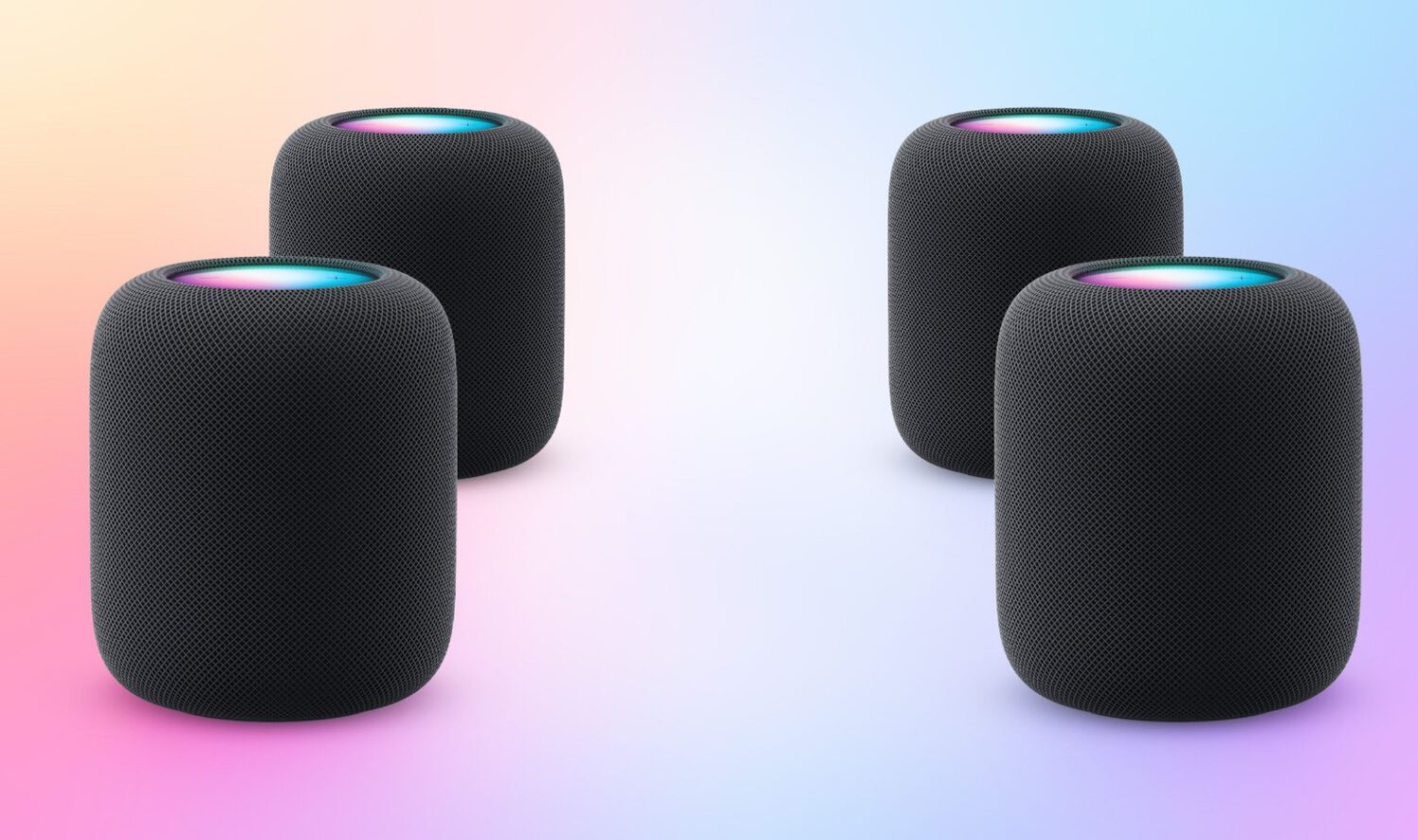
The six-speaker audio system also benefits, delivering 30% deeper bass that transforms your desk into a surprisingly capable media center. These aren’t incremental improvements—they’re the kind of upgrades that change how you work.
Two Displays, Two Different Chip Strategies
Apple’s tiered approach extends beyond screen technology into processing power.
While both models share the same 27-inch 5K Retina foundation, their chip differences hint at distinct use cases. The A19 Pro in the XDR variant supports that model’s mini-LED backlighting with 2,304 zones, 120Hz ProMotion, and peak HDR brightness of 2,000 nits.
Meanwhile, the standard model’s A19 handles the 600-nit display and 60Hz refresh rate with room to spare for Center Stage, Spatial Audio, and Siri integration. Each processor matches its display’s ambitions perfectly.
The Productivity Paradox of Overpowered Displays
These monitors now compute better than most laptops from five years ago.
Your display shouldn’t need iPhone 17-level processing power just to show pixels, yet here we are. The A19 chips enable features that blur the line between monitor and smart device—voice commands, intelligent camera tracking, and audio processing that adapts to your content.
For creative professionals juggling video calls between editing sessions, this computational overkill might actually prove useful. Both models launch March 11, with pre-orders already live for those ready to embrace the era of thinking screens.