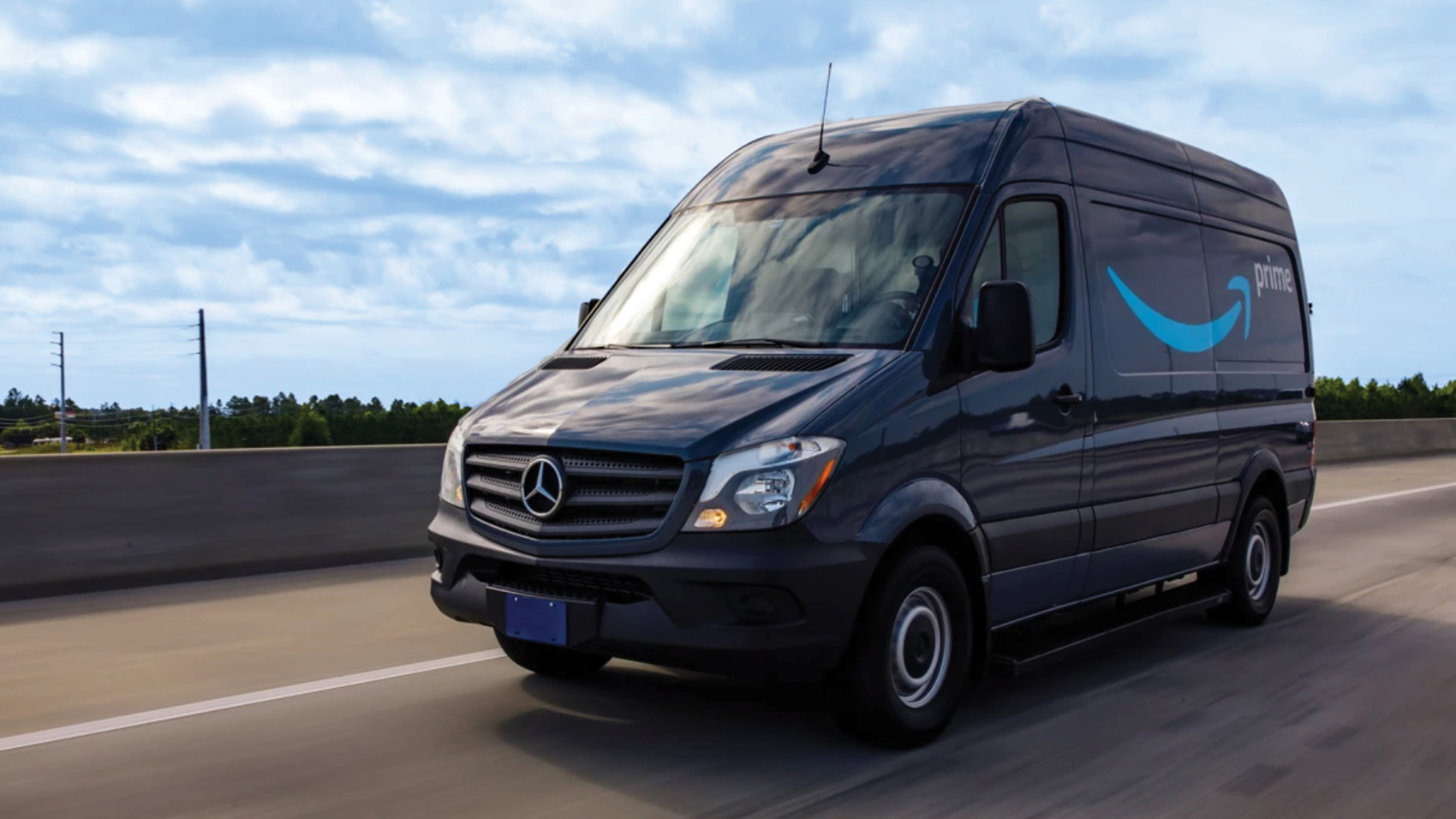
Amazon’s latest software update for its Rivian-built delivery vans was designed to extend air conditioning to keep drivers cool. In practice, the update shuts off AC after 30 seconds whenever the side door stays open—which happens constantly during actual deliveries. The result? Drivers working in triple-digit heat with vans that Amazon describes as staying cool but feel more like “ovens on wheels.”
The Algorithm vs. Reality Gap
Software logic clashes with delivery work patterns.
Amazon claims the update extends climate control for up to 10 minutes after drivers exit their vehicles. But here’s the catch: that timer resets immediately if the sliding side door remains open for more than 30 seconds—a battery conservation measure for the electric fleet.
During dense neighborhood routes, drivers park once and deliver to multiple addresses, keeping that side door open for rapid entries and exits. According to drivers in online forums, “if you are out of your seat for 30 seconds with the side door open, the AC switches off.” By the time they return, the van has already started heating up again.
Creative Problem-Solving
Workers find workarounds for corporate efficiency measures.
Driver frustration has spawned ingenious resistance. Instructional videos now circulate showing how to insert a carabiner into the side-door latch, tricking the sensor into thinking the door is closed. This keeps the AC running continuously—exactly what Amazon’s battery-saving logic was designed to prevent.
One driver demonstrating the hack noted that “those vans get hot as hell” without the workaround. It’s a perfect example of how algorithmic optimization often misses human usage patterns, forcing workers to MacGyver solutions to stay safe.
Corporate Messaging Meets Street Reality
Amazon maintains the update improves driver comfort.
Amazon stands by its messaging that the software change was “intentionally timed ahead of summer to improve driver comfort during the hottest months.” The company emphasizes that “every vehicle bearing the Amazon brand is air-conditioned” and that driver safety remains a priority.
Yet the disconnect between corporate policy and driver experience reflects broader tensions in Amazon’s contractor-heavy delivery network, where Delivery Service Partners don’t always enforce the parent company’s stated standards. Heat-related complaints have followed Amazon through multiple summer seasons, despite policy adjustments and safety proclamations.
This software update reveals how over-the-air vehicle controls can optimize for metrics while missing human needs. As climate change drives more extreme temperatures, the gap between corporate efficiency goals and workplace safety will likely face increasing scrutiny—whether through regulatory pressure or worker organizing efforts focused on the software settings that govern their daily reality.